The Portuguese Communist Party (PCP) has called for the regulation and fixation of fuel prices in response to rising concerns over market speculation. This announcement was made during a press conference held on 17th October 2023, where party representatives highlighted the detrimental effects of fluctuating fuel prices on consumers and businesses alike.
PCP's Position on Fuel Price Regulation
The PCP argues that the current fuel pricing system has led to excessive speculation, harming both the economy and ordinary citizens. The party contends that unregulated prices allow market players to manipulate costs, ultimately pushing consumers towards increasingly unaffordable fuel expenses.
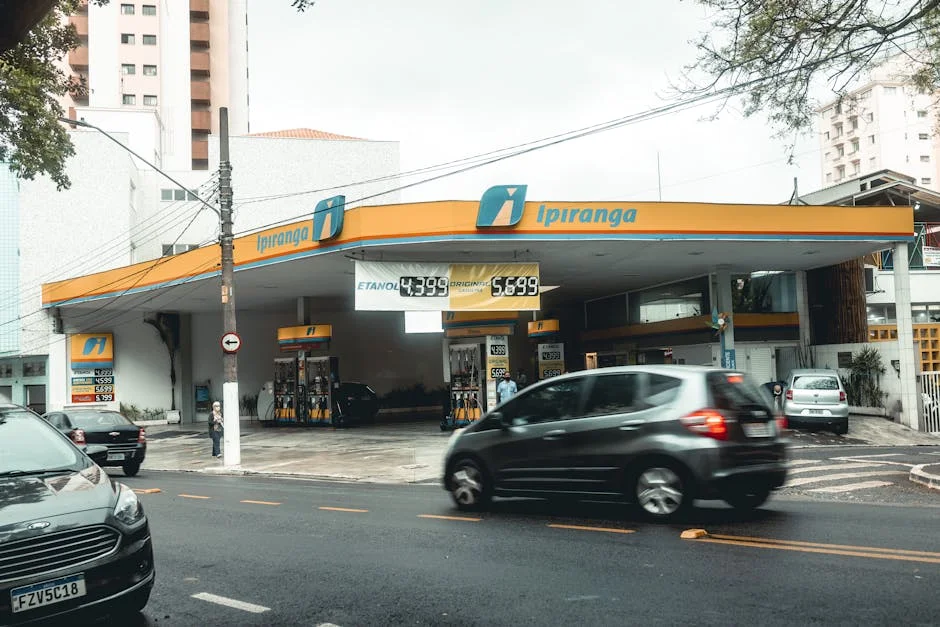
During the press conference, PCP spokesperson Ana Gomes stated, "Without proper regulation, we risk a situation where essential goods become inaccessible to the average family. Immediate action is necessary to protect our citizens from these unjust market practices."
Market Reactions to Fuel Price Regulation Calls


Following the PCP's announcement, the fuel market reacted with uncertainty. Shares of major oil companies saw a slight dip as investors weighed the potential implications of government intervention in pricing. Analysts suggest that while regulation might ease consumer pain, it could also restrict profit margins for fuel distributors.
Investment firms are now closely monitoring developments, anticipating that any concrete measures implemented by the government could reshape the competitive landscape of the energy sector. The prospect of price ceilings raises questions about long-term profitability for companies invested in fossil fuels.
Business Implications of Fuel Price Fixation
For businesses heavily reliant on transportation and logistics, fluctuating fuel prices pose significant operational challenges. Companies in these sectors are bracing for potential changes that could alter their cost structures. The PCP's proposed regulation could provide some relief by stabilising fuel costs.
However, industry experts warn that price fixation might lead to unintended consequences, such as reduced investment in energy infrastructure or the promotion of alternative energy sources. The long-term sustainability of businesses may hinge on how the government balances consumer protection against the need for a healthy market environment.
Economic Consequences of Regulation
The call for fuel price regulation comes amid broader economic challenges in Portugal, including inflationary pressures affecting various sectors. Economists are divided on whether such regulation could effectively mitigate rising costs or inadvertently contribute to a black market.
The government must consider the potential ripple effects of any regulatory measures, especially in relation to international fuel markets. Should Portugal pursue a stringent regulatory approach, it may face backlash from partners within the European Union, complicating trade relationships further.
What to Watch Next
As the PCP's proposal gains traction, key stakeholders, including government officials, industry representatives, and consumer advocacy groups, are expected to engage in discussions regarding the future of fuel pricing in Portugal. The outcome of these deliberations could significantly impact market dynamics and investor confidence.
Ultimately, the effectiveness of any proposed regulation will depend on its implementation and the response from the broader market. Investors and businesses alike should remain vigilant as the situation unfolds, as the future of fuel pricing regulation could have lasting economic repercussions.