Today's unexpected weather conditions in Niagara-on-the-Lake, Ontario, are catching the attention of businesses and investors beyond Canadian borders. With temperatures expected to reach a high of 15°C, which is unusual for this time of year, the impact is being felt in various economic sectors in the UK.
Unseasonal Weather and Its Economic Ripples
The weather in Niagara-on-the-Lake, a picturesque town known for its vineyards, is warmer than the seasonal average, which typically hovers around 5°C in November. This anomaly is not just a local curiosity but is influencing global trade patterns, especially in sectors dependent on Canadian imports.
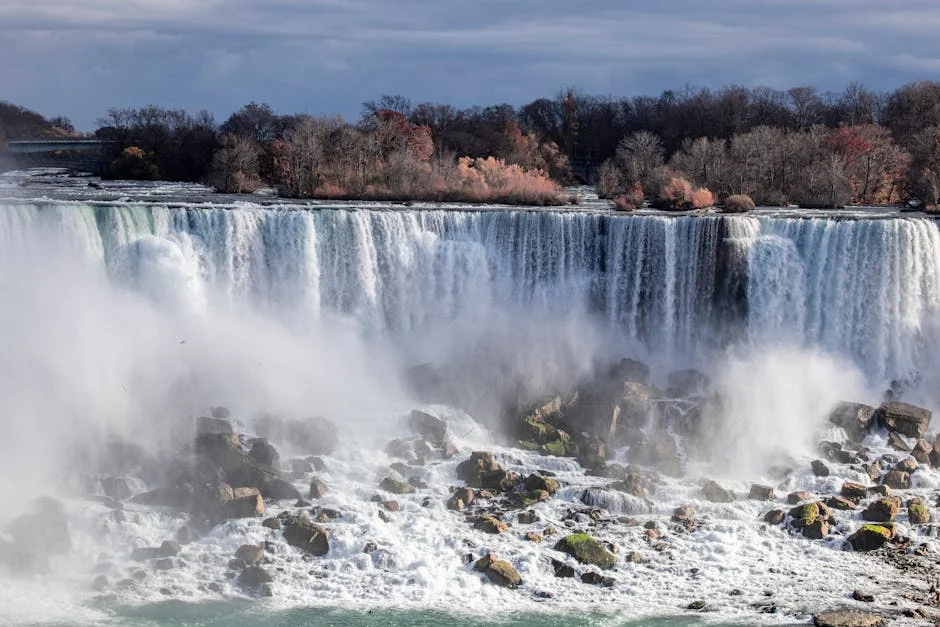
The UK imports a significant amount of agricultural products from Canada, including wine and ice wine from Niagara-on-the-Lake. The warmer climate could potentially affect both the quantity and quality of these products, leading to price fluctuations in the UK market.
Impact on Businesses and Investors


Businesses in the UK are closely monitoring these developments. The supply chain disruptions caused by unseasonal weather may lead to increased costs. For instance, wine importers might face higher prices due to reduced supply or quality variations, impacting consumer prices and profit margins.
Investors are also paying attention to how these weather patterns could influence other commodity markets. The Canadian agricultural sector, a key component of the Toronto Stock Exchange, could experience volatility, which may in turn affect related stocks in the UK.
Why the UK Should Care
Long-term Economic Implications
As climate patterns continue to shift, the UK’s reliance on imports from regions like Niagara-on-the-Lake could lead to increased economic vulnerability. Businesses might need to diversify their supply chains to mitigate risks associated with such environmental changes.
This situation highlights the importance of climate resilience in economic planning. The UK government and businesses are urged to consider climate predictions in their strategic planning to avoid potential economic disruptions.
Next Steps and What to Watch
The coming weeks will be crucial as businesses adjust their strategies to cope with these weather-induced changes. Economic analysts suggest monitoring updates from Canadian agricultural sectors and the Toronto Stock Exchange for any indication of long-term trends.
The UK will need to decide whether to seek alternative suppliers should these weather patterns persist. Additionally, the upcoming climate summits and agreements might play a role in addressing these challenges on a global scale.
See Also
- NPA Files Complaint Against Magistrate Tonjeni in Sibanyoni Case
- Padres' Mason Miller Ends Streak, Sending Ripples Through US Markets
What is the latest news about niagaraonthelake faces unseasonal weather uks economy takes note?
Why does this matter for economy-business?
What are the key facts about niagaraonthelake faces unseasonal weather uks economy takes note?