Venezuela's presidential administration has announced that the country currently maintains full food availability across its major distribution networks. This declaration aims to reassure domestic consumers and international investors that the supply chain remains robust despite ongoing economic volatility. The statement comes at a critical juncture for the South American nation, where inflation and currency fluctuations continue to shape market sentiment.
Government Assertion of Supply Chain Stability
The official announcement emphasizes that supermarkets and local markets in Caracas are well-stocked with essential goods. Authorities point to recent logistical improvements that have reduced the visibility of empty shelves that plagued the capital in previous years. This narrative seeks to counter long-standing perceptions of scarcity that have historically weighed on consumer confidence.
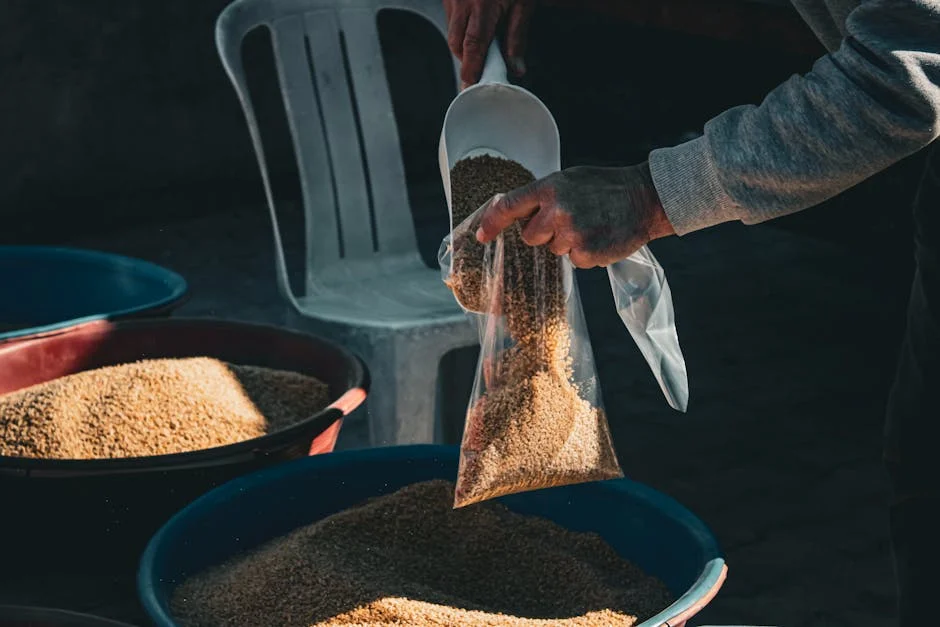
However, the definition of "full supply" remains a point of contention among local economists. While staple items such as rice, flour, and chicken are reportedly available, the variety and quality of imported goods vary significantly by region. The government's focus on basic commodities contrasts with the broader dietary needs of the middle class, who often rely on more diverse imports.
This divergence highlights the complexity of Venezuela's economic recovery efforts. The administration must balance the immediate need for caloric intake for the general population with the desire to restore a more nuanced consumer market. Investors watching the VE latest news are closely monitoring how these supply claims translate into actual purchasing power for the average citizen.
Market Reaction to Official Statements

Financial markets have responded with cautious skepticism to the presidential announcement. The Venezuelan Bolivar has shown minor fluctuations, but no dramatic surge in value has followed the news. Traders in Caracas and Miami-based financial hubs are waiting for concrete data to back up the qualitative claims made by the executive branch.
Stock prices for major retail chains have remained relatively stable, suggesting that institutional investors are not yet ready to bet heavily on an immediate turnaround. The lack of a strong positive reaction indicates that markets view the announcement as a necessary step rather than a definitive solution. This measured response reflects a broader trend of wariness among foreign capital considering entry into the Venezuelan market.
Analysts note that sustained price stability is a more critical indicator of health than mere availability. If goods are available but prices rise faster than wages, the real benefit to the economy is diluted. The crecimiento económico latest news suggests that while production has increased, the distribution of wealth remains uneven, affecting how different sectors of the economy respond to supply changes.
Inflation and Currency Dynamics
Inflation remains the primary threat to the perceived stability of the food supply. Even if shelves are full, the rate at which prices change determines the actual accessibility of these goods for the average Venezuelan. Recent data indicates that while inflation has slowed compared to the hyperinflation peaks of 2018 and 2019, it has not yet reached the single-digit targets set by the Central Bank.
The value of the Bolivar is directly tied to the price of oil and the effectiveness of monetary policy. Any volatility in global oil prices can quickly impact the local currency, which in turn affects the cost of imported food items. This linkage creates a fragile economic environment where external shocks can rapidly alter the domestic landscape.
Investors must consider how currency devaluation affects the real income of consumers. If wages do not keep pace with the cost of living, the "full supply" may remain out of reach for a significant portion of the population. This dynamic limits the potential for a robust consumer-driven recovery, which is essential for broader crecimiento económico news today to show positive trends.
Impact on Small Businesses
Small and medium-sized enterprises (SMEs) are on the front lines of these economic shifts. These businesses often operate with thinner margins and are more sensitive to changes in input costs and consumer spending habits. The current supply situation allows them to stock their shelves, but the cost of doing so remains a significant burden.
Many SMEs rely on a mix of local production and imports to meet customer demand. The reliability of supply chains for imported goods is crucial for maintaining product diversity. Disruptions in logistics or sudden changes in import duties can quickly impact the bottom line for these smaller players, which form the backbone of the non-oil sector.
Investor Perspective on Economic Growth
Foreign investors are evaluating the long-term viability of the Venezuelan market based on these developments. The promise of full food supply is a positive signal, but it is only one piece of a larger puzzle. Investors are looking for structural reforms, property rights protection, and consistent monetary policy to justify significant capital expenditure.
The oil sector continues to dominate foreign direct investment, but there is growing interest in the services and manufacturing sectors. These areas offer diversification benefits and potential for higher growth rates if the domestic consumer market strengthens. Understanding what is crecimiento económico in the Venezuelan context requires looking beyond oil revenues to these emerging sectors.
Due diligence is more critical than ever for those considering entry into the market. Legal frameworks, tax policies, and exchange rate mechanisms all play a role in determining the actual return on investment. The current announcement adds a layer of optimism, but it does not eliminate the inherent risks associated with investing in a transitioning economy.
Regional and International Context
Venezuela's economic health has implications for its neighbors and broader regional stability. Trade flows with Colombia and Brazil are significant, and any improvement in Venezuelan purchasing power can boost exports from these countries. Conversely, continued economic strain in Caracas can lead to increased migration and trade imbalances.
International organizations are also watching these developments closely. The International Monetary Fund and the World Bank are assessing the effectiveness of Venezuela's recent policy adjustments. Their reports and potential loan packages could provide additional liquidity and credibility to the Venezuelan economy, further influencing market perceptions.
The geopolitical landscape also plays a role. Relations with the United States and the European Union affect sanctions and trade preferences. Any easing of sanctions can unlock frozen assets and facilitate smoother financial transactions, which are essential for sustaining the current level of food supply and economic activity. The VE general update must account for these external political factors.
Business Implications for Retail and Logistics
The retail sector is directly benefiting from the improved availability of goods. Supermarket chains are reporting higher foot traffic and increased sales volumes. This trend is encouraging for logistics companies, which are seeing higher utilization rates for their transportation and warehousing assets. The efficiency of these supply chains is a key indicator of operational health.
However, businesses must remain agile to adapt to potential changes in consumer behavior. As prices adjust and wages evolve, the mix of products demanded by consumers may shift. Retailers need to optimize their inventory management to minimize waste and maximize turnover. This requires sophisticated data analytics and close collaboration with suppliers.
Logistics providers face their own set of challenges, including infrastructure maintenance and fuel costs. The condition of roads and ports directly impacts the speed and cost of moving goods from production sites to consumer markets. Continued investment in infrastructure is essential to sustain the current levels of supply efficiency and support long-term growth.
Future Outlook and Key Indicators
Looking ahead, the sustainability of the current food supply situation will depend on several key factors. Continued stability in oil prices, effective monetary policy, and ongoing structural reforms are all critical. Investors and businesses should monitor these indicators closely to gauge the true health of the Venezuelan economy.
The next few months will be crucial for confirming whether the current improvements are temporary or part of a longer-term trend. Regular data releases on inflation, currency valuation, and consumer spending will provide valuable insights. Stakeholders should prepare for potential volatility while keeping an eye on the broader trajectory of what is VE economic performance.
Regulatory changes, particularly in the tax and trade sectors, will also shape the business environment. Companies need to stay informed about policy updates to adjust their strategies accordingly. The ability to adapt to changing conditions will be a key differentiator for businesses operating in Venezuela.
Readers and investors should watch for the release of the next quarterly inflation report and any announcements regarding oil production targets. These data points will provide concrete evidence of whether the government's claims of full supply are translating into broader economic stability. The coming fiscal year will be a critical test for the resilience of the Venezuelan market.
See Also
- EMPD Seizes Kidnapper After High-Speed Chase in Johannesburg — Victim Rescued
- Bulls Captain Marcell Coetzee Warns Off-Field Drama Could Fuel On-Field Desperation
The efficiency of these supply chains is a key indicator of operational health. Future Outlook and Key Indicators Looking ahead, the sustainability of the current food supply situation will depend on several key factors.