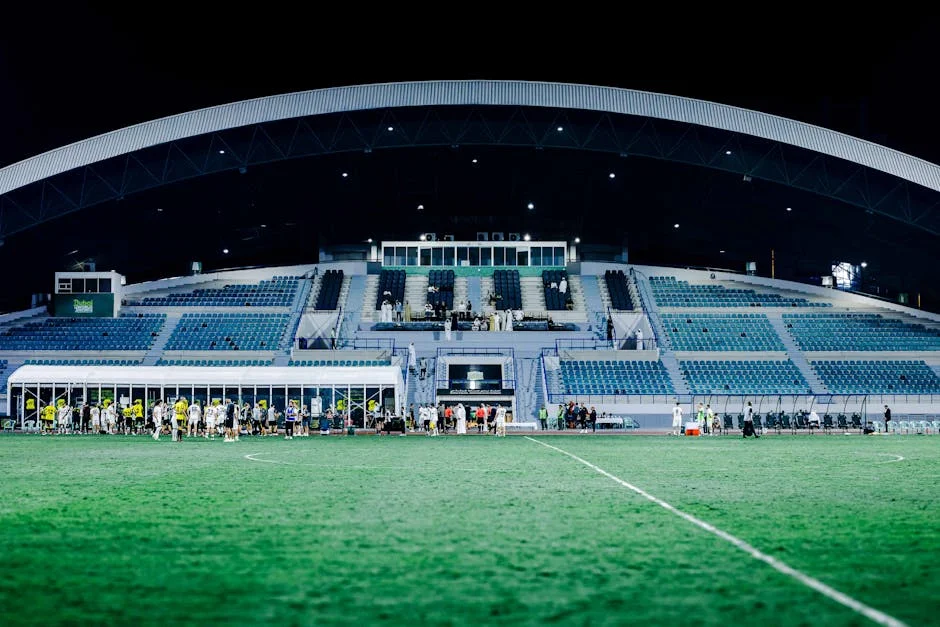
The European Football Association has officially confirmed the host city and date for the 2026 Europa Conference League final, sending immediate ripples through the European hospitality and travel markets. This announcement locks in a major economic event for the host nation, promising a significant injection of capital into local businesses ranging from hotels to transport providers. Investors are already adjusting their portfolios in sectors expected to benefit from the influx of tens of thousands of visitors.
Official Announcement Details
UEFA released the formal confirmation this week, specifying that the 2026 final will take place in Budapest, Hungary. The match is scheduled for 28 May 2026, with a kick-off time set for 18:00 local time at the iconic Puskás Aréna. This venue, which previously hosted the 2023 final, remains a preferred choice for UEFA due to its modern facilities and central location within the capital city. The decision provides certainty for ticket holders, sponsors, and local authorities who have been planning logistics for months.

The selection of Budapest is not merely a sporting decision but a strategic economic move. The city has established itself as a reliable host for major European events, offering robust infrastructure and a welcoming business environment. This confirmation allows local enterprises to finalize their marketing campaigns and inventory purchases well in advance of the event. The clarity provided by UEFA helps reduce uncertainty, which is a key factor in driving consumer confidence and spending.
Economic Impact on the Host City


The economic implications of hosting the final are substantial for Budapest. Historical data from previous finals suggests that the host city can expect a revenue boost of approximately €50 million across various sectors. This includes direct spending on accommodation, dining, and entertainment, as well as indirect benefits such as increased tax revenues and job creation. Local businesses are already preparing to capitalize on this opportunity, with many launching special packages aimed at international visitors.
The hospitality sector stands to gain the most from the event. Hotels in the city center are expected to see occupancy rates soar to near capacity in the week leading up to the match. This surge in demand allows hotels to implement dynamic pricing strategies, potentially increasing average daily rates by 20-30% compared to a typical late-May week. Restaurants and bars are also anticipating a significant uptick in foot traffic, with many extending their operating hours to accommodate fans from across Europe.
Transport and Infrastructure Benefits
Beyond hospitality, the transport sector will experience a notable increase in revenue. The Budapest-Belgrade railway line and Budapest Ferenc Liszt International Airport are key entry points for visitors, and both are expected to see higher passenger numbers. Local transport providers, including bus and tram operators, are planning to increase service frequency to handle the influx of fans traveling to the Puskás Aréna. This increased usage translates directly into higher ticket sales and advertising revenue for transport companies.
Infrastructure improvements initiated in preparation for the final also offer long-term economic benefits. Investments in road networks, public transport links, and digital connectivity will enhance the city's attractiveness to future investors and tourists. These upgrades are part of a broader strategy to position Budapest as a premier destination for major sporting and cultural events, thereby sustaining economic growth beyond the immediate impact of the 2026 final.
Market Reactions and Investment Opportunities
Financial markets have responded positively to the confirmation. Stocks of local hospitality companies and transport operators have seen modest gains, reflecting investor confidence in the upcoming revenue streams. Analysts suggest that the certainty provided by the announcement reduces risk premiums, making these sectors more attractive to both domestic and international investors. This positive market reaction underscores the broader economic value of major sporting events.
Investors are also looking at the broader economic landscape of Hungary. The country's stable political environment and growing economy make it an appealing destination for foreign direct investment. The success of the 2026 final could serve as a catalyst for further investment in the tourism and infrastructure sectors. Companies operating in these industries are likely to benefit from increased visibility and improved market access, enhancing their long-term growth prospects.
Business Implications for Local Enterprises
For local businesses, the final presents a unique opportunity to showcase their products and services to a global audience. Small and medium-sized enterprises (SMEs) are encouraged to leverage the event to build brand awareness and establish new customer relationships. Many local businesses are collaborating with tourism boards to create integrated marketing campaigns that highlight the city's unique offerings, from its rich history to its vibrant cultural scene.
The event also drives demand for specialized services, such as event management, security, and catering. Local companies providing these services are seeing an increase in contracts and partnerships with international firms. This collaboration not only generates immediate revenue but also facilitates knowledge transfer and skill development within the local workforce. These enhancements in human capital contribute to the long-term competitiveness of the local economy.
Challenges and Considerations
Despite the economic benefits, hosting the final also presents challenges. One major concern is the potential for inflationary pressures in the short term. The surge in demand for goods and services could lead to price increases, affecting both visitors and local residents. Businesses need to manage their supply chains effectively to ensure that price hikes do not deter consumers. Transparent communication about pricing strategies can help maintain customer satisfaction and trust.
Another challenge is the need for efficient crowd management and security. The influx of thousands of fans requires coordinated efforts from local authorities, police, and transport operators. Any logistical failures could negatively impact the visitor experience and the city's reputation. Investing in smart city technologies and data analytics can help authorities monitor and manage crowd movements in real-time, ensuring a smooth and enjoyable event for all attendees.
Long-Term Economic Outlook
The 2026 Conference League final is more than just a one-off event; it is a strategic investment in Budapest's long-term economic vitality. The visibility gained from hosting the final can attract future events, conferences, and tourists, creating a virtuous cycle of economic growth. The infrastructure improvements and brand enhancement achieved through the event will continue to yield benefits for years to come.
Furthermore, the event contributes to the diversification of the local economy. While Budapest has a strong industrial base, the tourism and hospitality sectors are becoming increasingly important. The final reinforces the city's status as a key player in the European tourism market, reducing its reliance on traditional industries and enhancing its economic resilience. This diversification is crucial for sustaining long-term growth and stability.
What to Watch Next
As the date approaches, stakeholders should monitor the release of detailed attendance forecasts and spending patterns from UEFA and local tourism boards. These data points will provide valuable insights into the actual economic impact and help businesses refine their strategies. Additionally, investors should keep an eye on quarterly earnings reports from key hospitality and transport companies to gauge the early effects of the event on their financial performance. The final week of May 2026 will be a critical period for assessing the success of the economic strategies implemented by the host city.
Frequently Asked Questions
What is the latest news about uefa confirms 2026 conference league final venue and date?
The European Football Association has officially confirmed the host city and date for the 2026 Europa Conference League final, sending immediate ripples through the European hospitality and travel markets.
Why does this matter for technology?
Investors are already adjusting their portfolios in sectors expected to benefit from the influx of tens of thousands of visitors.
What are the key facts about uefa confirms 2026 conference league final venue and date?
The match is scheduled for 28 May 2026, with a kick-off time set for 18:00 local time at the iconic Puskás Aréna.