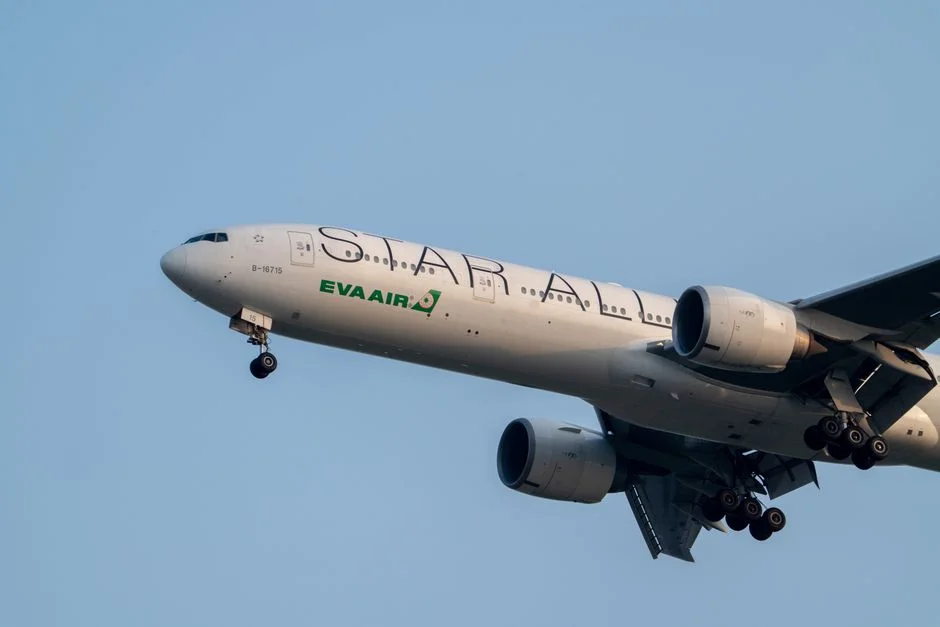
China has formally confirmed its commitment to purchase 200 aircraft from American manufacturer Boeing, sending a wave of optimism through global equity markets. This strategic procurement deal provides immediate relief to the aerospace giant, which has faced intense scrutiny over quality control and supply chain disruptions. The announcement signals a tentative thaw in commercial aviation trade between Washington and Beijing.
Immediate Market Reaction and Investor Sentiment
Wall Street responded swiftly to the news, with Boeing shares climbing sharply in early trading sessions. Investors are interpreting the deal as a validation of Boeing’s recovery plan following the grounding of the 737 MAX fleet. The stock price surged past key resistance levels, outperforming the broader Dow Jones Industrial Average. This momentum suggests that institutional investors are beginning to price in a stabilized revenue stream from Asia.
The broader market also showed signs of relief, particularly in the industrial sector. Analysts note that a confirmed order of this magnitude reduces uncertainty regarding Boeing’s backlog. However, caution remains as traders assess whether this is a one-off diplomatic concession or the start of a larger trend. The volatility in aerospace stocks has been a persistent feature of recent trading days.
Economic Impact on UK and European Businesses


While the deal is primarily between the US and China, the ripple effects extend to the UK and Europe. British suppliers involved in the Boeing supply chain, particularly in engine components and avionics, stand to benefit. Companies in the Midlands and the North West of England are key players in the aerospace ecosystem. Increased production lines in Seattle and Washington state will likely drive up demand for British-made precision parts.
Supply Chain Implications for UK Manufacturers
The integration of UK-based suppliers into the Boeing ecosystem means that a 200-plane order translates to hundreds of millions of pounds in revenue for British firms. Rolls-Royce and GKN Aerospace are among the beneficiaries, though the direct financial impact varies by component. The stability of the Pound Sterling may also see a modest boost as investor confidence in the European aerospace sector improves. This interconnectedness highlights the global nature of modern manufacturing.
Strategic Shift in US-China Trade Relations
This agreement represents a significant diplomatic maneuver by both nations. For the United States, it serves as a tangible win in the ongoing trade negotiations. The purchase helps offset some of the tariff burdens imposed on American goods entering the Chinese market. For Beijing, securing access to the latest Boeing technology ensures that its airlines remain competitive against Airbus. The deal underscores the complexity of decoupling the two economic superpowers.
Trade officials in Washington have praised the move as a sign of pragmatism. The agreement includes provisions for after-sales service and maintenance, which will generate long-term revenue for Boeing. This is crucial for the company’s balance sheet, which has been strained by pension liabilities and lease payments. The strategic alignment of interests in the aviation sector may pave the way for further cooperation in other industries.
Boeing’s Operational Challenges and Recovery
Boeing faces considerable operational hurdles in fulfilling this order. The company must ramp up production rates for the 737 MAX and the 787 Dreamliner. Quality control remains a top priority, given the reputational damage from recent incidents. The firm has invested heavily in its supply chain resilience to avoid the bottlenecks that plagued deliveries in 2023. Management has pledged to maintain strict oversight of manufacturing processes in Renton and Everett.
The labour force at Boeing’s main plants is also a critical factor. Union negotiations have been intense, with workers demanding better wages and working conditions. Any disruption in the workforce could delay deliveries and frustrate Chinese buyers. Boeing’s leadership has emphasized the need for collaboration between management and the International Association of Machinists. The success of this deal depends on executing the production schedule with minimal friction.
Competitive Landscape: Airbus and the Global Market
Airbus, the European rival, is closely watching the development. The French-German consortium has been aggressively expanding its presence in Asia. This Boeing deal may prompt Airbus to offer more competitive financing packages to Chinese airlines. The competition between these two giants drives innovation and keeps prices in check for carriers. UK-based Airbus facilities in Filton and Broughton will also feel the competitive pressure.
The global aviation market is recovering from the pandemic-induced slump. Demand for air travel is surging, particularly in the Asia-Pacific region. Airlines are looking to modernize their fleets to improve fuel efficiency and passenger comfort. Boeing’s ability to deliver on this 200-plane order will influence its market share against Airbus. Investors are keen to see how this competition shapes the next decade of aviation growth.
Long-Term Investment Perspectives
For long-term investors, this deal offers a glimpse into Boeing’s future cash flows. The confirmation of 200 planes provides visibility into revenue for the next three to five years. This stability is attractive to dividend-focused investors who have been hesitant to commit capital to Boeing. The company’s share buyback programs may also be bolstered by the improved financial outlook. However, risks remain related to regulatory approvals and potential geopolitical shifts.
The broader economic context also plays a role. Interest rates in the US and Europe affect the cost of capital for airlines. Lower rates make leasing and purchasing new aircraft more affordable. This environment supports the demand for new planes. Investors should monitor the Federal Reserve’s monetary policy decisions as they directly impact the aviation sector. The interplay between macroeconomic factors and company-specific news will define Boeing’s trajectory.
What to Watch Next
The next critical milestone is the signing of the final purchase agreement, expected in the coming months. This document will detail the pricing, delivery schedules, and payment terms. Investors should also monitor Boeing’s quarterly earnings reports for updates on production rates. Any delays in the 737 MAX assembly line could impact the timeline for the Chinese orders. Keeping an eye on regulatory approvals from the Federal Aviation Administration is also essential. The market will react sharply to any changes in the delivery forecast.
See Also
- Envigado FC Aims for BetPlay Title — What It Means for Investors
- Nicola Sturgeon Claims Innocence — Implications for Scotland's Political Stability
Investors should monitor the Federal Reserve’s monetary policy decisions as they directly impact the aviation sector. What to Watch Next The next critical milestone is the signing of the final purchase agreement, expected in the coming months.
What is the latest news about china confirms 200 boeing purchase markets react?
Why does this matter for politics?
What are the key facts about china confirms 200 boeing purchase markets react?