The Democratic Republic of the Congo faces a fresh wave of Ebola infections, sending ripples through regional markets and global supply chains. Investors are already adjusting portfolios as the World Health Organization warns that pathogens, not just political conflicts, drive economic instability in Central Africa. This health crisis threatens to disrupt mining operations and agricultural exports, key pillars of the nation’s recovering economy.
Market Reaction to Health Crisis
Financial markets responded swiftly to the announcement of new cases in the North Kivu province. Investors view the Democratic Republic of the Congo as a high-beta asset, where health shocks translate quickly into currency volatility and commodity price fluctuations. The Congolese franc weakened against the US dollar within hours of the initial reports, reflecting immediate confidence drains among foreign holders.

Global investors monitor these developments closely because the DRC holds vast reserves of cobalt and copper, essential for the global electric vehicle battery supply chain. Any disruption in mining logistics due to quarantine measures or hospital bed shortages can create bottlenecks that ripple through international manufacturing sectors. The fear of supply chain fragmentation drives up insurance premiums for logistics firms operating in the region.
Analysts note that the economic cost of an Ebola outbreak extends far beyond direct healthcare spending. The disruption to labor mobility affects productivity in both the formal and informal sectors. Small and medium-sized enterprises in Goma and Bukavu report early signs of consumer spending contraction as households prioritize health expenditures over durable goods.
Supply Chain Vulnerabilities Exposed
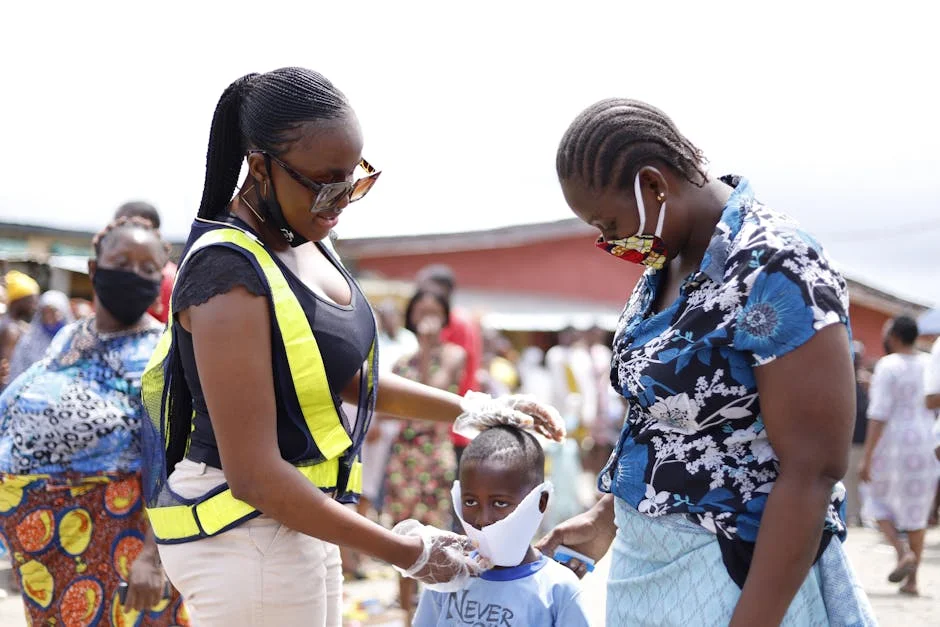
The mining sector remains the most exposed industry to the health shock. Major mining houses have begun implementing stringent testing protocols for workers, which increases operational costs and potentially slows down extraction rates. These added costs are likely to be passed on to global consumers through higher metal prices in the coming quarters.
Logistics and Transport Disruptions
Road networks connecting the mining hubs to ports in the Republic of the Congo and Tanzania are critical arteries for exports. Health checkpoints introduced to contain the virus can cause significant delays, increasing the cost of freight. Trucking companies face higher fuel consumption and driver fatigue, which directly impacts the efficiency of the entire export pipeline.
Agricultural exports also face uncertainty. The DRC is a growing exporter of coffee and cocoa, commodities sensitive to labor availability. If rural health centers become overwhelmed, migration patterns shift, and harvest seasons may be missed. This could lead to a tighter global supply of Congolese coffee, affecting prices in European and American markets.
Economic Implications for Local Businesses
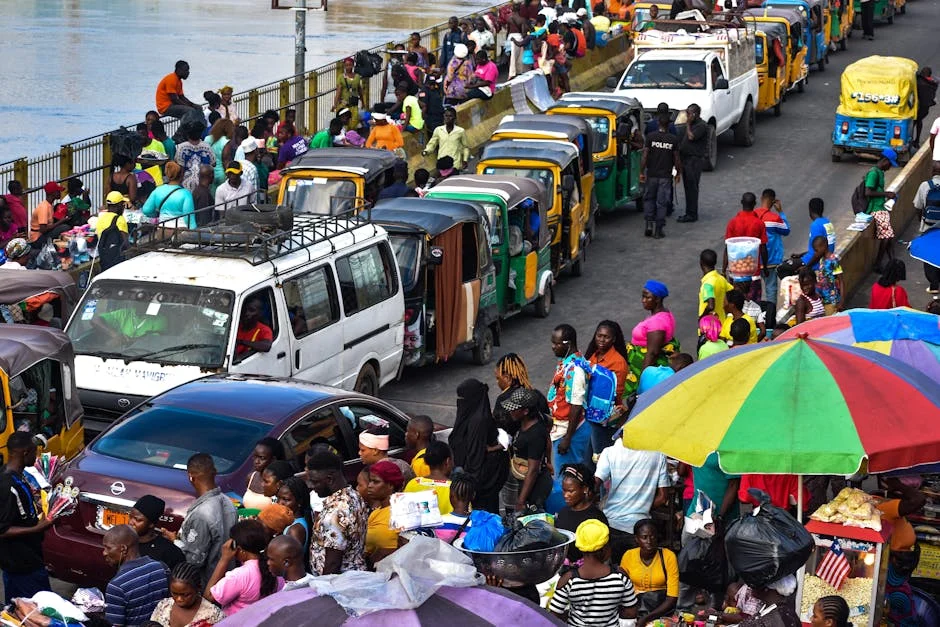
Local businesses in the Democratic Republic of the Congo are bracing for a downturn in consumer confidence. Retailers in urban centers like Kinshasa report a decline in footfall as commuters avoid crowded markets and public transport. This behavioral shift reduces revenue for small vendors who operate on thin profit margins and have limited cash reserves.
The service sector, including hospitality and tourism, faces a double blow from health fears and regional travel restrictions. Hotels in Goma, which rely on international aid workers and tourists, see occupancy rates drop. This decline affects ancillary businesses such as restaurants, taxi services, and local guides, creating a multiplier effect on local unemployment.
Foreign direct investment flows may slow as companies reassess the risk-reward profile of operating in the region. While the long-term potential of the DRC’s mineral wealth remains attractive, short-term volatility deters new entrants. Existing investors may delay expansion plans until the health situation stabilizes, impacting job creation and local economic growth.
Global Health and Economic Interconnectedness
The World Health Organization emphasizes that health security is a cornerstone of economic stability. The recent outbreak in the DRC serves as a reminder that pathogens ignore borders and can quickly escalate into regional economic crises. International financial institutions are monitoring the situation to assess the need for emergency funding to support the DRC’s fiscal position.
The UK and other major economies have a stake in the stability of the DRC due to trade links and investment exposures. British companies involved in mining, energy, and infrastructure may face operational challenges if the outbreak spreads. This highlights the interconnectedness of global markets and the need for robust health infrastructure in emerging economies.
The economic impact of the Ebola outbreak is not limited to the DRC. Regional trade partners, including Rwanda and Uganda, may see increased import costs and labor shortages. This regional spillover effect can dampen growth across East and Central Africa, affecting the broader economic outlook for the continent.
Investor Strategy and Risk Management
Investors should consider hedging strategies to mitigate the risks associated with the DRC health crisis. Diversification across different sectors and geographies can help absorb the shock of commodity price fluctuations. Monitoring health indicators and government responses is crucial for making informed investment decisions in the region.
Corporate treasurers may look to lock in currency exchange rates to protect against further depreciation of the Congolese franc. This proactive approach can help stabilize cash flows and reduce uncertainty in financial planning. Companies with significant exposure to the DRC should also review their insurance coverage to ensure adequate protection against business interruption.
The financial sector in the DRC faces increased credit risk as businesses struggle with cash flow constraints. Banks may tighten lending criteria, making it more difficult for small enterprises to secure financing. This credit crunch can exacerbate the economic downturn, leading to higher default rates and potential write-offs for financial institutions.
Policy Responses and Fiscal Measures
The government of the Democratic Republic of the Congo is likely to introduce fiscal measures to cushion the economic impact of the outbreak. These may include tax breaks for key industries, subsidies for healthcare, and direct cash transfers to vulnerable households. The effectiveness of these measures will depend on the speed of implementation and the availability of fiscal space.
International donors and financial institutions are expected to provide additional support to the DRC. This support may come in the form of grants, loans, and debt relief to help the country manage its fiscal burden. The World Bank and the International Monetary Fund are likely to play key roles in coordinating the international response.
Policy coordination between health and economic ministries is essential for an effective response. Integrating health data into economic forecasting models can help policymakers anticipate the impact of the outbreak on key economic indicators. This data-driven approach can inform more targeted and timely interventions to mitigate the economic damage.
Long-Term Economic Outlook
The long-term economic outlook for the DRC depends on the effectiveness of the health response and the resilience of key sectors. If the outbreak is contained quickly, the economic impact may be limited to a temporary slowdown. However, a prolonged crisis could lead to more structural damage, including capital flight and reduced foreign investment.
The DRC has the potential to emerge stronger from this crisis if it leverages the experience to improve its health infrastructure and economic diversification. Investing in healthcare can boost productivity and attract more foreign investment, creating a positive feedback loop for economic growth. This requires political will and sustained commitment to reform.
Global investors should watch for signs of stabilization in the DRC’s health and economic indicators. A decline in new cases, improved healthcare capacity, and stable commodity prices would signal a return to normalcy. These positive developments would likely trigger a rebound in investor confidence and a recovery in asset prices.
Monitor the World Health Organization’s weekly bulletins for updated case counts and mortality rates. Also, track the Congolese franc’s exchange rate and copper futures prices as real-time indicators of market sentiment. The next quarter’s economic data will provide crucial insights into the depth and duration of the economic impact of this health crisis.
See Also
- Universal Insurance Launches N3.2bn Rights Issue to Boost Capital
- Cândido Mota’s Death Shakes Portugal’s Media Legacy
Integrating health data into economic forecasting models can help policymakers anticipate the impact of the outbreak on key economic indicators. This highlights the interconnectedness of global markets and the need for robust health infrastructure in emerging economies.
What is the latest news about drc ebola outbreak triggers market jitters investors eye supply chains?
Why does this matter for science?
What are the key facts about drc ebola outbreak triggers market jitters investors eye supply chains?