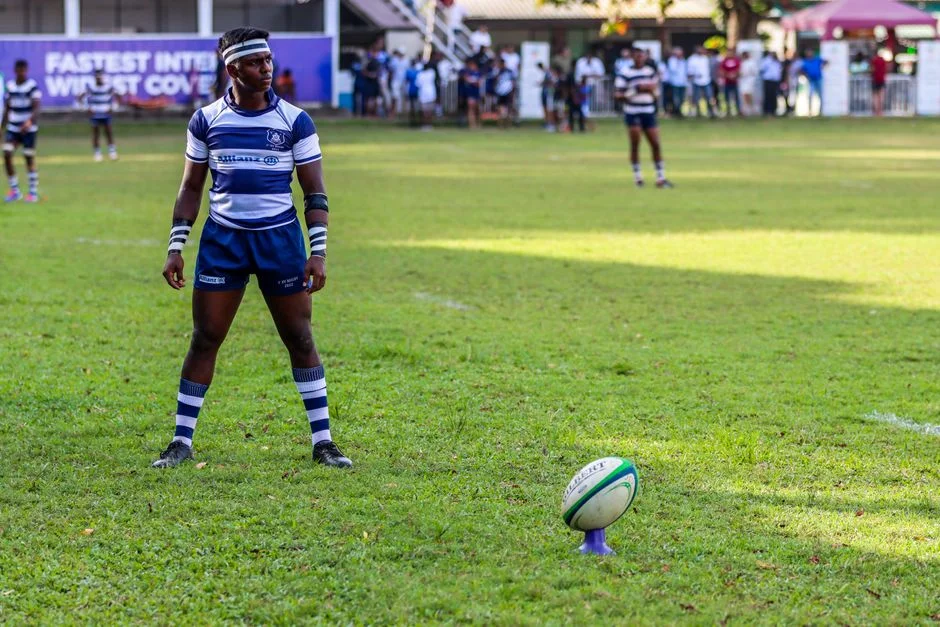
Lionel Messi’s brief exit from the pitch against the Philadelphia Union sent ripples through financial circles far beyond South Florida. While Luis Suarez secured a hat-trick to seal the victory, the economic implications of a potential injury to the club’s primary revenue driver are now under intense scrutiny.
Investors and local business owners in Miami are closely monitoring the situation, knowing that Messi’s health directly correlates with ticket sales, merchandise revenue, and broader tourism figures. The match itself drew significant attention, but the post-game analysis has shifted rapidly from sporting statistics to financial exposure.
Financial Exposure of the Messi Effect
The economic model of Inter Miami CF relies heavily on the global appeal of its star player. Messi’s presence has transformed the club from a mid-table MLS contender into a global brand, driving revenue streams that extend well beyond the pitch. Analysts estimate that a single home game can generate over $10 million in direct and indirect economic activity for the Miami metropolitan area.
A serious injury to Messi could disrupt this fragile economic ecosystem. Merchandise sales, which have surged by over 40% since his arrival, could see a sharp correction if his availability becomes uncertain. Local retailers in Brickell and surrounding districts, who have stocked up on jerseys and branded apparel, face inventory risks if consumer confidence wanes.
Furthermore, the club’s valuation, which has climbed significantly in recent quarters, is tied to on-field performance and star power. A prolonged absence could impact sponsorship deals and media rights negotiations, creating uncertainty for investors who have poured capital into the franchise. The market is now pricing in the risk of a "Messi dependency" that could leave the club vulnerable to a single point of failure.
Local Business Impacts in Miami


Tourism and Hospitality Revenue
The hospitality sector in Miami has benefited immensely from the influx of fans traveling to watch Messi play. Hotels near Hard Rock Stadium have reported occupancy rates nearing 90% on match days, with average daily rates increasing by 25% compared to pre-Messi seasons. This surge in tourism has provided a much-needed boost to local economies, particularly in smaller businesses that rely on transient visitors.
However, the sustainability of this boom is questioned if Messi’s health falters. Travel agencies and booking platforms are already seeing fluctuations in reservation patterns for upcoming match days. A confirmed injury could lead to last-minute cancellations, impacting hotels, restaurants, and transportation services that have scaled their operations to meet the increased demand.
Local business owners in Fort Lauderdale and Miami Beach have noted the direct correlation between Messi’s form and their bottom line. A slump or injury could lead to a quick retreat of the "Messi tourists," leaving businesses with fixed costs and variable revenues. This volatility presents a challenge for long-term planning and investment in the local hospitality sector.
Retail and Merchandise Markets
The retail landscape in Miami has also adapted to the Messi phenomenon. Specialty stores and general retailers have expanded their inventory to include a wide range of Messi-branded merchandise. This includes jerseys, accessories, and even home goods, reflecting the depth of consumer engagement with the player’s brand. The success of these products has encouraged further investment in retail spaces dedicated to sports memorabilia.
Yet, this expansion carries inherent risks. If Messi’s playing time is reduced due to injury, the appeal of these products may diminish, leading to potential overstock and discounting. Retailers must balance the opportunity for high margins with the risk of inventory obsolescence. This dynamic requires agile supply chain management and a keen understanding of consumer sentiment.
Investors in the retail sector are watching closely to see how quickly consumer interest can fade. The Messi brand is powerful, but it is also personal. Any perception that his best days are behind him could accelerate a shift in consumer spending habits. This could have broader implications for the sports retail market in South Florida.
Market Reactions and Investor Sentiment
Financial markets are sensitive to news affecting major sports franchises. The injury scare involving Messi triggered a brief period of volatility in the stock prices of companies with significant exposure to the MLS and Miami’s economy. Investors are reassessing the risk profile of holdings tied to the club and the broader local economy. This reaction underscores the interconnectedness of sports and finance.
Institutional investors, in particular, are evaluating the long-term sustainability of the Messi-driven growth model. While the immediate financial gains have been substantial, the dependency on a single player introduces a level of risk that may not be fully priced in. This has led to increased hedging activities and a more cautious approach to new investments in the sector.
The reaction also highlights the role of media in shaping investor sentiment. Negative headlines regarding Messi’s health can have an outsized impact on market perceptions, even before concrete financial data is available. This creates a feedback loop where market movements can influence business decisions, further amplifying the economic impact of the injury.
Strategic Implications for Inter Miami
Inter Miami’s front office must now navigate the strategic implications of Messi’s injury. This includes managing player contracts, planning for potential replacements, and communicating effectively with stakeholders. The club’s ability to mitigate the economic impact will depend on its strategic agility and the depth of its roster. This is a critical test of the club’s long-term planning.
One key strategy may involve diversifying revenue streams to reduce reliance on Messi’s individual performance. This could include expanding digital content offerings, enhancing fan engagement initiatives, and securing long-term sponsorship deals that are less sensitive to short-term on-field fluctuations. These efforts will be crucial in stabilizing the club’s financial position.
Additionally, the club may need to adjust its marketing strategies to maintain consumer interest during Messi’s absence. This could involve highlighting other star players, such as Luis Suarez, or focusing on the team’s overall narrative and potential for growth. Effective communication will be essential in managing expectations and maintaining brand equity.
Broader Economic Context
The Messi situation reflects broader trends in the global sports economy. The increasing commercialization of sports has led to greater financial exposure to individual star players. This trend is evident in leagues around the world, where the departure or injury of a key player can have significant economic repercussions. Understanding these dynamics is crucial for businesses and investors operating in the sports sector.
South Florida, in particular, is undergoing a rapid economic transformation driven by sports and entertainment. The arrival of Messi has accelerated this process, attracting investment and boosting local businesses. However, it has also exposed the region to new risks and vulnerabilities. The ability to manage these risks will be a key determinant of the region’s long-term economic health.
The situation also highlights the importance of resilience in local economies. While the Messi effect has been powerful, it is not the only factor driving economic growth in Miami. Diversification across sectors and a strong foundation in other industries will be essential in ensuring sustained prosperity. This broader context is important for policymakers and business leaders alike.
Future Outlook and Key Indicators
The coming weeks will be critical in determining the long-term impact of Messi’s injury. Investors and businesses will be watching for updates on his health, as well as performance metrics for the team. These indicators will provide valuable insights into the potential economic consequences and help inform decision-making. The market will react swiftly to any new information.
Key dates to watch include the next scheduled home game and any major press conferences regarding Messi’s status. These events will serve as catalysts for market movements and consumer behavior shifts. Monitoring these indicators will be essential for anyone with a stake in the Miami economy. The uncertainty will persist until a clear picture of Messi’s fitness emerges.
Stakeholders should prepare for potential volatility in the short term. This includes reviewing financial positions, adjusting inventory levels, and communicating proactively with customers and investors. By staying informed and agile, businesses and investors can better navigate the uncertainties surrounding Messi’s injury and its economic implications. The focus must remain on long-term resilience and strategic adaptation.
See Also
- Nigeria Launches National Push to Turn Ancient Abula Game into Economic Asset
- Nigerians in Philippines Threaten to Sue FG Over Monthly Dues Demand
What is the latest news about lionel messi injury scare triggers market jitters in miami?
Why does this matter for opinion?
What are the key facts about lionel messi injury scare triggers market jitters in miami?