Cape Town has launched an aggressive campaign to reactivate its Central Business District, deploying weekend public space activations to drive footfall and stimulate local commerce. This strategic intervention aims to convert the Inner City from a daytime commuter hub into a sustained economic engine for investors and retailers alike. The initiative signals a decisive shift in urban economic policy, prioritizing tangible consumer engagement over abstract planning documents.
Market observers are watching this development closely, viewing the weekend activations as a stress test for the city’s broader regeneration strategy. If successful, these events could unlock significant value in commercial real estate and hospitality sectors that have struggled post-pandemic. The stakes are high for businesses that have bet on the resilience of the South African economic hub.
Strategic Economic Revival of the Inner City
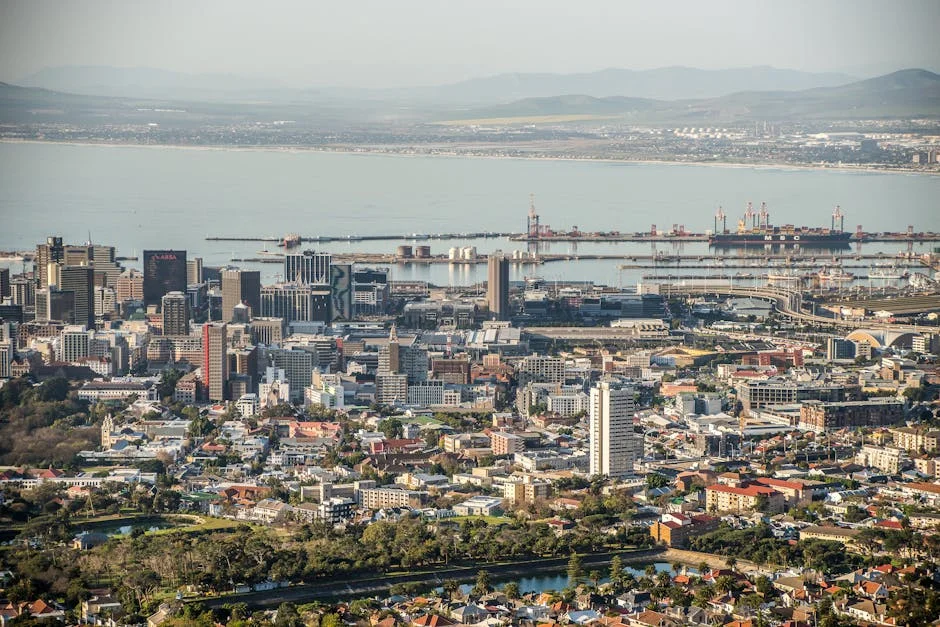
The City of Cape Town has identified the Inner City as the critical frontier for the next phase of metropolitan growth. Recent data indicates that while residential occupancy has risen, commercial revenue per square meter lags behind expectations for a global city of this calibre. The new activation strategy seeks to bridge this gap by creating consistent demand for goods and services outside standard working hours. This approach directly addresses the “dead weekend” syndrome that has plagued downtown areas worldwide.
Investors are responding to the clarity of this plan, recognizing that consistent foot traffic is the primary driver of retail rents and property valuation. The municipality is not merely organizing festivals; it is engineering an environment where businesses can thrive on recurring customer habits. This structural change offers a more stable return on investment for property owners who have long relied on volatile office leasing markets. The shift from office-centric to lifestyle-centric zoning is accelerating.
Local business owners have expressed cautious optimism, noting that previous sporadic events failed to create lasting economic momentum. The current strategy emphasizes continuity, ensuring that activations occur with sufficient frequency to alter consumer behavior permanently. This consistency is vital for small enterprises that operate on thin margins and need predictable cash flows to survive. The focus is on creating a self-sustaining ecosystem of commerce and leisure.
Market Reactions and Investor Sentiment


Financial markets have begun to price in the potential success of these Inner City Cape Town developments. Real estate investment trusts (REITs) with significant exposure to the Cape Town CBD have seen modest gains, reflecting renewed confidence in the region’s commercial viability. Analysts suggest that if the activation strategy delivers a 15% increase in weekend footfall, commercial property values could adjust upward within two fiscal quarters. This potential appreciation attracts both local and international capital looking for stable yields.
Capital Inflows and Property Valuations
The influx of capital into the region is driven by a desire to secure assets before prices fully reflect the improved urban environment. Foreign investors, particularly from the UK and Europe, are increasingly viewing Cape Town as a safe-haven destination for property investment. These investors are drawn by the relative stability of the South African Rand and the city’s strong infrastructure. The weekend activations serve as visible proof of the city’s commitment to maintaining and enhancing asset quality.
However, caution remains among some institutional investors who are waiting for concrete data on spending patterns rather than mere attendance figures. They are analyzing whether visitors are converting their time into tangible economic output through dining, shopping, and entertainment. This distinction is crucial for long-term valuation models that depend on revenue per square meter rather than headline occupancy rates. The market will closely monitor the first set of quarterly reports following the initial activation phase.
Business Implications for Local Enterprises
Small and medium-sized enterprises (SMEs) in the Inner City stand to gain the most immediate benefits from the increased visibility and foot traffic. Restaurants, cafes, and boutique retailers are extending their operating hours to capture the extended weekend crowds, leading to higher labor utilization and revenue streams. This operational expansion allows businesses to spread fixed costs over a larger volume of sales, improving overall profitability. The competitive landscape is intensifying, forcing vendors to innovate and improve service quality to retain customers.
The activation strategy also creates opportunities for service providers, including logistics companies, security firms, and marketing agencies. These businesses are experiencing a surge in demand as retailers prepare for the influx of visitors. This ripple effect extends beyond the immediate retail sector, contributing to broader employment growth in the metropolitan area. The economic multiplier effect is beginning to materialize as wages are earned and spent within the local economy.
Challenges remain, particularly regarding the ability of smaller businesses to absorb the initial costs of participation. The City of Cape Town has introduced subsidies and grants to offset these expenses, but the effectiveness of these financial instruments will determine the breadth of participation. Businesses that fail to secure funding may find themselves at a competitive disadvantage, potentially leading to consolidation in the retail sector. The market is already seeing signs of strategic partnerships between larger brands and local startups.
Infrastructure and Urban Development Costs
The transformation of public spaces requires significant capital expenditure, which the municipality must balance against other budgetary priorities. The City of Cape Town has allocated a specific portion of its infrastructure budget to upgrade lighting, seating, and sanitation facilities in the CBD. These improvements are not merely aesthetic; they are essential for creating a comfortable environment that encourages extended stays by consumers. The return on this investment is measured in increased tax revenues from property rates and business turnover.
Congestion management is another critical component of the activation strategy. The introduction of weekend pedestrian zones and improved public transport links aims to reduce the friction of accessing the Inner City. This infrastructure upgrade supports the broader economic goal of making the CBD more accessible to residents from surrounding suburbs. Efficient mobility is a key determinant of consumer willingness to travel to urban centers for leisure and commerce.
Long-term sustainability of the activation model depends on the durability of these infrastructure investments. Maintenance costs must be factored into the financial projections to avoid future budget shortfalls. The city is exploring public-private partnership models to share the financial burden and ensure that infrastructure remains in optimal condition. This collaborative approach can enhance the quality of public spaces while reducing the fiscal pressure on municipal funds.
Broader Economic Impact on the Region
The success of the Inner City Cape Town initiatives has implications for the wider Western Cape economy. A revitalized CBD can serve as a catalyst for tourism, attracting visitors who spend money in hotels, museums, and cultural venues. This tourism boost can help stabilize the region’s service sector, which has been volatile in recent years. The economic resilience of Cape Town is thus linked to the vibrancy of its central business district.
Employment generation is another significant outcome of the activation strategy. New jobs are being created not only in retail and hospitality but also in creative industries and event management. This diversification of the labor market reduces the region’s dependence on traditional sectors such as manufacturing and mining. A more diversified economy is better equipped to withstand external shocks and maintain steady growth trajectories.
The strategy also enhances the city’s brand image, making it more attractive to multinational corporations considering expansion into the South African market. A dynamic, lively urban center signals economic vitality and a high quality of life for expatriate employees. This intangible asset can be a decisive factor in location decisions for global firms. The economic benefits of brand enhancement can compound over time, leading to sustained investment inflows.
Future Outlook and Key Indicators
Stakeholders must now monitor specific economic indicators to gauge the effectiveness of the weekend activations. Key metrics include average spend per visitor, repeat visitation rates, and the occupancy levels of previously vacant retail units. These data points will provide concrete evidence of whether the strategy is translating into sustained economic activity. The City of Cape Town has committed to publishing quarterly reports to ensure transparency and accountability.
Investors should watch for announcements regarding new commercial leases and property acquisitions in the Inner City. These transactions will serve as leading indicators of market confidence and future growth potential. The pace of these deals will reveal whether the activation strategy has fundamentally altered the investment thesis for Cape Town’s CBD. A steady stream of new leases would confirm the strategy’s success in attracting long-term capital.
The next critical milestone is the announcement of the second phase of the activation plan, scheduled for early next year. This phase is expected to introduce more permanent installations and expanded programming. Market participants will analyze the details of this expansion to assess the city’s long-term commitment to the Inner City’s economic revival. The outcome will determine whether the initial momentum translates into a lasting transformation of Cape Town’s urban economy.
See Also
- Formula 1 Canada Race Triggers Market Shifts and Investment Buzz
- Contractors Slam Meta Layoffs at European Headquarters — Workers Demand More