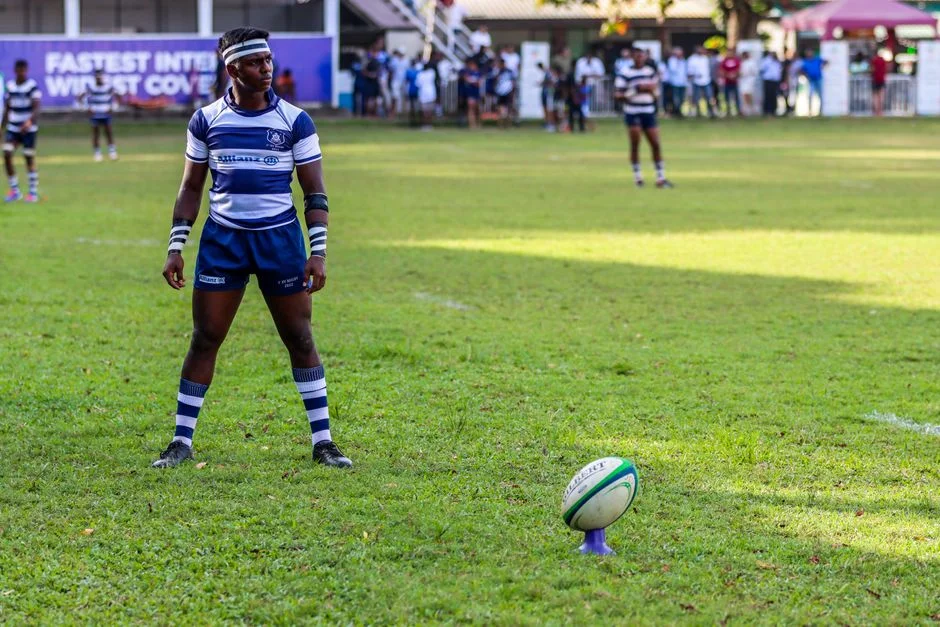
Swedish football clubs IF Elfsborg and IFK Häcken are set to clash on 26 May 2026 in a fixture that extends far beyond the final whistle. This Allsvenskan showdown highlights the growing financial weight of domestic league competitions across Northern Europe. Investors and sponsors are watching closely as matchday revenues and broadcast deals continue to expand.
Commercial Value of the Allsvenskan
The economic landscape of Swedish football has shifted dramatically over the last decade. The Allsvenskan league now generates over 2.5 billion SEK annually from a mix of broadcast rights, sponsorship, and matchday income. This growth attracts international attention, particularly from broadcasters looking for cost-effective content with high engagement rates. The Elfsborg versus Häcken match serves as a microcosm of this broader trend.

Broadcasters are willing to pay a premium for live football content due to its ability to capture viewer attention in a fragmented media market. The upcoming match will be streamed across multiple digital platforms, increasing the potential for advertising revenue. This model allows clubs to diversify their income streams beyond traditional ticket sales and merchandise. The financial health of the clubs depends heavily on maximizing these commercial opportunities.
Broadcast Rights and Media Revenue


Media rights remain the single largest source of income for top-tier Swedish clubs. The current deal with broadcaster Viaplay secures significant annual payouts, ensuring financial stability for the league. However, the rise of streaming services has changed how these rights are valued and utilized. Clubs like Elfsborg and Häcken are negotiating for better individual player image rights and digital content packages.
Digital Streaming Trends
The shift towards digital streaming has opened new revenue channels for clubs and leagues. Fans increasingly prefer watching matches on mobile devices and tablets, leading to higher engagement with digital advertising. This trend forces clubs to invest in better digital infrastructure to enhance the viewer experience. The ability to offer high-definition streams with minimal latency is becoming a key differentiator in the market.
Advertising revenue from digital platforms is projected to grow by 15% next year, according to industry analysts. This growth is driven by targeted advertising and the integration of real-time data during broadcasts. Clubs are leveraging this data to attract sponsors who want precise measurement of their return on investment. The Elfsborg versus Häcken match will test these new digital strategies in a live setting.
Sponsorship and Corporate Investment
Corporate sponsors are increasingly viewing football clubs as essential partners for brand visibility. The Elfsorgh and Häcken brands attract different demographic groups, offering sponsors targeted exposure. Companies in the technology, finance, and retail sectors are particularly active in the Allsvenskan sponsorship market. These partnerships provide clubs with crucial off-field revenue to balance their books.
Local businesses in Borås and Gothenburg also benefit significantly from the matchday economy. Hospitality, retail, and transport sectors see a surge in activity on matchdays, contributing to the local GDP. This economic ripple effect is often overlooked in broader financial analyses of the league. The proximity of the two clubs to major urban centers enhances this economic impact.
Matchday Economics and Fan Spending
Matchday revenue includes ticket sales, concessions, and merchandise, which collectively form a vital part of a club’s income. Average ticket prices for the Allsvenskan have risen by approximately 8% over the last five years. This increase reflects the growing demand for live sports experiences post-pandemic. Fans are willing to pay more for the atmosphere and social aspect of attending a live game.
Concession sales represent a significant portion of matchday revenue, with food and beverage prices climbing to cover inflationary pressures. Clubs are optimizing their concession stands to improve turnover and average spend per fan. Merchandise sales also see a boost on matchdays, with club stores reporting higher footfall and online traffic. The Elfsborg versus Häcken derby is expected to drive strong merchandise sales for both clubs.
Investor Perspective and Market Reaction
Investors in the Swedish sports sector are monitoring the financial performance of top clubs closely. The stability of income streams from broadcasting and sponsorship is a key metric for valuation. Any disruption in these streams could impact the market value of club assets and shares. The upcoming match is a test case for the resilience of these revenue models.
The broader European football market is also influencing investor sentiment in Sweden. Transfer fees and player wages are rising, putting pressure on clubs to generate more revenue. Investors are looking for clubs with strong commercial strategies and sustainable financial models. Elfsborg and Häcken are both seen as having solid foundations, but competition for talent remains intense.
Impact on Local Economies
The economic impact of a major derby match extends well beyond the stadium gates. Local hotels, restaurants, and transport services experience a surge in demand on matchdays. This influx of spending provides a significant boost to the local economy, particularly in smaller cities like Borås. The multiplier effect of matchday spending helps to sustain local businesses and create jobs.
Urban development projects in both cities are also linked to the success of their football clubs. New stadiums and fan zones act as catalysts for regeneration in surrounding areas. These projects attract further investment and improve the overall quality of life for residents. The long-term economic benefits of these developments are substantial and often outweigh the initial costs.
Infrastructure and Urban Development
Investment in sports infrastructure often leads to broader urban improvements. New stadiums are typically accompanied by better transport links, public spaces, and commercial developments. These improvements attract further private investment and enhance the city's appeal to tourists and businesses. The economic return on infrastructure investment is a key consideration for city planners and local governments.
The synergy between sports clubs and urban development is a growing trend in Northern Europe. Cities are recognizing the potential of football to drive economic growth and social cohesion. This approach requires careful planning and coordination between public and private stakeholders. The success of these projects depends on creating a sustainable model that benefits both the club and the community.
Future Outlook and Economic Trends
The financial future of Swedish football looks promising, driven by digital innovation and growing commercial interest. Clubs that adapt to changing consumer preferences and leverage new technology will be best positioned for growth. The Elfsborg versus Häcken match is a snapshot of this evolving landscape, highlighting the importance of commercial strategy. Investors and fans alike will be watching to see how these trends play out in the coming seasons.
Regulatory changes at the European level could also impact the financial dynamics of the league. New broadcasting regulations and financial fair play rules may force clubs to adjust their spending habits. The ability to navigate these changes will be a key determinant of long-term success. The next few years will be critical for the financial sustainability of the Allsvenskan.
Readers should monitor the quarterly financial reports of Elfsborg and Häcken for further insights into their commercial performance. These reports will provide detailed data on revenue streams and expenditure patterns. Tracking these metrics will help investors and analysts understand the broader economic health of Swedish football. The upcoming match is just one event in a continuous economic narrative.
See Also
- Anti-Trump Sentiment Unites Europe — Markets Brace for Impact
- Governor Lesetja Kganyago Signals Rate Changes Amid Inflation Concerns
Impact on Local Economies The economic impact of a major derby match extends well beyond the stadium gates. The Elfsborg versus Häcken match is a snapshot of this evolving landscape, highlighting the importance of commercial strategy.