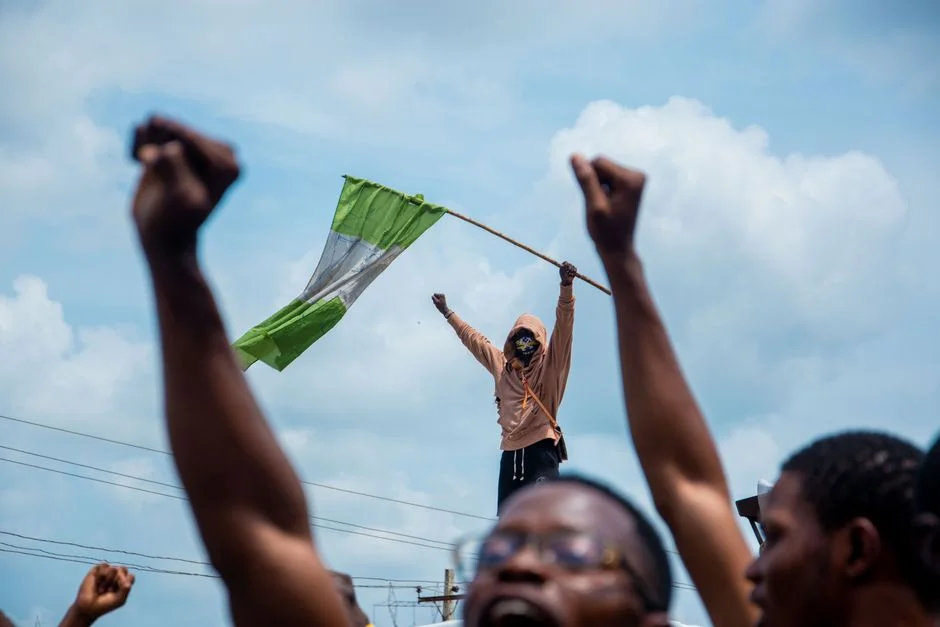
Thabo Mbeki’s former Deputy President, Cyril Ramaphosa’s political rival, and now a prominent opposition voice, Dlamini-Zuma has issued a stark warning about the state of national cohesion. The comment that citizens feel detached from the African continent comes at a time when foreign direct investment in South Africa is already under pressure. Markets reacted with immediate caution to the remarks, which highlight deep-seated social fractures that directly impact economic stability. Investors are now assessing how these social tensions might translate into operational risks for major corporations.
Political Rhetoric Meets Economic Reality
The specific phrase “People in this country think they are not in Africa” serves as more than just political rhetoric. It points to a structural issue where policy and public sentiment often drift away from regional integration. This detachment creates uncertainty for businesses that rely on the African Continental Free Trade Area (AfCFTA) to expand their market reach. If domestic consumers and policymakers view regional neighbors with suspicion, trade flows suffer. The economic cost of this isolationism is beginning to show in supply chain disruptions and rising logistics costs.

Market analysts in Johannesburg are closely monitoring how this narrative influences consumer behavior. Retail sectors that depend on a diverse workforce and customer base are particularly vulnerable to shifts in public mood. When political leaders emphasize division rather than unity, it can trigger subtle changes in spending habits. Foreign-owned brands may face increased scrutiny from local consumers who might prefer “homegrown” alternatives. This shift can alter revenue projections for multinational companies operating in the region.
Xenophobic Tensions Threaten Supply Chains


Xenophobia in South Africa has historically led to street protests that paralyze key economic hubs. The mention of these tensions by a high-profile figure like Dlamini-Zuma signals that the risk of recurrence remains high. Businesses in sectors such as retail, hospitality, and mining rely heavily on labor from neighboring countries like Lesotho, Mozambique, and Eswatini. Any flare-up of unrest can lead to sudden labor shortages, forcing companies to halt production. The financial impact of such stoppages can run into billions of Rands annually.
Insurance premiums for property and business interruption in areas prone to unrest have already begun to rise. Underwriters in Cape Town and Durban are adjusting risk models to account for potential social instability. This increase in operational costs squeezes profit margins for small and medium-sized enterprises (SMEs). Larger corporations may absorb the costs, but the burden eventually passes down the supply chain. The result is a less competitive business environment that deters new entrants.
Impact on Foreign Direct Investment
Foreign direct investment (FDI) flows into South Africa have shown volatility in recent quarters. Investors view political stability as a prerequisite for long-term capital deployment. When prominent figures highlight social fragmentation, it reinforces the perception of risk. This can lead to capital flight, as investors move funds to more stable markets in the region. The South African Rand often reacts negatively to news of social unrest, reflecting investor sentiment. A weaker currency increases import costs, which feeds into inflationary pressures.
Key sectors such as technology and renewable energy are particularly sensitive to these signals. These industries require a stable environment to attract global talent and secure long-term contracts. If the narrative of exclusion gains traction, it could deter skilled professionals from migrating to or staying in South Africa. The brain drain would further weaken the country’s competitive advantage in the global market. Companies may begin to look at countries like Kenya or Rwanda as alternative hubs for regional operations.
Business Community Responds with Caution
Major business associations in South Africa are calling for concrete policy responses to the social tensions. The Federation of SA Chambers of Commerce and Industry (Fosacci) has emphasized the need for consistent law enforcement and clear communication from government. Businesses want more than just rhetorical appeals for unity; they require actionable strategies to mitigate risk. This includes better infrastructure in townships and improved public transport to reduce congestion and friction. Without these measures, the threat to economic growth remains acute.
Corporations are also reviewing their corporate social responsibility (CSR) strategies to address community relations. Companies are increasing investments in local communities to build goodwill and reduce the likelihood of unrest. This includes funding education, healthcare, and job creation programs in areas with high levels of diversity. While these initiatives cost money, they are seen as essential for long-term stability. Businesses recognize that a socially cohesive environment is a key driver of economic performance.
Investor Sentiment Shifts Amid Uncertainty
Equity markets in South Africa have shown mixed reactions to the latest political commentary. The Johannesburg Stock Exchange (JSE) All Share Index has fluctuated in response to news of social tensions. Sectors such as consumer goods and property have seen increased volatility as investors assess the impact on demand. Analysts are advising caution, suggesting that portfolios should be diversified to hedge against domestic risks. This shift in sentiment reflects a broader trend of investors seeking stability in uncertain times.
Fixed income markets are also feeling the pressure, with bond yields rising as investors demand higher returns for holding South African debt. The South African Reserve Bank is closely monitoring these developments to determine the appropriate monetary policy stance. If social tensions lead to higher inflation or lower growth, the central bank may need to adjust interest rates. This could have significant implications for borrowers, including households and businesses. The cost of capital is a critical factor in investment decisions.
Regional Spillover Effects
The impact of South Africa’s social tensions extends beyond its borders. Neighboring countries with strong trade ties with South Africa, such as Namibia and Botswana, are also feeling the effects. Disruptions in South Africa’s logistics networks can delay exports and imports for regional partners. This can lead to inventory shortages and price increases in neighboring markets. The interconnectedness of the Southern African Development Community (SADC) means that instability in one country can ripple through the entire region. Investors need to consider these spillover effects when making regional allocation decisions.
Furthermore, the perception of South Africa as a gateway to Africa is being tested. If the country is seen as socially fragmented, it may lose some of its appeal as a regional headquarters for multinational companies. Competitors like Nigeria and Egypt are actively courting foreign investment by promoting stability and growth. South Africa must address its social cohesion challenges to maintain its competitive edge. Failure to do so could result in a gradual erosion of its market share in the region.
Policy Implications for Economic Growth
The government faces the challenge of translating political rhetoric into effective policy. Addressing xenophobia requires a multi-faceted approach that includes economic inclusion, social integration, and effective governance. Policies that promote job creation and reduce inequality can help alleviate some of the underlying causes of social tension. However, these measures take time to yield results, and the short-term outlook remains uncertain. Investors are watching to see if the government can deliver tangible improvements in social cohesion.
Fiscal policy will also play a key role in managing the economic impact of social tensions. The government may need to increase spending on social services and infrastructure to stabilize affected communities. This could lead to a higher fiscal deficit, which may impact the country’s credit rating. A downgrade in the credit rating would increase borrowing costs for both the government and businesses. This could slow down economic growth and reduce investor confidence. The balance between social spending and fiscal discipline is a delicate one.
What Investors Should Watch Next
The coming months will be critical in determining the long-term impact of these social tensions. Investors should monitor key indicators such as unemployment rates, inflation, and political stability. Any signs of worsening unrest or policy missteps could lead to further market volatility. It is also important to watch for changes in government policy aimed at addressing social cohesion. Successful implementation of these policies could restore investor confidence and support economic growth. The market will remain sensitive to new developments, so staying informed is essential.
See Also
- Luis Enrique Surpasses Guardiola's Record with PSG's Triumph — Economic Ripple Effects Explored
- Confucius Quote on Action Spurs UK Business Leaders to Rethink Strategies
Analysts are advising caution, suggesting that portfolios should be diversified to hedge against domestic risks. This shift in sentiment reflects a broader trend of investors seeking stability in uncertain times.