Jannik Sinner claimed a commanding victory over Frenchman Clément Tabur at Roland-Garros 2026, but the economic ripples of this Grand Slam extend far beyond the clay courts of Paris. As Félix Auger-Aliassime and Daniel Altmaier also secured their spots through super tie-breaks, the tournament has become a major driver for cross-border spending, particularly from the United Kingdom. This event is not merely a sporting contest; it is a significant economic engine that influences hotel occupancy, retail sales, and travel demand across Europe.
The Economic Engine of Parisian Tennis
Paris generates billions of euros annually from the Roland-Garros tournament, a figure that continues to climb as global interest in tennis grows. The influx of international visitors creates immediate pressure on local infrastructure, driving up prices in sectors ranging from accommodation to hospitality. For UK-based investors and businesses, understanding this seasonal surge is essential for capitalizing on the temporary boom in consumer spending. The city sees a marked increase in revenue during the two-week event, with central Paris hotels often reaching near-capacity.

Businesses in the Île-de-France region report a steady rise in footfall, which translates directly into higher sales for retail and dining establishments. This pattern is predictable and allows companies to adjust their staffing and inventory levels accordingly. However, the competitive nature of the tournament also means that sponsors and broadcasters are vying for greater market share, leading to increased advertising spend. The financial stakes are high, with brands looking to align themselves with the winning narratives that emerge from the Parisian clay.
UK Travel Demand And Consumer Spending
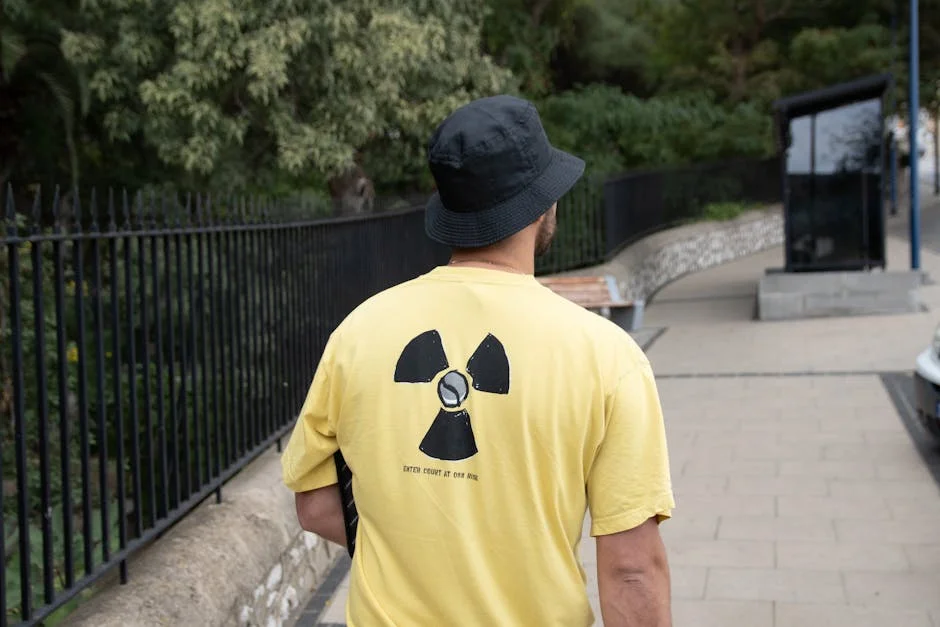

The impact of the Roland-Garros tennis event on the UK economy is primarily felt through travel and leisure spending. British fans are among the most dedicated attendees, often booking flights and hotels months in advance to secure their place in the Parisian heat. This demand drives up airfares on routes between London and Paris, benefiting major airlines and budget carriers alike. The currency exchange rates also play a role, as the strength of the pound against the euro can influence the final cost for UK travelers.
UK retailers also see a spike in sales of tennis apparel and accessories during the tournament period. Brands like Adidas, Nike, and local favorites such as Lacoste experience increased turnover as fans dress to impress on the courts and in the stadiums. This retail boost is not limited to London; cities with strong tennis cultures, such as Manchester and Birmingham, also report higher engagement with sports-related products. The cultural update on roland garros tennis culture update shows a shift towards more casual, stylish wear that appeals to a broader demographic.
Financial Implications For British Fans
For the average British fan, the cost of attending Roland-Garros can be substantial when factoring in flights, accommodation, and tickets. A typical weekend trip to Paris can cost upwards of £500 per person, excluding match-day expenses. This level of spending contributes to the broader UK tourism budget and supports jobs in the travel sector. However, it also means that economic fluctuations in the UK can directly affect attendance numbers. If inflation rises or wages stagnate, fewer British fans may choose to make the journey, impacting the tournament's international revenue stream.
Investors in the UK travel and hospitality sectors should monitor these trends closely. The data from previous years shows a clear correlation between strong performances by British players and increased attendance from UK fans. While Sinner, Auger-Aliassime, and Altmaier are not British, their high-profile matches still draw significant attention. The media coverage in the UK remains strong, ensuring that the tournament stays in the public consciousness. This sustained interest helps maintain a baseline level of demand for Paris-bound travel, even in the absence of a British winner.
Market Reactions And Sponsorship Deals
The commercial aspect of Roland-Garros is a key driver of its financial success. Sponsors pay premium prices to have their logos displayed on the courts and in the stadiums, reaching millions of viewers worldwide. The recent matches featuring Sinner, Auger-Aliassime, and Altmaier have attracted significant viewership, boosting the value of these sponsorship deals. For businesses looking to expand their European presence, this tournament offers a unique opportunity to connect with a diverse and affluent audience.
Stock prices of key sponsors often fluctuate during the tournament, reflecting the market's assessment of the brand visibility and consumer engagement. Companies in the luxury goods sector, such as L'Oréal and BMW, are particularly keen to leverage the prestige of the Roland-Garros brand. The analysis of these market reactions provides valuable insights for investors who want to understand how sporting events can influence corporate valuations. The ZA analysis the UK perspective suggests that UK-based investors should pay close attention to the performance of these European brands during the tournament period.
Furthermore, the broadcasting rights for Roland-Garros are a significant revenue stream for both the tournament organizers and the networks. In the UK, channels like the BBC and Eurosport compete for viewers, leading to increased advertising revenue. The digital streaming market is also growing, with more fans choosing to watch matches on tablets and smartphones. This shift towards digital consumption presents new opportunities for data-driven advertising and targeted marketing campaigns.
Local Business Opportunities In Paris
Local businesses in Paris benefit immensely from the influx of tennis fans. Restaurants, cafes, and boutiques near the Stade Roland-Garros see a steady stream of customers throughout the tournament. This economic activity supports local employment and helps sustain small businesses that might otherwise struggle during quieter months. The government of Paris also invests in infrastructure improvements to accommodate the increased number of visitors, which has long-term benefits for the city's economy.
Real estate values in the areas surrounding the tennis stadium also tend to rise during the tournament period. Short-term rental platforms like Airbnb see a surge in bookings, with homeowners able to command higher nightly rates. This temporary boost in rental income can be a significant source of revenue for property owners in Paris. However, it also contributes to the housing crisis in the city, as long-term residents face increased competition for available properties.
Investor Perspectives And Future Trends
Investors looking to capitalize on the Roland-Garros phenomenon should consider the broader trends in sports marketing and tourism. The growing popularity of tennis in Europe suggests that the tournament's economic impact will continue to grow in the coming years. However, there are also risks to consider, such as changes in consumer preferences and the potential for economic downturns. A thorough ZA explained overview of the current market conditions can help investors make informed decisions.
The integration of technology in the tournament experience is another area of growth. From augmented reality features in the stadiums to advanced analytics for fans, technology is enhancing the viewer experience and creating new revenue streams. Companies that can innovate in this space have the potential to capture a significant share of the market. The UK has a strong tech sector, offering opportunities for British firms to partner with Roland-Garros and other European tournaments.
Environmental sustainability is also becoming a key factor in the economic planning of major sporting events. Roland-Garros has implemented several green initiatives, such as reducing plastic waste and improving energy efficiency. These efforts not only appeal to environmentally conscious fans but also help the tournament attract sponsors who are looking to enhance their brand image. For investors, this trend towards sustainability presents both challenges and opportunities in the sports industry.
Regulatory And Infrastructure Developments
The French government plays a crucial role in managing the economic impact of Roland-Garros. Regulations regarding crowd control, transportation, and local business operations are put in place to ensure a smooth event for visitors and residents alike. These regulations can affect the profitability of local businesses, as they may need to invest in additional staffing or infrastructure to meet the demands of the tournament. Understanding these regulatory frameworks is important for businesses operating in Paris.
Infrastructure development around the Stade Roland-Garros continues to evolve, with new facilities and transportation links being added to improve the visitor experience. These investments are funded by a mix of public and private capital, reflecting the shared interest in maximizing the economic benefits of the tournament. The UK government could learn from these developments when planning for its own major sporting events, such as the Wimbledon Championships.
The competition for talent and sponsorship is also intensifying, with other European tournaments looking to replicate the success of Roland-Garros. This competition drives innovation and investment in the sports sector, creating a dynamic market environment. For businesses and investors, this means that opportunities are abundant, but they must be agile and responsive to changing market conditions. The roland garros tennis news today highlights the ongoing evolution of this economic landscape.
Looking Ahead: What To Watch Next
As the 2026 Roland-Garros tournament progresses, the economic implications will continue to unfold. Investors and businesses should monitor the final attendance figures and revenue reports to assess the overall success of the event. The performance of Sinner, Auger-Aliassime, and Altmaier will also influence the media coverage and fan engagement, which in turn affects the commercial value of the tournament. Keeping an eye on these indicators will provide valuable insights for future investment decisions in the sports and tourism sectors.
See Also
- Nigeria's Ojude Oba Festival Boosts Tourism and Economy in Ijebuland
- Nigerians in Philippines Threaten to Sue FG Over Monthly Dues Demand