The World Health Organization (WHO) has raised alarms over an Ebola outbreak in Africa, revealing that hundreds of cases may be spreading faster than initially thought. Dr. Tedros Adhanom Ghebreyesus, the WHO Director-General, reported on Tuesday that over 300 infections have been confirmed, primarily in the Democratic Republic of the Congo (DRC). This resurgence poses significant risks not only for public health but also for global markets and businesses.
Rapid Spread of Ebola in the DRC
As of August 2023, the DRC has seen a dramatic rise in confirmed Ebola infections. The health ministry reported that the number of cases has more than doubled in just two weeks. According to Dr. Ghebreyesus, increased human-to-human transmission is a concerning trend, with over 100 new cases reported in the past week alone.

Experts within the WHO fear that continued spread could lead to regional instability and strain healthcare systems already grappling with limited resources. In the past, similar outbreaks have overwhelmed local health services, creating a ripple effect that impacts broader economies.
Economic Implications for Africa and Beyond


The quickening pace of the Ebola outbreak could have far-reaching economic consequences. Countries neighbouring the DRC, such as Uganda and Rwanda, are on heightened alert as they prepare for potential spillover effects. Increased border controls and health screenings may create logistical disruptions and affect trade.
For investors, the ongoing crisis raises questions about the stability of markets in the affected regions. Companies operating in these areas may face supply chain interruptions, while tourism—an essential revenue source for many African nations—could suffer as safety concerns arise. Africa’s economic landscape, already shaken by previous health crises, could now face another setback.
Impact on Global Health Initiatives
The WHO's warning has prompted calls for increased international support for affected nations. Funding for health initiatives is critical as governments race to implement containment measures. The WHO is advocating for a coordinated global response to bolster healthcare systems in vulnerable countries.
Investment in healthcare infrastructure and research is paramount to address both the immediate outbreak and future health challenges. Without adequate resources, local health systems may falter, leading to further economic turmoil and loss of life.
Market Reactions and Business Strategies
Whispers of an outbreak are already causing fluctuations in African markets. Companies linked to healthcare, pharmaceuticals, and logistics are seeing fluctuating stock values as investors react to the news. Businesses must reassess risk management strategies to navigate the uncertainties posed by the outbreak.
Multinational corporations with heavy exposure to the region may consider diversifying their operations to mitigate potential losses. In the face of a rapidly evolving health crisis, adaptability will be key to maintaining stability and investor confidence.
What Analysts Are Watching Next
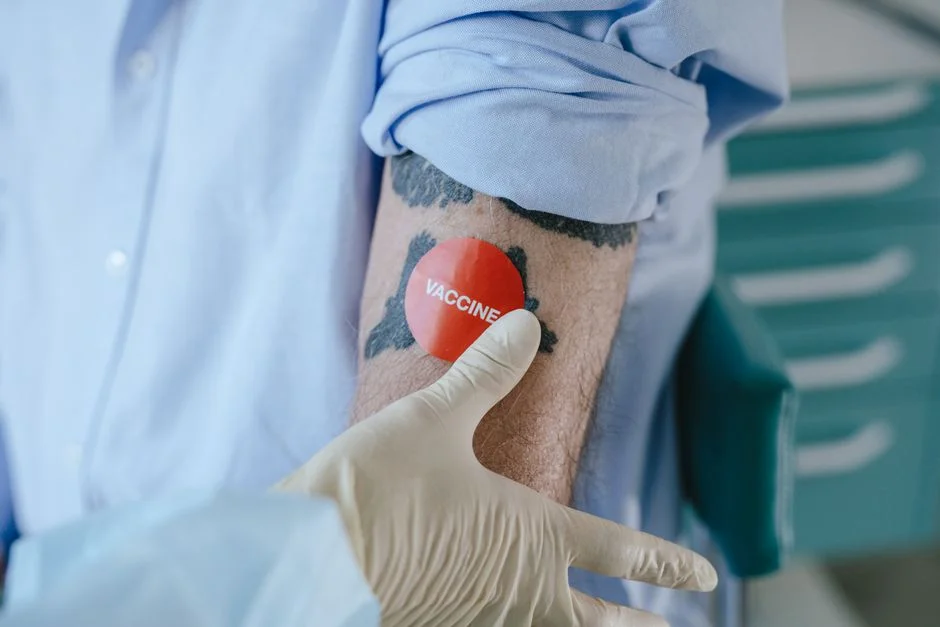
On the ground, health officials in Africa are implementing aggressive vaccination campaigns to prevent further spread. The success of these efforts will be crucial in determining the outbreak's trajectory and its impact on local economies. Analysts recommend keeping a close eye on infection rates, government responses, and international aid announcements as the situation unfolds.
As we move forward, the potential for further outbreaks and their economic ramifications remains a primary concern. The international community's response in the coming weeks could set the stage for how effectively this crisis is managed and what it means for the global economy.
See Also
- Young Voices in Crisis: What Hospitals and Investors Need to Watch
- SIU Freezes Duduzile Nobungwana's R8.2m Assets Amid Graft Investigation
In the face of a rapidly evolving health crisis, adaptability will be key to maintaining stability and investor confidence.What Analysts Are Watching Next On the ground, health officials in Africa are implementing aggressive vaccination campaigns to prevent further spread. Analysts recommend keeping a close eye on infection rates, government responses, and international aid announcements as the situation unfolds.As we move forward, the potential for further outbreaks and their economic ramifications remains a primary concern.