Ghana has included former Arsenal midfielder Thomas Partey in its preliminary squad for the upcoming 2026 World Cup, set to take place in North America. This decision, made public on 12 October 2023, not only highlights Partey's significance in Ghanaian football but also raises questions about the economic implications for both Ghana and the UK.
Partey's Impact on Ghana's Economy
Thomas Partey's inclusion in the squad comes at a critical time for Ghana, as the national team seeks to secure its position on the world stage. Beyond the pitch, Partey’s presence could bolster local businesses, particularly those connected to sports and tourism. His celebrity status might attract more fans to Ghana for the World Cup, stimulating the economy.
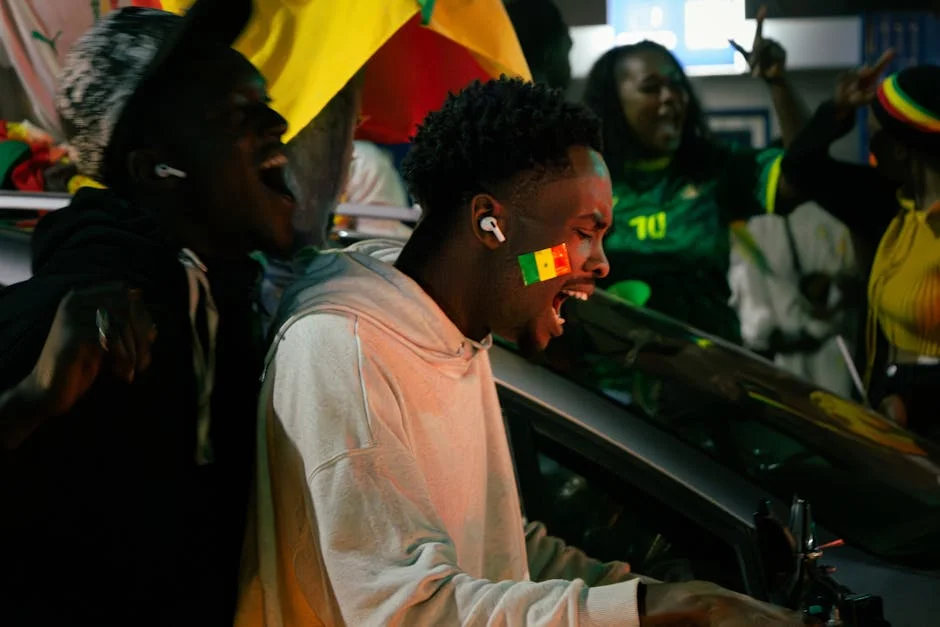
Moreover, the anticipation surrounding Ghana's performance could lead to increased spending in sectors such as hospitality, transport, and merchandise. A surge in tourism during the World Cup could generate a significant boost, estimated at around 15% growth in the national GDP for the duration of the tournament.
The UK Market Response

Partey's former club, Arsenal, is also keenly observing these developments. The London-based club has a reputation for nurturing talent that often translates into lucrative sponsorships and merchandise sales. Partey’s involvement in such a high-profile event could drive up sales of Arsenal merchandise, particularly in the UK, where the football community maintains strong ties with Ghanaian fans.
Arsenal's stock may respond positively if Partey's presence in the World Cup generates substantial media coverage, attracting new sponsors and boosting engagement on social media platforms. This could result in a potential increase in Arsenal’s market valuation in the coming months.
Investment Opportunities Arising from the World Cup
Investors should keep an eye on companies positioned to benefit from the economic ripple effects of the World Cup. Sectors such as advertising, sports merchandise, and travel services might see significant growth as fans engage more with the event. Companies like Nike and Adidas could gain from increased sales as national teams gear up for the competition.
In the UK, the sports merchandise market is expected to see a boost, with an anticipated 10% rise in sales as fans invest in jerseys and other memorabilia. For businesses, these trends represent significant opportunities for capitalising on heightened consumer interest leading up to the tournament.
Potential Risks and Considerations
While the signs appear promising, investors should be wary of potential economic volatility surrounding the World Cup. Geopolitical issues, inflation, and changing consumer behaviours could all affect market outcomes. Businesses planning to capitalise on the event need to consider these factors carefully.
Market analysts have noted that while excitement generates opportunities, underlying economic conditions must also be favourable. The interplay between positive sentiment and economic stability will determine how beneficial the World Cup becomes for various stakeholders.
Ghana’s Road to the World Cup
Ghanaian football has a rich history, with the national team, known as the Black Stars, being a consistent presence in international tournaments. Their journey to qualify for the World Cup has been a source of national pride, and the inclusion of players like Partey underscores the team’s ambition to perform at the highest level.
This dedication can also serve to unify the nation, potentially boosting domestic consumption as citizens rally behind their team. The social impact of sports is profound, as it not only fosters a sense of identity but can also drive economic activity through increased local and foreign investments.
Looking Ahead: What to Watch
As Ghana prepares for the World Cup, businesses and investors should closely monitor developments. The final squad announcement, set for November 2023, will be a crucial moment, as it could further influence both local and international market dynamics. Fan engagement through social media and merchandise sales will also be key indicators of Ghana's economic trajectory leading into the tournament.
The World Cup might prove to be not just a showcase of football talent but also a significant driver of economic change for Ghana and beyond, particularly for the UK market with its strong football heritage. Stakeholders should remain vigilant and be ready to adapt to the swift changes that come with the excitement of such an event.
Fan engagement through social media and merchandise sales will also be key indicators of Ghana's economic trajectory leading into the tournament.The World Cup might prove to be not just a showcase of football talent but also a significant driver of economic change for Ghana and beyond, particularly for the UK market with its strong football heritage. For businesses, these trends represent significant opportunities for capitalising on heightened consumer interest leading up to the tournament.Potential Risks and ConsiderationsWhile the signs appear promising, investors should be wary of potential economic volatility surrounding the World Cup.
What is the latest news about thomas parteys place in ghanas world cup squad could spike local investment?
Why does this matter for society-culture?
What are the key facts about thomas parteys place in ghanas world cup squad could spike local investment?