The discovery of a nest belonging to the endangered curlew, a bird noted for its distinctive call, was announced by the Sliabh Beagh Curlew Conservation Trust on Monday. This event took place in the Sliabh Beagh mountains, which straddle the border between Northern Ireland and the Republic of Ireland. This find is significant not just for biodiversity but also for local economies heavily reliant on nature tourism.
Curlew Population Under Threat
The curlew population in the UK has been steadily declining, with numbers dropping by over 50% since the 1990s. This has raised alarms among environmentalists and local communities who depend on the species for ecological balance and tourism opportunities. The recent discovery of a nest in Sliabh Beagh offers a glimmer of hope amidst these troubling statistics.
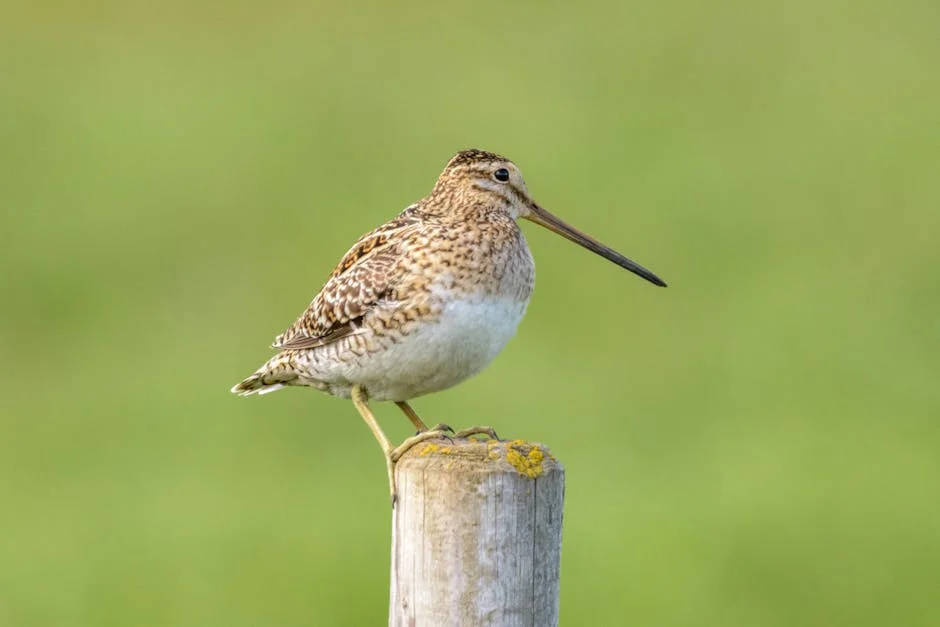
According to Dr. Sarah McCarthy, a biologist with the Sliabh Beagh Curlew Conservation Trust, the finding is a crucial step in conservation efforts. "Every nesting pair is vital for the future of this species in our region," she stated. The trust's ongoing efforts to monitor and protect these birds aim to reverse the current negative trends.
Economic Impact on Local Businesses


The presence of curlews can significantly influence the local economy. Nature tourism, which includes birdwatching and environmental tours, generates millions for regions like Sliabh Beagh. The discovery of active nests could attract more visitors, boosting local businesses such as hotels, restaurants, and retail shops.
In 2022, the UK nature tourism sector was valued at approximately £2 billion, illustrating the potential for economic growth if conservation efforts succeed. By safeguarding the curlew's habitat, the Sliabh Beagh Curlew Conservation Trust aims to enhance this income stream further.
Investor Interest in Conservation Projects
The economic implications extend beyond local businesses; investors are increasingly interested in funding conservation projects that promise sustainable returns. Initiatives that protect endangered species often attract green investment, with funds looking for socially responsible opportunities.
Investors may view efforts like those of the Sliabh Beagh Trust as viable options in the growing market for environmental sustainability. According to a report from the Global Impact Investing Network, the global market for impact investing is projected to reach $1 trillion by 2025, underscoring the increasing importance of conservation in financial portfolios.
Government Support and Policy Changes
The UK government has committed to various environmental protections that could bolster efforts like those of the Sliabh Beagh Trust. Policies promoting biodiversity and conservation funding are becoming more prevalent, which may translate into increased financial support for local initiatives.
In July, the Department for Environment, Food & Rural Affairs announced a £5 million fund dedicated to supporting the protection of endangered species, including the curlew. This funding could provide the Sliabh Beagh Trust with crucial resources to further their conservation goals and stimulate local economies.
Broader Implications for the UK
The discovery of the curlew's nest serves as a reminder of the urgent need for wildlife preservation efforts across the UK. As pressures from climate change and habitat loss continue to mount, the economic stakes tied to conservation are increasingly evident.
Local communities, investors, and government bodies must collaborate to ensure the survival of endangered species like the curlew. With proper funding and support, the Sliabh Beagh Trust's efforts could serve as a model for similar initiatives across the UK.
What Lies Ahead
Looking forward, the Sliabh Beagh Trust plans to enhance its conservation strategies, focusing on habitat restoration and community engagement. Stakeholders should keep an eye on how these efforts unfold, especially with the government's upcoming review of biodiversity funding slated for early next year.
This review may provide further insights into the financial commitments available for conservation, shaping the future landscape of nature tourism and investment in the UK.
See Also
- Lourenço Seeks MPLA Presidency — Markets Brace for Policy Continuity
- Barcelona Secures Anthony Gordon for €80m — Newcastle United Faces Major Shift
According to a report from the Global Impact Investing Network, the global market for impact investing is projected to reach $1 trillion by 2025, underscoring the increasing importance of conservation in financial portfolios.Government Support and Policy ChangesThe UK government has committed to various environmental protections that could bolster efforts like those of the Sliabh Beagh Trust. See AlsoLourenço Seeks MPLA Presidency — Markets Brace for Policy ContinuityBarcelona Secures Anthony Gordon for €80m — Newcastle United Faces Major Shift
What is the latest news about sliabh beagh curlew conservation trust reveals new nest uk environment at stake?
Why does this matter for health?
What are the key facts about sliabh beagh curlew conservation trust reveals new nest uk environment at stake?