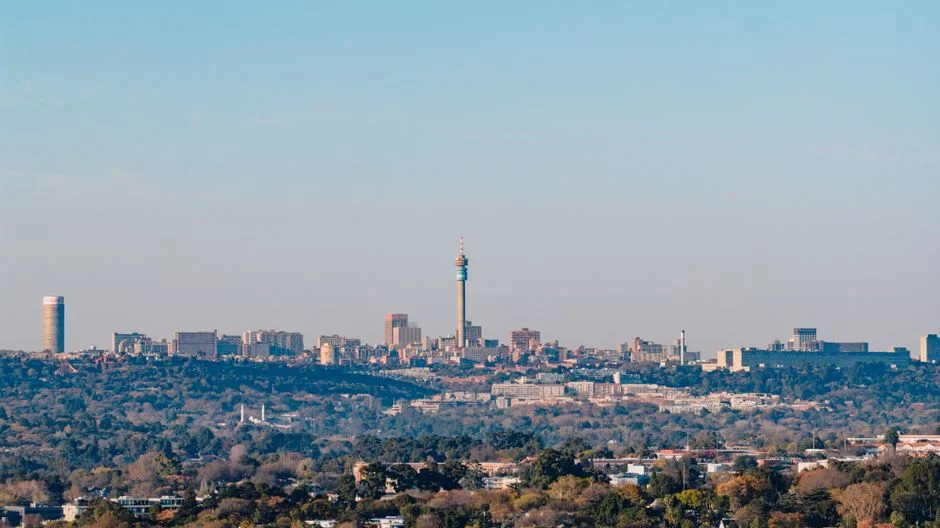
Premier Maqueen Letsoha-Mathae has welcomed findings from the Special Investigating Unit into a bursary scheme that critics say drained funds meant for students in South Africa's Free State province. The Premier told reporters in Bloemfontein on Tuesday that officials implicated in the report would face consequences. Her office stopped short of specifying timelines or identifying those facing potential charges.
What the SIU Found
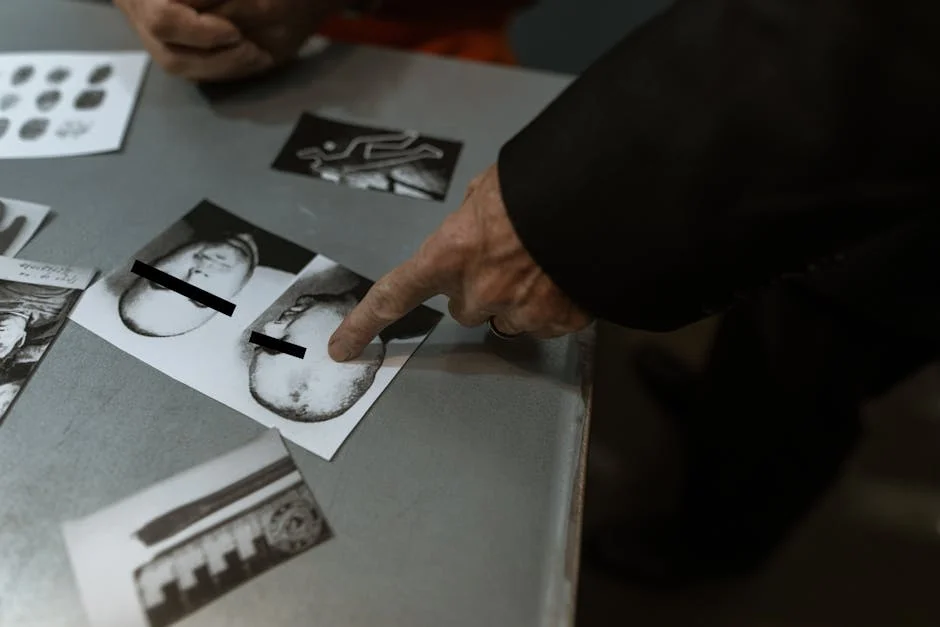
The Special Investigating Unit probe examined a provincial bursary programme that awarded contracts to ineligible recipients. Investigators identified payments that bypassed normal procurement channels and benefited individuals connected to provincial officials. The SIU referred its findings to the National Treasury and the Directorate of Public Prosecutions. Letsoha-Mathae described the findings as deeply troubling and said her administration was committed to rooting out corruption wherever it existed.
Economic Consequences of the Scandal

Corruption in education spending directly impacts the province's human capital development strategy. Free State relies on federal transfers for most operational spending, and irregular expenditure in one programme creates pressure across other social services. The provincial government faces potential disallowances from the auditor-general, which could require reallocation from other budget lines. Investors monitor governance indicators closely when assessing risk in South African municipalities and provinces; this scandal adds to concerns about fiscal management in smaller provinces.
Impact on Education Sector
Bursary schemes represent a key tool for expanding access to higher education in provinces with limited private university options. When funds are diverted, the pipeline of skilled graduates for the regional economy suffers. Businesses in Bloemfontein and surrounding areas that rely on skilled local workers may face shortages as fewer students complete post-secondary qualifications. The reputational damage also complicates future partnerships between the province and private sector training initiatives.
Government Response and Next Steps
The provincial treasury has initiated an internal review of all current bursary agreements. Letsoha-Mathae said her cabinet would consider disciplinary action against any official who failed to uphold procurement rules. The Premier faces pressure from opposition parties who have called for a formal inquiry and broader reforms to how the province manages education transfers. Her office confirmed that affected students would continue receiving payments while the review proceeds.
Implications for Business and Investors
Provincial governance failures often ripple into business confidence indicators. Free State has attracted interest from agricultural processors and renewable energy developers, many of whom cite administrative reliability as a key factor in site selection. The bursary scandal raises questions about oversight mechanisms across other provincial programmes. Corporate social investment partners who work with the province on skills development may reconsider engagement until governance improves. The auditor-general's upcoming report will provide the next signal for investors tracking fiscal health in the province.
What Happens Next
The National Treasury has 30 days to respond to the SIU findings before any formal action is confirmed. The Directorate of Public Prosecutions will determine whether criminal charges are warranted against named individuals. The provincial legislature expects a briefing from the finance department during its next sitting. Watch for the auditor-general's interim report on Free State's annual accounts, due in the coming months, which will show whether the province has addressed control weaknesses flagged in previous audits.
See Also
- Hong Kong Debt Fire Sales Trigger Global Market Jitters
- Portugal Transfers Key Agent — Markets React to Leaked Data