As space agencies prepare for extended missions on Mars and beyond, scientists in the UK are racing to develop specialised gym equipment tailored for future astronauts. This initiative aims to counteract the detrimental effects of microgravity on muscle and bone density, a critical concern for long-term space travel.
Why Space Fitness Matters
The need for fitness equipment in space arises from the fact that astronauts can lose up to 20% of their muscle mass within just a few weeks in microgravity. Traditional exercise machines fail to function in these conditions, prompting innovation. The European Space Agency (ESA) has partnered with UK scientists to create exercise solutions that replicate the resistance training necessary for maintaining astronaut health during prolonged missions.
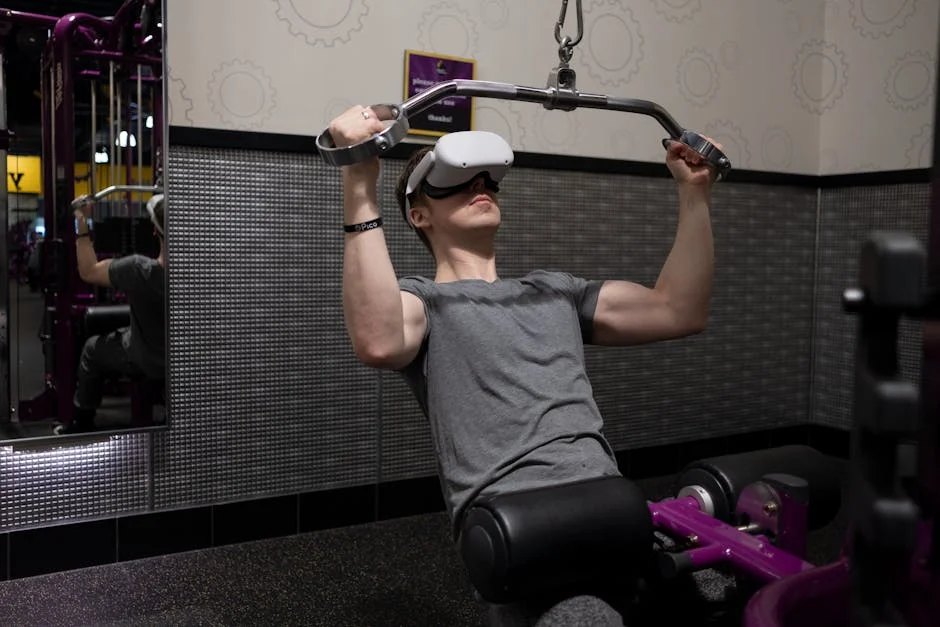
Research has shown that without proper training, astronauts are at risk of severe health issues, which could jeopardise missions and lead to increased costs for space agencies. The focus is on creating adaptable equipment that can be used in small spaces and fits the unique challenges of microgravity.
Market Dynamics and Investment Potential


The global commercial space sector is projected to reach $1 trillion by 2040, with factors such as satellite technology and space tourism driving growth. With this expansion, the demand for fitness technology tailored for space is also expected to rise. Companies investing in developing this technology may find lucrative opportunities in securing contracts with governments and private space companies.
According to a recent study by the UK Space Agency, the UK space industry is already worth approximately £16.5 billion, with an annual growth rate of 6% over the past decade. This creates an encouraging environment for businesses focusing on innovative products designed for the space environment.
Collaborative Efforts in the Space Fitness Sector
Leading researchers from institutions like the University of Southampton are collaborating with engineering companies to design equipment that will function effectively aboard spacecraft. This collaboration is vital as it combines scientific knowledge with engineering capabilities to create feasible products.
Investment in this sector is not just limited to public funding. Private investors are increasingly recognising the potential of space technology, creating a surge in funding for start-ups focusing on space fitness equipment. For instance, recent funding rounds have raised millions for companies developing advanced training solutions for astronauts.
Impact on Businesses and Innovation
As the competition to develop space equipment intensifies, businesses will need to focus on innovation to stay ahead. Companies are investing in research and development (R&D), which may lead to technological advancements that can also be applied in terrestrial fitness markets. This cross-pollination of ideas could yield groundbreaking fitness products for everyday consumers.
Furthermore, the push for exercise solutions for astronauts may also lead to improved health technologies back on Earth, benefitting gyms, rehabilitation centres, and fitness enthusiasts.
What’s Next for Space Fitness Technology?
Looking ahead, the first prototypes of this specialised equipment are expected to be ready for initial testing by late 2024. The success of these tests will determine if the technology can be implemented in future space missions, including those planned by NASA and ESA.
As investment continues to flow into this burgeoning sector, those watching for opportunities in both the space and fitness markets should keep an eye on developments over the coming months. The intersection of health and space exploration may unlock new pathways for economic growth and innovation.
See Also
- Caitlin Clark Leads Valkyries to Victory Over Fever — Impact on ZA Sports Market
- Plateau Halts Roadblocks After Mangu Chaos — Trade Routes Reopen
For instance, recent funding rounds have raised millions for companies developing advanced training solutions for astronauts.Impact on Businesses and InnovationAs the competition to develop space equipment intensifies, businesses will need to focus on innovation to stay ahead. See AlsoCaitlin Clark Leads Valkyries to Victory Over Fever — Impact on ZA Sports MarketPlateau Halts Roadblocks After Mangu Chaos — Trade Routes Reopen
What is the latest news about scientists race to develop gym equipment for future astronauts will it boost the space economy?
Why does this matter for opinion?
What are the key facts about scientists race to develop gym equipment for future astronauts will it boost the space economy?