Euromillions has reached €141 million, and the race is on. The jackpot has climbed through weeks of rollovers since July, and the prospect of a single ticket worth €141 million is driving ticket sales across nine European nations.
In Lisbon, the winning combination was broadcast by lottery operators on Tuesday evening, marking the start of a 48-hour window before Wednesday's draw closes. The massive prize pool has captured public imagination from Dublin to Geneva.
The Numbers Behind the Jackpot
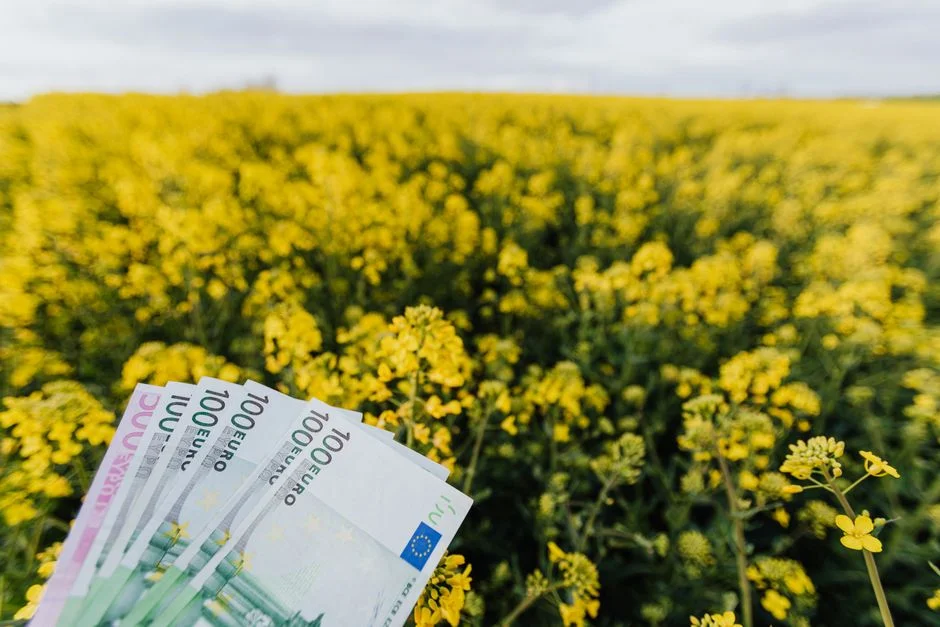
Euromillions works as a parimutuel lottery, meaning the prize pool comes directly from ticket sales. Players select five numbers from 1-50 plus two " Lucky Stars" from 1-12. The current €141 million represents the accumulated jackpot, with approximately half of the total prize pool allocated to the top prize and the remainder distributed across twelve secondary tiers.
The nine participating nations are France, Spain, the United Kingdom, Ireland, Portugal, Belgium, Austria, Switzerland, and Luxembourg. Française des Jeux manages Euromillions operations on behalf of the consortium.
Economic Structure of European Lotteries


The prize distribution follows a fixed formula. Roughly 50% of ticket revenue funds prizes, while approximately 28% flows to good causes under each country's lottery legislation. National operators keep around 5% profit, with taxes and operational costs covering the rest.
Camelot Group previously operated the UK National Lottery from 1994 until 2020, when Allwyn Entertainment took over the contract following a competitive tender process managed by the UK Gambling Commission. Camelot contributed £1.8 billion annually to good causes during its final years of operation.
Jackpot Psychology and Market Response
Research by lottery operators shows that jackpots exceeding €100 million typically generate 30-40% higher ticket sales compared with standard draws. Camelot's own figures confirmed this pattern before its contract ended in 2020.
Retailers report increased foot traffic during major jackpot runs. News coverage expands, and social media buzz intensifies. These dynamics create measurable economic spillover effects across retail, media, and hospitality sectors.
Regulatory Scrutiny Intensifies
Regulatory bodies across Europe monitor jackpot cycles carefully. The UK Gambling Commission and Portugal's Regulador de Jogos each oversee their national lottery operations within the Euromillions framework.
The concern is whether large jackpots create pressure that leads to irresponsible gambling. Advertising during jackpot periods comes under particular scrutiny, with rules varying by jurisdiction. The UK maintains stricter marketing controls than Portugal or Spain, according to Gambling Commission guidelines.
Where the Money Actually Goes
For every €2 ticket purchased, roughly €1 goes directly to the prize pool. The remaining euro splits between good causes, operator profit, and government taxation. This structure means a €141 million jackpot reflects weeks of accumulated sales across nine countries.
After Wednesday's draw, any unclaimed prizes flow into a reserve fund rather than disappearing. This reserve supports future jackpots and maintains lower-tier prize values.
What to Watch Next
Ticket sales will likely spike over the next 48 hours. Economists tracking gambling sector data will observe whether Euromillions operators report sales figures matching historical patterns for jackpots above €100 million.
The draw takes place at 8pm CET on Tuesday evening. Players in all nine countries have until 7.45pm GMT on Wednesday to purchase tickets. Whether the jackpot produces a single winner or rolls over again will determine whether this becomes a story about one lucky ticket holder or another weeks-long accumulation.
See Also
- RAF Victim Kidnapped in Phoenix — R30,000 Stolen as Fraud Risks Mount
- Chelsea's Fernández Rumour Triggers Premier League Market Shake-Up