South Africa's consumer protection regulator has ordered a recall of 337 Hyundai Tucson vehicles, citing a manufacturing defect that poses a safety risk to drivers and passengers. The National Consumer Commission issued the directive after identifying the fault through routine compliance monitoring, marking one of the more significant vehicle recall actions in the country's automotive sector this year.
What Triggered the Recall
The NCC confirmed that the affected Tucson models contain a component defect that could compromise vehicle handling under specific conditions. Authorities did not disclose the exact nature of the fault but said it met the threshold for a mandatory recall under South African consumer protection law. Hyundai South Africa has been notified and is required to notify all registered owners within 30 days.
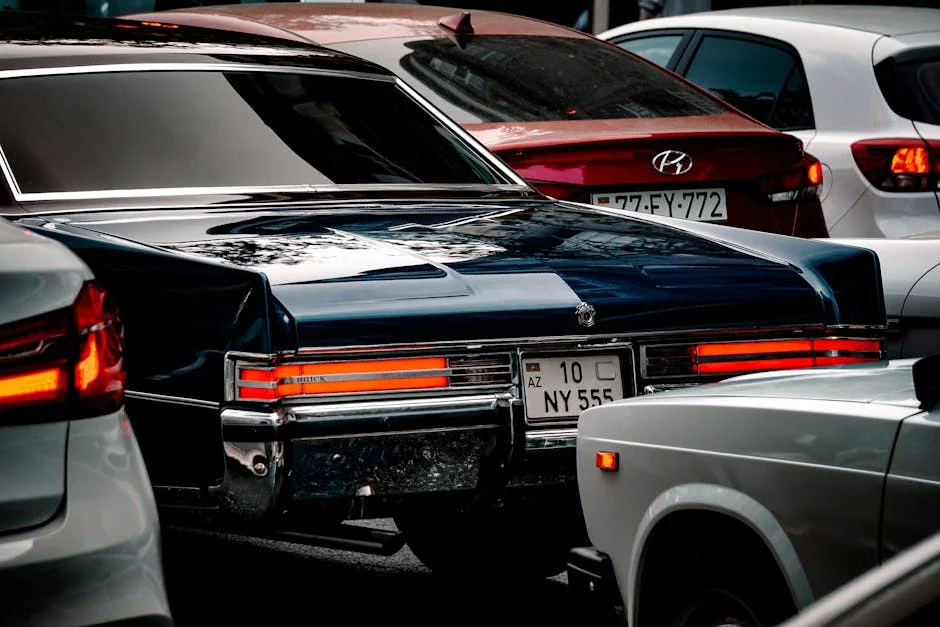
Regulatory records show this is not an isolated incident. Vehicle recalls in South Africa have risen over the past two years as stricter type-approval standards took effect under the Administrative Adjudication of Road Traffic Offences framework. The Tucson recall fits a broader pattern of regulators taking a harder line on automotive safety compliance.
Who Is Affected


The 337 vehicles span multiple model years, though officials have not released a full production date range pending owner notification. Hyundai South Africa's dealer network will handle the inspection and repair process at no cost to consumers. The company has set up a dedicated helpline for affected owners and is coordinating with the NCC to ensure compliance is completed within the statutory timeline.
Consumer Rights Under South African Law
South Africa's Consumer Protection Act gives vehicle owners the right to demand a full refund or replacement if a defect cannot be repaired within a reasonable timeframe. The NCC's recall order strengthens these rights by legally obligating the manufacturer to act. Consumer groups in Gauteng have already begun receiving enquiries from owners seeking clarification on their options.
Market and Dealer Implications
Hyundai is one of the top-selling brands in South Africa's passenger vehicle segment, competing directly with Toyota and Volkswagen for market share. The recall introduces operational pressure on the brand's local dealer network, which must absorb inspection costs and potential customer compensation claims. Analysts tracking the automotive sector say the financial impact on Hyundai South Africa will depend on how many vehicles actually require part replacements versus minor adjustments.
Residual values for affected Tucson models could dip in the short term as the recall becomes public knowledge. Auction data from Gauteng's vehicle remarketing centres typically shows a 3 to 5 percent decline for models under active recall notices. Dealers carrying used Tucsons on their lots may face pressure to disclose the recall status to prospective buyers.
Investor and Industry Perspective
Hyundai Motor Company, listed on the Korea Exchange, has not issued a specific statement regarding the South African recall as of the NCC's announcement date. The company's global recall history shows it has managed similar regulatory actions across multiple markets without significant lasting impact on share price. Industry observers note that recall costs are typically absorbed within existing warranty provisions and do not normally affect annual guidance.
The broader South African automotive retail sector is navigating headwinds including elevated interest rates and weakening consumer sentiment. A high-profile recall adds a layer of reputational risk for the brand in a market where trust is a key differentiator among price-competitive importers.
Regulatory Enforcement Trend
The NCC has ramped up enforcement activity following an internal review of its recall monitoring processes completed in the previous financial year. The regulator now cross-references vehicle registration data with manufacturer defect reports to identify potential safety issues that may otherwise go unreported by consumers. Industry sources say this data-matching approach has improved detection rates for defects affecting newer model ranges.
Other manufacturers selling vehicles in South Africa have faced similar recall actions in recent months, though none have involved a comparable number of units in a single directive.
What Affected Owners Should Do Next
Owners of affected Tucson vehicles will receive formal notification by registered post and email where contact details are on file. The NCC advises owners not to wait for official contact if they suspect their vehicle may be included in the recall. Checking the VIN against Hyundai South Africa's recall database is the fastest way to confirm eligibility for a free inspection.
The repair process is expected to take between one and three days depending on parts availability at individual dealerships. Hyundai South Africa has committed to providing courtesy vehicles during the repair period for customers whose vehicles are deemed unsafe to drive prior to rectification.
Watch for the NCC's formal recall registry update, expected within the next fortnight, which will include the full list of affected vehicle identification numbers and confirmed service centre locations across all nine provinces.
See Also
- Bayern Challenges PSG's Dominance — What It Means for UK Markets
- India Threatens to Exit $43 Billion Rafale Deal Over Software Control
A high-profile recall adds a layer of reputational risk for the brand in a market where trust is a key differentiator among price-competitive importers.Regulatory Enforcement TrendThe NCC has ramped up enforcement activity following an internal review of its recall monitoring processes completed in the previous financial year. Analysts tracking the automotive sector say the financial impact on Hyundai South Africa will depend on how many vehicles actually require part replacements versus minor adjustments.Residual values for affected Tucson models could dip in the short term as the recall becomes public knowledge.