A serving police officer has told investigators that a whistle-blower confessed to involvement in the theft of R200 million worth of cocaine, and acknowledged that officers from South Africa's elite Hawks unit may have been complicit in the crime. The allegation, which emerged during legal proceedings this week, has thrust the Directorate for Priority Crime Investigation into an embarrassing spotlight at a time when the unit is supposed to be leading high-profile anti-narcotics operations.
Officer's Testimony Alleges Confession
The officer, whose identity has not been disclosed, stated during testimony that the whistle-blower made admissions indicating knowledge of how the massive cocaine shipment went missing. The R200 million value attached to the vanished narcotics represents one of the largest alleged thefts from police custody in recent South African history. Sources familiar with the proceedings said the whistle-blower's alleged confession was made voluntarily and contained details that have since been corroborated in part by documentary evidence.
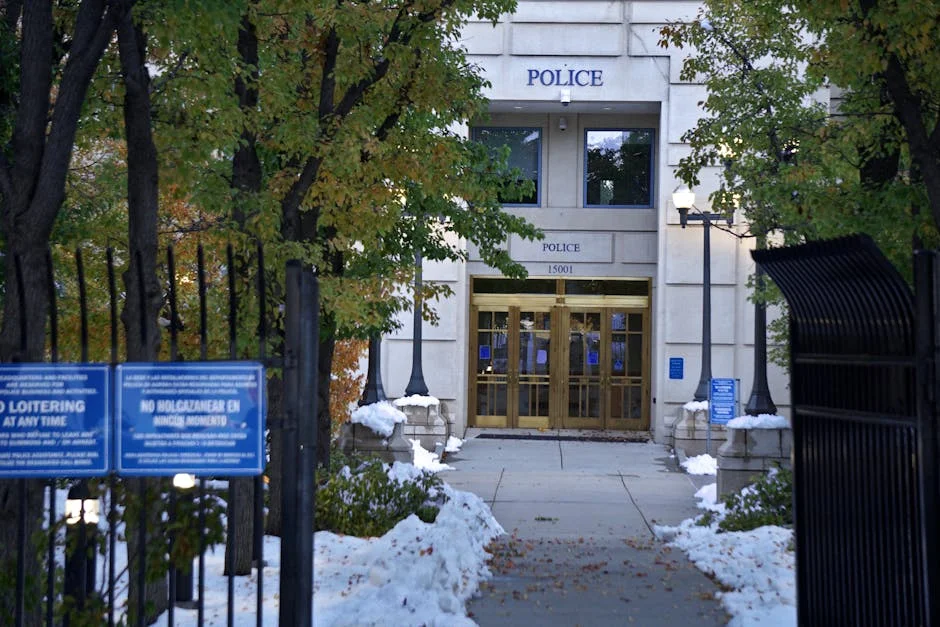
The officer went further, telling the court that certain Hawks personnel had access to the locations where the cocaine was stored, raising questions about internal oversight and accountability. The Directorate has not yet issued a formal response to the specific allegations, though a spokesperson indicated the matter is being treated with the utmost seriousness.
What the Hawks Actually Do


The Hawks, formally established under the Prevention and Combating of Corrupt Activities Act, operate as South Africa's dedicated priority crime investigation unit. Their mandate covers organised crime, racketeering, and narcotics trafficking — the very crimes this case involves. The unit falls under the National Police Commissioner and operates across nine provinces through specialized directorates.
Given their jurisdiction over serious crimes including drug trafficking, any suggestion that Hawks officers facilitated or protected a massive cocaine theft strikes at the credibility of the entire law enforcement framework. South Africa's multi-billion rand narcotics trade depends precisely on the integrity of agencies like the Hawks, and these allegations threaten to undermine public and investor confidence in the rule of law.
Why This Matters for Business and Investment
Corruption within law enforcement carries direct economic consequences that extend beyond courtroom drama. Foreign investors assessing South Africa's business environment evaluate the reliability of institutions, including police and crime-fighting agencies. When elite units face credible allegations of involvement in the crimes they are meant to investigate, the signal sent to capital markets is deeply negative.
South Africa's pharmaceutical and logistics sectors, both of which interact regularly with customs and law enforcement, face additional compliance burdens when confidence in investigative agencies erodes. Insurance companies pricing risk in the region must factor in the possibility that criminal networks may have protection from within the very agencies tasked with combatting them. The reputational damage to South Africa's justice system could complicate the country's negotiations with international financial institutions and development partners.
Investigation Timeline and Next Steps
The Independent Police Investigative Directorate has confirmed it is monitoring the proceedings closely. Any finding that Hawks officers were complicit in the cocaine theft would trigger mandatory disciplinary processes and could result in criminal referrals to the National Prosecuting Authority.
Court documents indicate that further testimony is scheduled over the coming weeks. Investigators are expected to request access to internal Hawks communications and movement records from the period when the cocaine is alleged to have disappeared. Legal observers say the whistle-blower's status in the proceedings remains unclear, and it is not yet known whether the individual will receive protection in exchange for full cooperation.
Wider Implications for South African Crime Fighting
The case arrives amid ongoing scrutiny of South Africa's crime-fighting capacity. The country recorded thousands of drug-related arrests last year, yet narcotics remain widely available in major urban centres. Critics have long argued that corruption within law enforcement — rather than a lack of resources — represents the primary obstacle to meaningful progress.
Business groups and chambers of commerce have repeatedly cited crime and corruption as among the most significant barriers to economic growth in the country. The current allegations, if substantiated, would provide concrete evidence for those arguments and intensify pressure on the government to demonstrate that even the most senior investigative bodies are not immune from accountability measures.
What to Watch Next
Several developments bear monitoring in the coming weeks. The whistle-blower's full testimony is expected to be heard by month's end, and investigators have indicated they will seek corroboration from financial records and communication logs. Any charges against Hawks officers would mark an unprecedented test of the unit's internal governance mechanisms. The Minister of Police is also expected to address Parliament on the matter, with opposition parties demanding an independent inquiry separate from the existing Hawks structures.
See Also
- UK Businesses Embrace AI Tools to Revolutionise Content Creation by 2025
- 76ers Dominate Celtics: How This Surging Team Could Affect Markets
What is the latest news about cop claims whistleblower confessed to r200m cocaine theft hawks officers implicated?
Why does this matter for economy-business?
What are the key facts about cop claims whistleblower confessed to r200m cocaine theft hawks officers implicated?