Security sources in Nigeria have revealed that soldiers stationed at Yashikira in Kwara State fled their posts when terrorists launched an assault on the community, only to establish an improvised checkpoint kilometres away where they demanded N100 from passing motorists. The incident, which occurred recently, has ignited outrage among local residents and raised serious questions about the Nigerian military's commitment to protecting civilians in conflict zones. The soldiers' decision to abandon their positions left the community exposed during a critical moment of danger.
Military Desertion During Active Attack
Eyewitnesses in Yashikira told local reporters that armed fighters approached the settlement during the early hours of the assault. Instead of engaging the attackers, the contingent of soldiers withdrew from their defensive positions and retreated to a road section several kilometres from the village. The community was left without professional security support as the terrorist group carried out its operation. Military officials have not yet issued a public statement addressing the specific incident or identifying any personnel involved.
The abandonment of military installations during hostile action represents a severe breach of operational protocol. Nigerian armed forces guidelines mandate that personnel defend assigned positions unless explicitly ordered to withdraw by commanding officers. Senior defence analysts have long warned that such behaviour erodes public trust in the military's ability to secure rural communities across the country's north-central regions. Kwara State has experienced increasing militant activity in recent years, placing additional pressure on garrison units operating in the area.
Improvised Checkpoint Extortion Scheme

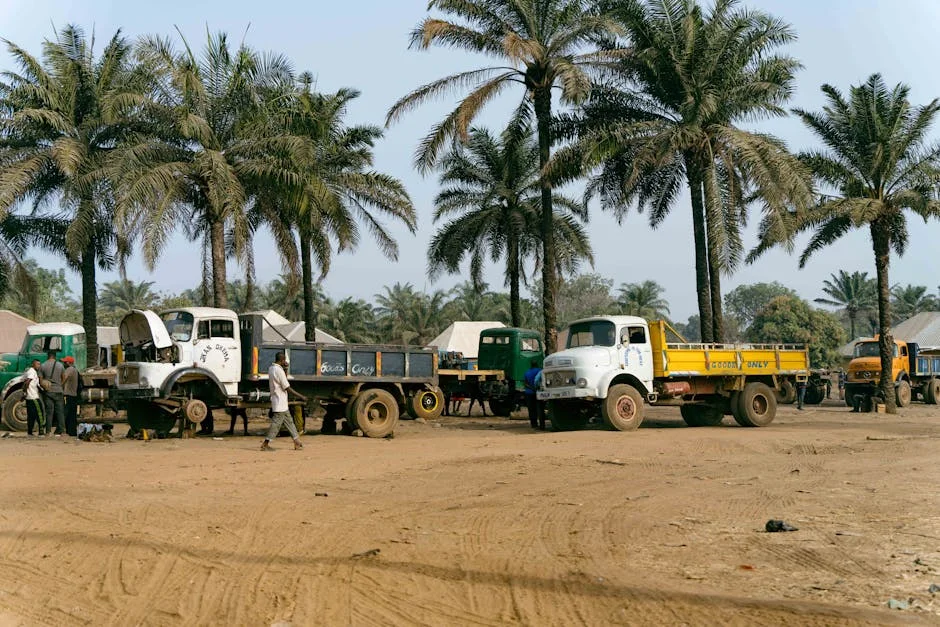
Within hours of abandoning Yashikira, the same group of soldiers set up an unofficial barrier on a major road used by commercial transporters and private vehicle owners. Motorists were stopped and forced to pay N100 before being permitted to continue their journeys. Commercial drivers reported that soldiers did not provide receipts or official documentation for the payments. The checkpoint operated without any visible command authorisation or legitimate law enforcement purpose.
The amount demanded, N100, represents a significant burden for low-income earners in rural Kwara, where daily wages often amount to only a few hundred naira. Local market traders who depend on road transport to move goods between communities described the extortion as adding financial strain at a time when economic conditions were already difficult. The checkpoint remained operational for an unspecified period before local authorities were alerted to its presence.
Community Response and Investigation
Residents of Yashikira expressed frustration and fear following the revelation. Community leaders wrote formal complaints to military headquarters in Abuja, demanding an investigation into the conduct of the soldiers involved. A local traditional ruler told journalists that his people felt betrayed by those sworn to protect them. The incident has also prompted discussions among civil society organisations about accountability mechanisms within the Nigerian armed forces.
Human rights monitors have called for the suspension of soldiers implicated in the extortion while investigations proceed. The Nigerian Army has previously established a provost corps and disciplinary committees to address allegations of professional misconduct, though critics argue that enforcement remains inconsistent. No arrests have been confirmed as of the time of reporting.
Economic Consequences for Transport Sector
The extortion scheme carries direct economic implications for Kwara State's transport sector. Commercial vehicle operators operate on thin profit margins, and additional informal charges reduce their earnings while increasing the cost of moving goods across the region. Economists note that informal road levies, when widespread, contribute to inflation in food markets as transporters pass higher operational costs to consumers.
Small businesses in rural communities depend on reliable and affordable transport links to source supplies and sell products. The breakdown in security at Yashikira and the subsequent extortion point may discourage some traders from using certain routes, potentially creating supply disruptions for essential goods. Insurance premiums for vehicles operating in affected areas could also rise as companies factor in elevated security risks.
Impact on Investor Sentiment
Foreign businesses evaluating investment opportunities in Nigeria's north-central region will likely view the incident as a red flag for operational risk. Corporate investors typically conduct thorough security assessments before committing capital to new projects, and reports of military personnel abandoning posts undermine confidence in state-provided security infrastructure. Nigeria has been working to attract foreign direct investment to support its diversification strategy away from oil dependence.
Local entrepreneurs in Kwara State face compounded challenges when state security actors become part of the problem rather than the solution. Business confidence requires predictability, and arbitrary extortion checkpoints create uncertainty that complicates supply chain planning. The Nigerian economic recovery plan depends partly on creating an environment where private sector growth can proceed without undue interference or protection costs.
Broader Security Concerns in the Region
The Yashikira incident reflects ongoing challenges in Nigeria's counter-insurgency operations against various armed groups operating in the Middle Belt. Kwara State shares boundaries with several states that have experienced significant violence, and analysts warn that military fatigue and low morale among some units may be contributing to lapses in professional conduct. The government has invested substantially in military hardware and personnel deployment, yet incidents of desertion and extortion continue to surface.
Defence spending represents a significant portion of Nigeria's national budget, and taxpayers expect measurable returns in the form of enhanced security. When soldiers divert attention from their primary mission to personal enrichment, the effectiveness of security expenditures diminishes. Military strategists argue that better pay, improved welfare conditions, and stronger command oversight could address some underlying causes of misconduct.
What Happens Next
The Nigerian Army's public relations division has indicated that an internal review is underway, though no timeline for its completion has been announced. Human rights groups and local officials are pushing for the findings to be made public and for disciplinary action against those responsible. Residents of Yashikira remain wary, with some questioning whether additional security measures will be deployed to protect the community going forward.
Watch for statements from the Defence Headquarters in Abuja regarding any personnel changes or reforms prompted by the incident. The outcome of the investigation will signal whether Nigeria's military command is prepared to enforce accountability for soldiers who abandon their posts or engage in extortion. For businesses and investors monitoring conditions in the region, the military's response will serve as an indicator of institutional reliability.
See Also
- Man City's Squad Rotation Exposes the £2.5 Billion Premier League Revenue Model
- Dylan Harper Advances to NBA Finals — Boosting US Sports Market Expectations
Broader Security Concerns in the Region The Yashikira incident reflects ongoing challenges in Nigeria's counter-insurgency operations against various armed groups operating in the Middle Belt. Kwara State shares boundaries with several states that have experienced significant violence, and analysts warn that military fatigue and low morale among some units may be contributing to lapses in professional conduct.