Johannesburg — The South African Revenue Service has identified four sophisticated scams targeting taxpayers during this year's tax season, with fraudsters deploying increasingly convincing tactics to steal personal information and drain bank accounts. The scams, which range from phishing emails to fake refund offers, have already cost thousands of South Africans significant sums, according to SARS officials monitoring the situation.
The revenue service is warning taxpayers across the country to remain vigilant as the July 31 filing deadline approaches, when millions of South Africans submit returns and are most vulnerable to fraudulent approaches. Criminals are taking advantage of the annual rush, impersonating SARS officials with alarming precision, the agency confirmed.
The Fake SARS Email Scam
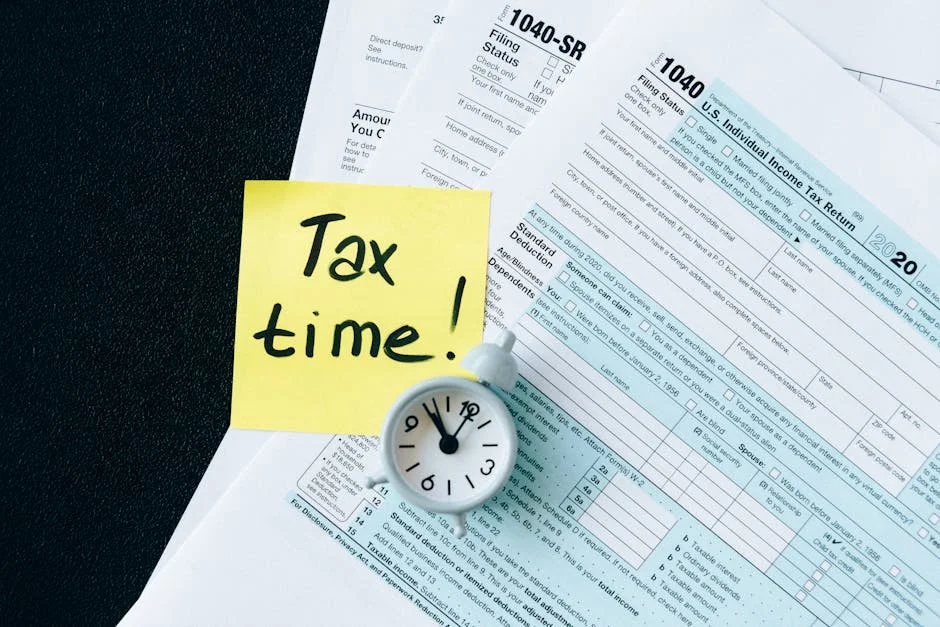
The most prevalent scheme involves emails purporting to come from SARS, complete with official logos and convincing language. These messages typically claim the recipient is owed a tax refund and direct them to a link to "claim" the money. The link leads to a website designed to harvest banking credentials and identity documents. SARS stated it never sends refund notifications via unsolicited email, and all legitimate correspondence comes through the myTax portal.
In Cape Town and Durban, local authorities have recorded a surge in complaints from residents who received these emails in recent weeks. The South African Banking Risk Information Centre confirmed that several victims transferred money to fraudsters believing they were updating their SARS profile details.
The WhatsApp And SMS Fraud Wave


Fraudsters have expanded beyond email, using WhatsApp and text messages to reach taxpayers directly. These messages often claim the recipient's tax return has been "flagged" and requires immediate action to avoid penalties. The urgency is deliberate, SARS warned, designed to panic people into responding without thinking.
The messages typically include a phone number or link for the recipient to "verify" their details. Those who call are asked for their ID number, banking information, and SARS eFiling password. Criminals then use this data to file fraudulent returns and steal refunds, or to access bank accounts directly.
How SARS Communicates Genuinely
SARS uses only two official channels for taxpayer communication: the myTax online portal and registered post delivered to the address on file. The agency never requests banking details, PIN numbers, or passwords via phone, email, or messaging apps. Taxpayers who receive suspicious contact should forward the message to [email protected] and delete it immediately.
The Outstanding Tax Debt Scare
Another common scam involves phone calls or messages claiming the recipient has an outstanding tax debt that must be paid immediately to avoid arrest or legal proceedings. The caller often threatens immediate action and demands payment through unusual methods such as gift cards, cryptocurrency, or wire transfers.
SARS emphasized that it never demands immediate payment through such channels, nor does it threaten arrest as a first step in debt collection. The agency follows a formal process involving written notices and opportunity to dispute amounts before any enforcement action. Tax professionals in Pretoria and Johannesburg report that elderly clients are particularly targeted with this scam, with some losing retirement savings.
The Fake Tax Practitioner Scheme
Perhaps the most damaging long-term scam involves fake tax practitioners who offer to file returns on behalf of taxpayers. These fraudulent agents charge upfront fees, file incorrect or inflated returns, and in some cases use client details for identity theft. SARS has noted an increase in complaints from taxpayers whose refunds were delayed or rejected because their "practitioner" filed fraudulent claims.
The revenue service maintains a list of registered tax practitioners on its website. South Africans seeking help with their returns should verify that anyone offering assistance appears on the official register. Using an unregistered practitioner not only risks financial loss but can result in penalties and investigation by SARS.
Economic Impact And What To Watch
The Financial Sector Conduct Authority estimates that tax-related fraud costs South Africans hundreds of millions of rand annually, though the full scale remains difficult to quantify as many victims do not report the crime. Beyond individual losses, the scams undermine confidence in the tax system and can delay legitimate refunds for those whose identities have been compromised.
For businesses, the scams create additional complications. Employers whose employees fall victim may face delays in receiving tax certificates needed for loan applications and tenancy agreements. The knock-on effects ripple through the economy, particularly in communities where cash flow is already tight.
SARS has expanded its fraud detection team and is working with telecommunications companies to shut down scam phone numbers. The revenue service is also piloting a new verification system that will flag suspicious filing patterns before refunds are released.
Taxpayers have until July 31 to file returns, and SARS is urging anyone who believes they may have been targeted to contact the fraud hotline immediately. The revenue service has stated it will not hold legitimate filers responsible for fraud committed using their details, but acting quickly is essential to minimize damage. Those who have already responded to suspicious contact should notify their banks, change all passwords, and monitor their accounts for unusual activity.
See Also
- Pitso Mosimane Signs for Kaizer Chiefs — Club’s Valuation Set to Surge
- AIMIM Launches Door-to-Door Campaign to Boost SIR Mapping Efforts
Economic Impact And What To Watch The Financial Sector Conduct Authority estimates that tax-related fraud costs South Africans hundreds of millions of rand annually, though the full scale remains difficult to quantify as many victims do not report the crime. The caller often threatens immediate action and demands payment through unusual methods such as gift cards, cryptocurrency, or wire transfers.
What is the latest news about sars exposes four tax scams targeting south africans this season?
Why does this matter for economy-business?
What are the key facts about sars exposes four tax scams targeting south africans this season?