Senior Nigerian officials, led by Minister Godswill Akpabio, have joined forces with military generals and alumni from the National Defence College to announce a comprehensive push to enhance border security across the country. The initiative, unveiled in Abuja, seeks to address longstanding challenges including smuggling, irregular migration, and cross-border criminal activity that have plagued Nigeria's frontiers for years.
Military Leadership Backs the Security Push
Akpabio convened the meeting alongside several serving generals, drawing on their operational experience to shape a more robust approach to protecting Nigeria's borders. The National Defence College Alumni Association provided strategic input, leveraging expertise from officers trained in advanced security and defence methodologies.
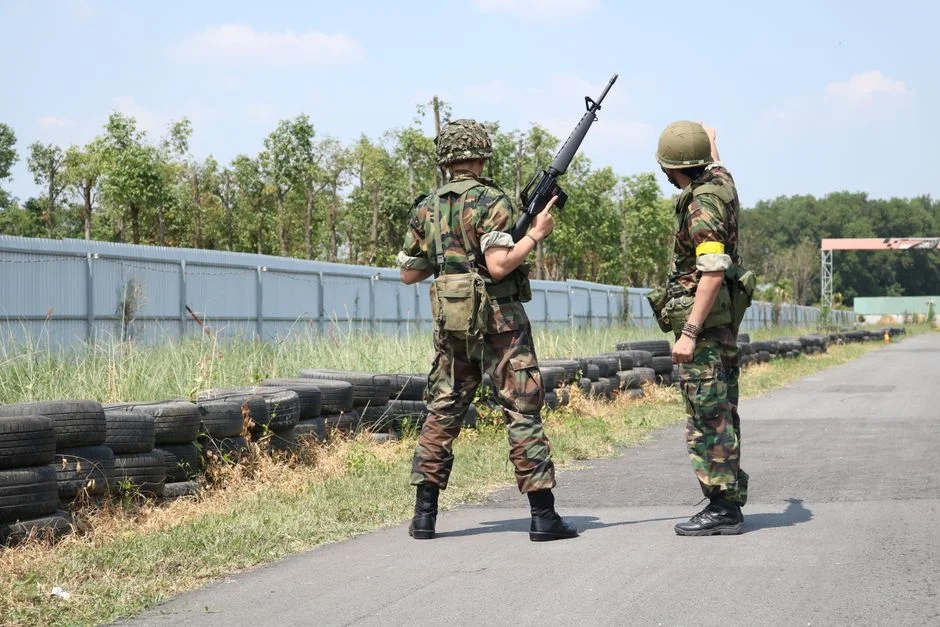
The collaboration marks a departure from previous siloed approaches, bringing together political leadership and military expertise under a unified framework. Officials say the involvement of seasoned generals ensures the strategy reflects real-world operational realities rather than purely administrative considerations.
Economic Stakes Driving the Initiative
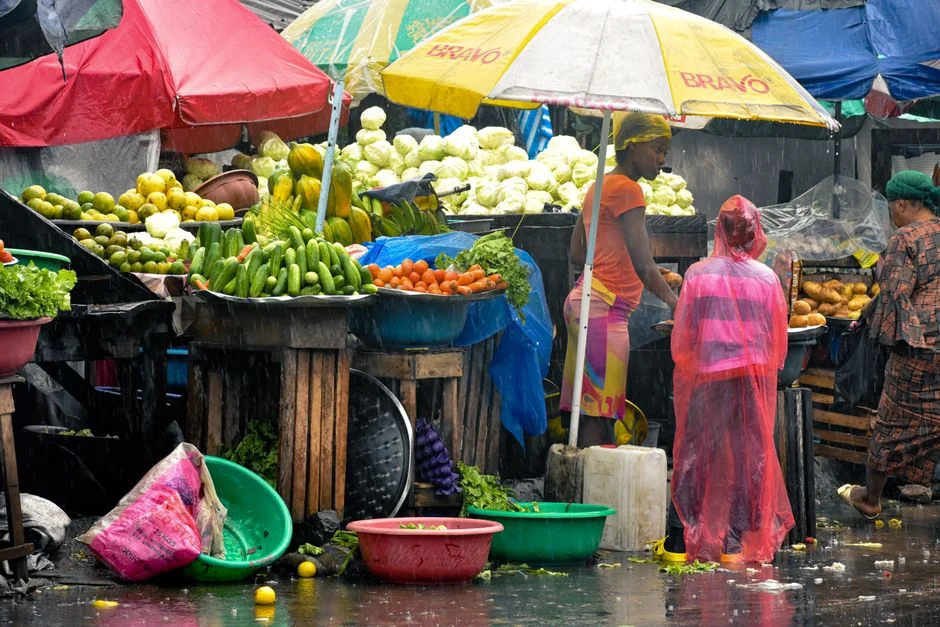

Border insecurity has exacted a measurable toll on Nigeria's economy. Smuggling operations divert billions of naira in potential customs revenue each year, undermining government spending capacity at a time of acute fiscal pressure. Legitimate businesses compete unfairly against contraband goods flooding markets across border states.
The government estimates that enhanced border controls could recover substantial lost revenue within the first year of full implementation. Manufacturing sectors, particularly those producing goods that face intense competition from smuggled alternatives, stand to benefit most from a more level trading environment.
Trade Implications for Key Sectors
Agriculture remains particularly vulnerable to border-related challenges. Subsidised foreign products frequently enter Nigeria through porous checkpoints, depressing prices for local farmers and discouraging investment in domestic production. The new security push aims to create conditions where Nigerian producers can compete on equal terms.
Petroleum products represent another critical focus area. Fuel smuggling drains state resources and complicates subsidy management, a persistent headache for finance ministry officials wrestling with ballooning expenditure. Tighter border controls could reduce these losses substantially.
Investor Confidence Hinges on Border Stability
Foreign investors have long cited insecurity, including border-related risks, as a factor in their assessment of Nigeria's investment climate. The coordinated approach announced by Akpabio and the military leadership sends a signal that the government is taking these concerns seriously.
Business groups have welcomed the initiative, noting that predictable borders reduce risk premiums attached to Nigerian investments. Insurance costs, financing terms, and supply chain planning all improve when companies can rely on more stable trading conditions at frontier points.
The timing matters. Nigeria faces pressure on its currency and inflation remains elevated. Anything that strengthens the macroeconomic foundation, including improved border management, carries weight with the Central Bank and international financial institutions watching the country's economic trajectory.
Implementation Timeline and Operational Priorities
Authorities have identified several border regions for immediate усиление, prioritising areas where smuggling networks are most entrenched. Joint patrol teams will combine resources from multiple security agencies, ending the fragmentation that criminal networks have historically exploited.
Technology deployment features prominently in the strategy. Surveillance systems and data-sharing platforms should enable faster response times and better intelligence coordination. The National Defence College connection ensures the initiative draws on academic expertise in security studies and strategic planning.
Customs officials will receive additional training and resources, addressing longstanding complaints about inadequate staffing and outdated equipment at remote border posts. The government has committed to improved conditions for personnel serving in challenging frontier locations.
What Comes Next
The first phase of enhanced operations launches within the next 60 days. Independent monitoring mechanisms will track progress against defined benchmarks, with quarterly reviews adjusting tactics based on results. Civil society groups have requested involvement in oversight processes to ensure accountability.
Regional neighbours will be consulted as implementation proceeds. Nigeria's borders touch several countries, and coordinated approaches with Benin, Niger, Chad, and Cameroon could amplify effectiveness. Diplomatic channels are already being activated to explore cooperation frameworks.
Markets will scrutinise early results closely. Any visible impact on customs revenue collections or commodity prices will shape sentiment toward Nigerian assets. The coming months will determine whether this represents a turning point or another well-intentioned initiative that fails to deliver meaningful change on the ground.
See Also
- Tashinga Skepa Inspires Strand Residents by Regaining Mobility After Surgery
- GitHub Charges Copilot Users by AI Usage — How It Impacts Tech Markets
The National Defence College connection ensures the initiative draws on academic expertise in security studies and strategic planning.Customs officials will receive additional training and resources, addressing longstanding complaints about inadequate staffing and outdated equipment at remote border posts. Any visible impact on customs revenue collections or commodity prices will shape sentiment toward Nigerian assets.
What is the latest news about akpabio and military chiefs launch border security push across nigeria?
Why does this matter for economy-business?
What are the key facts about akpabio and military chiefs launch border security push across nigeria?