A Tanzanian-born refugee who spent five years in Bayern Munich's youth system has abandoned the German club to pursue international football with Australia, igniting debate about talent pipelines, investment strategies, and what the move means for the global transfer market.
From Dar es Salaam to Munich
Garang Kuol arrived in Germany as a refugee from Tanzania at the age of eight. He joined Bayern Munich's academy in 2019, rising through the youth ranks before signing his first professional contract in 2022. Club sources confirmed he departed Bavaria in January, with his representatives declining to specify the terms of his exit.
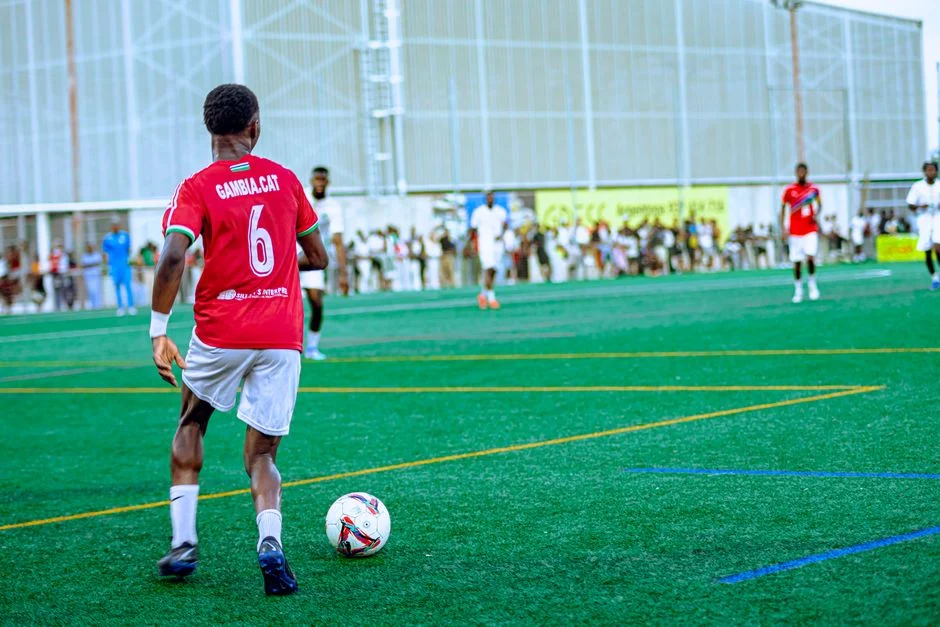
The 19-year-old forward has represented Australia at youth international level, scoring against France in the 2023 Under-20 Asian Cup. Football Federation Australia confirmed it had submitted his FIFA nationality switch request in December.
Why Bayern Let Him Go

Bayern Munich's decision to release Kuol reflects a broader pattern among European clubs reassessing their foreign youth talent strategies. The club recently streamlined its development programme, cutting approximately 30 positions from its academy operations amid rising costs.
Sources close to the club said Kuol had not broken through to the senior squad despite consistent performances for Bayern Munich II in the 3. Liga. His contract, originally running until 2025, was terminated by mutual consent.
Economic Reality Behind Youth Recruitment
European clubs face mounting pressure to demonstrate return on investment in youth development. The average cost of maintaining one academy player through to professional level now exceeds €500,000 annually, according to UEFA's 2023 financial report. Clubs increasingly prioritise players who can provide immediate squad depth rather than long-term projects.
Bayern's academy has produced several world-class talents, but Kuol's path was complicated by his refugee status and the lengthy FIFA eligibility process for players switching national associations.
Australia's Strategic Push
Football Federation Australia has made diaspora recruitment a cornerstone of its national team strategy. The country's director of football, Geoff Thompson, confirmed the federation had been monitoring Kuol's progress for three years.
Australia currently sits 24th in FIFA's world rankings and faces a challenging qualification path for the 2026 World Cup, which will expand to 48 teams. The Socceroos have targeted dual nationals and internationally-born players to bolster their squad depth.
Kuol joins a growing list of Australian-qualified players who developed abroad, including winger Martin Boyle, who was born in Scotland but has become a key figure in the national team setup.
What This Means for the Transfer Market
Kuol's move to Australian football represents a rare reverse migration pattern. Typically, Australian players leave for European clubs; Kuol is heading in the opposite direction after European development.
Transfer market analysts suggest the deal, though modest in fee, signals a shift in how smaller football nations compete for talent. Australian clubs have historically struggled to attract players developed in Europe's elite academies due to lower salary structures.
Central Coast Mariners, his destination club, will pay a reported €300,000 development fee to Bayern Munich. The A-League side has secured a sell-on clause, entitling it to a percentage of any future transfer.
The Refugee Narrative
Kuol's journey resonates beyond football economics. He is among a generation of refugee athletes navigating complex eligibility rules, national identity, and professional opportunity.
The International Refugee Assistance Project estimates that fewer than 200 refugee-born footballers have represented nations other than their country of birth at senior international level since 2000. The figure highlights the bureaucratic and social barriers facing players like Kuol.
FIFA's eligibility regulations require players to demonstrate a genuine link to their adopted country through residence, parentage, or grandparentage. Kuol qualified through his mother's Australian citizenship.
What Happens Next
FIFA's Players' Status Committee is expected to ratify Kuol's nationality switch within six weeks. Once approved, he becomes eligible for the Socceroos' World Cup qualifiers beginning in March.
Central Coast Mariners begin their A-League season on 18 October. Kuol is expected to feature prominently under coach Nick Montgomery, who described the signing as "a statement of intent" for the club.
The coming months will test whether Kuol can translate European training into domestic success. If he performs, European clubs will likely monitor his progress ahead of the 2025 transfer window. Australia, meanwhile, will watch closely—one player could alter its World Cup trajectory.
See Also
- Issy Wong Scan Triggers England Cricket Betting Volatility
- Ligue 1 Awards: Paris Star Power Drives Commercial Value
What is the latest news about tanzanian refugee quits bayern munich for australian world cup dream?
Why does this matter for society-culture?
What are the key facts about tanzanian refugee quits bayern munich for australian world cup dream?