Gunmen launched an assault on Niger's main international airport on Saturday, marking the second such attack in as many months and compounding concerns about the West African nation's stability during a period of profound political transition.
Attack Targets National Infrastructure
The assault on the airport serving Niamey — Niger's capital and largest city — comes less than six months after militants carried out a similar strike on the same facility. Authorities confirmed that security forces responded to the incident, though full details of the casualty toll and structural damage remained emerging on Sunday morning.
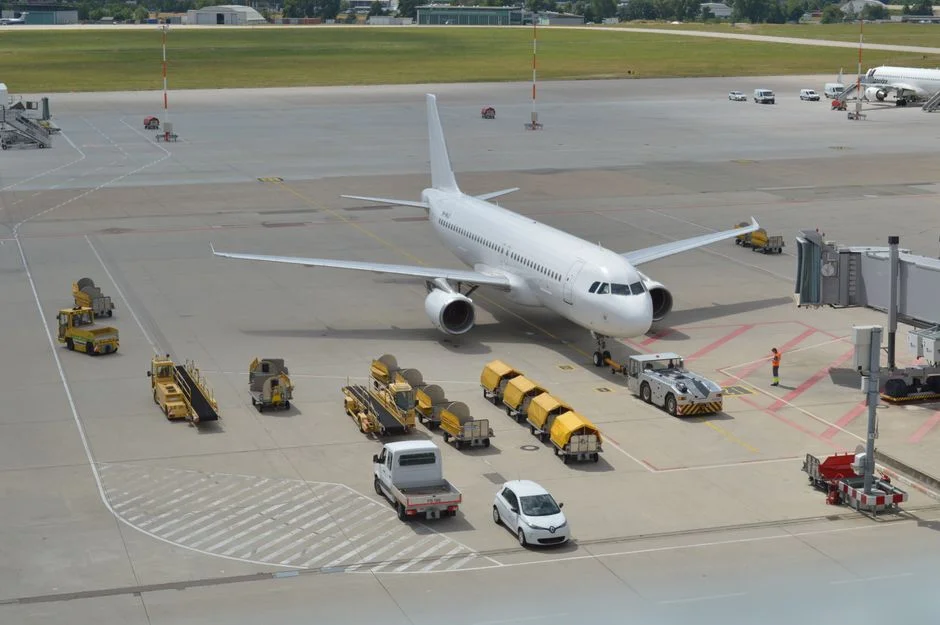
Niger has become a focal point for Islamist insurgencies that have spread across the Sahel region since 2020, with militants linked to both al-Qaeda and the Islamic State group establishing footholds in the country's vast arid interior. The airport serves as a critical hub for both commercial aviation and military logistics, including French and American counter-terrorism operations.
Political Turmoil Compounds Security Worries
The timing of the attack is particularly sensitive. Niger remains in the grip of a political crisis that began in July when military officers ousted President Mohamed Bazoum. The junta has since expelled French military forces and pivoted toward closer ties with Russia, rattling Western allies who view the country as a cornerstone of Sahelian security architecture.
Regional bloc ECOWAS imposed sweeping sanctions following the coup, though some of those measures have since been relaxed as diplomatic efforts continue. The airport assault now threatens to derail those fragile talks, with ECOWAS officials warning that continued instability could trigger renewed economic isolation.
Military Presence Under Scrutiny
The Niamey airport hosts French and American military contingents that conduct intelligence, surveillance, and logistical operations against insurgent groups across the Sahel. Any sustained disruption to airport operations could constrain these missions, officials acknowledged. The United States maintains a drone base at a separate location near Agadez, but Niamey remains the primary gateway for personnel and equipment rotations.
Nigerien military authorities have yet to issue a detailed public statement attributing responsibility for the attack. Previous assaults in the region have been claimed by JNIM, an al-Qaeda affiliate that operates across Mali, Burkina Faso, and Niger.
Economic Fallout for a Fragile Economy
Niger's economy was already under severe strain before Saturday's attack. The landlocked nation ranks among the world's poorest countries by income per capita, with chronic food insecurity affecting millions of households. Disruptions to air connectivity — even temporary — carry disproportionate consequences for aid deliveries, commercial imports, and business travel.
Regional aviation analysts noted that insurance premiums for Niger operations have climbed steadily since the July coup. A second major airport attack within half a year will likely accelerate that trend, raising costs for airlines and freight operators who continue serving the route.
Foreign direct investment into Niger has contracted sharply since the political upheaval began. Business councils representing European and American companies operating in the country reported last month that several firms were reviewing their operational footprint, with security conditions cited as the primary factor.
Regional Dimensions of the Crisis
The attack underscores the accelerating deterioration of security across the broader Sahel band stretching from Senegal to Sudan. Mali experienced two coups in under eighteen months. Burkina Faso saw its own military takeover in 2022. Together, these upheavals have created a vast zone of instability that complicates humanitarian access and deters private sector engagement.
Development partners including the World Bank and African Development Bank have paused new lending commitments pending clarity on Niger's political trajectory. Debt sustainability assessments will need revision if the security situation continues deteriorating, economists warned.
What Comes Next
Junta leaders face mounting pressure to demonstrate they can protect critical national infrastructure. The junta's leadership convened an emergency security council session on Saturday evening, according to state media. A public statement with fuller details of the incident and any casualties was expected on Sunday.
For investors and businesses with exposure to Niger or the wider Sahel, the attack reinforces the case for contingency planning. The question is no longer whether regional risk has increased, but how quickly companies can adapt supply chains and personnel policies to reflect a new normal of recurrent violence targeting economic assets.
See Also
- Alexforbes Exposes Surge in Two-Pot Pension Withdrawals — And the Numbers Are Staggering
- Cape Town Arrests Uchenna Chigioke in Major Human Trafficking Crackdown