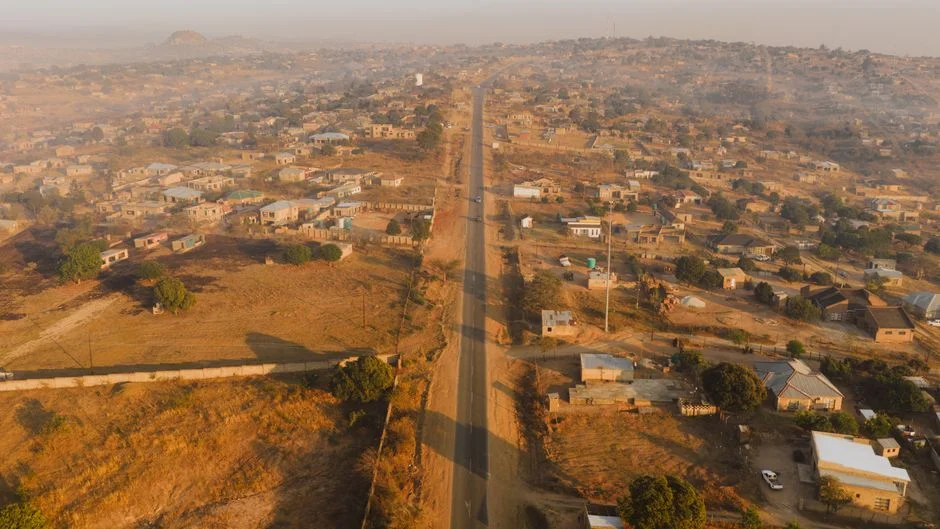
Tanzania has set its sights on becoming sub-Saharan Africa's leading pharmaceutical manufacturer, according to a government strategy published by the Daily News. The east African nation is betting that domestic drug production will reduce its dependence on imported medicines and create thousands of skilled manufacturing jobs over the next decade.
The initiative arrives as African countries grapple with chronic shortages of essential medicines, a problem laid bare during the COVID-19 pandemic when wealthy nations hoarded vaccine supplies. Tanzania's government believes local production can address both public health vulnerabilities and drive economic growth in one move.
The Current Import Dependency Problem

For years, Tanzania has relied heavily on imported pharmaceuticals, with the vast majority of drugs crossing its borders from India, China, and Europe. Local manufacturers currently supply only a fraction of the national market, leaving the country exposed to supply chain disruptions and currency pressures that drive up prices for consumers.
The problem extends beyond Tanzania's borders. Across the continent, African nations import roughly 70 percent of their pharmaceutical products, spending billions of foreign currency annually on medicines that could be produced domestically. Tanzania's leadership argues this represents both a market failure and an economic opportunity waiting to be seized.
Industry analysts point to unreliable supply chains as a persistent headache for healthcare systems. When foreign manufacturers face production bottlenecks or export restrictions, Tanzanian hospitals and pharmacies bear the consequences through stockouts of critical medications.
Tanzania's Manufacturing Strategy


The government has outlined targets for increasing domestic pharmaceutical output over the coming years, with officials pointing to existing industrial zones near Dar es Salaam as potential sites for new drug manufacturing facilities. The strategy prioritises production of generic medicines used to treat common conditions including malaria, tuberculosis, and respiratory infections.
Authorities are offering incentives to attract both domestic and foreign investment into the sector. Tax breaks, streamlined regulatory approvals, and access to industrial land are among the measures being promoted to make Tanzania competitive with established pharmaceutical producers on the continent.
Investment Incentive Framework
The Ministry of Industry and Trade is coordinating with the Tanzania Medicines and Medical Devices Authority to accelerate licensing for new manufacturing operations. Officials say the dual goal is to ensure drug safety while removing bureaucratic obstacles that have slowed previous attempts to expand local production capacity.
Pharmaceutical companies surveyed by industry groups have identified predictable regulation and infrastructure reliability as their primary concerns when evaluating African manufacturing locations. Tanzania's government acknowledges it must address both to succeed in its ambitions.
Market Opportunity for Investors
The African pharmaceutical market is projected to grow significantly over the next fifteen years, driven by population growth, urbanisation, and expanding health insurance coverage across the continent. Tanzania's positioning as a manufacturing base could serve not only domestic needs but also export markets in neighbouring Burundi, Rwanda, Uganda, and beyond.
Several multinational drug makers have signalled interest in establishing African production capacity, responding to both commercial incentives and pressure to address vaccine and medicine equity concerns raised during recent global health emergencies. Tanzania's strategy aims to position itself as an attractive partner for such arrangements.
Local business groups see opportunity in the supply chain that would develop around major manufacturing plants. Packaging firms, logistics companies, and raw material suppliers would all benefit from increased pharmaceutical production, creating a broader industrial ecosystem beyond the drug makers themselves.
Infrastructure and Workforce Challenges
Despite the optimism, significant obstacles remain. Reliable electricity supply remains a concern in parts of the country, and pharmaceutical manufacturing requires uninterrupted power to maintain quality standards. Transport networks connecting industrial areas to ports and distribution hubs need upgrading to handle increased freight volumes efficiently.
Workforce development presents another hurdle. While Tanzania has a growing pool of university graduates, specialised training programmes for pharmaceutical manufacturing technicians and quality control specialists require expansion. Industry representatives argue that partnerships with universities and technical colleges should be a priority alongside physical infrastructure investments.
Regulatory capacity must also grow in tandem with manufacturing ambition. Drug safety requires robust testing facilities and inspector corps capable of monitoring production standards across multiple facilities. Tanzania's medicines authority has requested additional funding to expand its technical staff and laboratory equipment.
Regional Competition and Cooperation
Tanzania is not alone in pursuing pharmaceutical manufacturing leadership. South Africa, Kenya, Ethiopia, and Rwanda have all announced initiatives to expand domestic drug production, creating a competitive environment for investment and expertise. The African Union's pharmaceutical manufacturing plan provides a framework for coordination, but individual countries remain rivals for the same pool of investors and technology partners.
Some analysts see potential for a regional specialisation model where different countries focus on different product categories rather than competing across the entire pharmaceutical range. Tanzania's strategy document references this possibility, though specific arrangements with neighbouring countries have not yet been finalised.
The East African Community trade bloc offers a potential platform for harmonising pharmaceutical regulations and facilitating cross-border medicine sales. Progress on this front would strengthen Tanzania's case for serving regional markets from a domestic manufacturing base.
What Happens Next
The government has indicated it will publish detailed implementation guidelines by the end of the current financial year. Those guidelines will clarify the timeline for incentive schemes, land allocation processes, and regulatory pathways for new manufacturing licences.
Prospective investors and pharmaceutical companies are watching closely for concrete details on tax treatment, export processing zone eligibility, and intellectual property arrangements. Vague policy statements have previously failed to attract meaningful investment; this round of communication appears designed to provide the specificity that previous efforts lacked.
The next twelve months will test whether Tanzania's pharmaceutical ambitions translate into ground-level activity. First breaking of soil on new facilities, announcement of joint ventures with established drug manufacturers, and formalisation of training partnerships with universities will serve as early indicators of progress.
For businesses and investors tracking African industrial development, Tanzania's experience will offer lessons on whether policy ambition can be converted into tangible manufacturing capacity in one of the world's most promising but challenging markets.
See Also
- Westridge Child Ambassador Triston Fortune Joins USA Leadership Programme
- Beleza Hails Santos' Loyalty in Supporting Carneiro — Markets React to Political Stability
What is the latest news about tanzania launches push to dominate africas pharmaceutical manufacturing sector?
Why does this matter for economy-business?
What are the key facts about tanzania launches push to dominate africas pharmaceutical manufacturing sector?