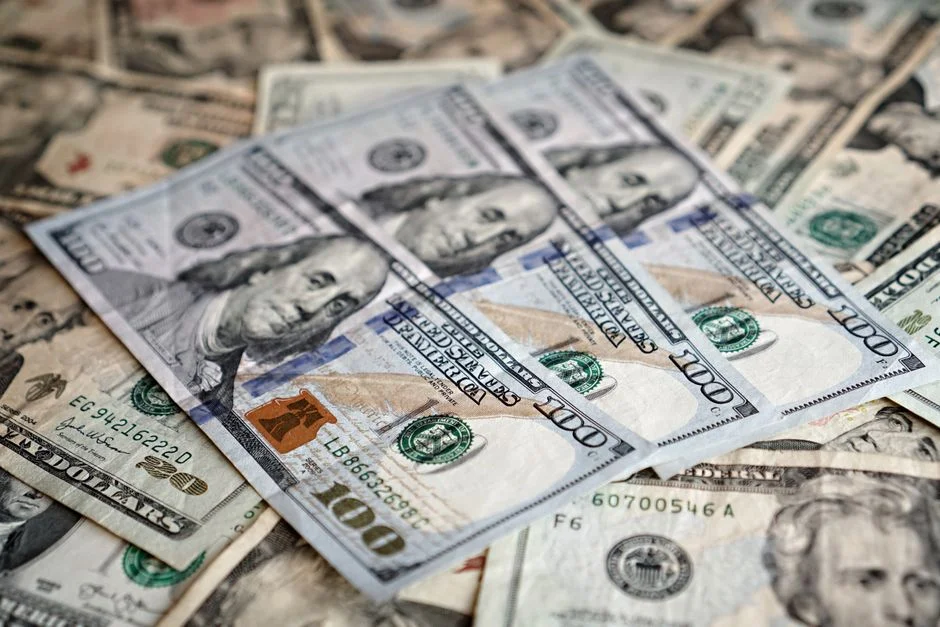
President Donald Trump launched his most aggressive trade offensive since returning to office, imposing sweeping tariffs on major exporting nations across Asia and Europe. The move sent shockwaves through global markets on Thursday, but traders quickly spotted an unexpected beneficiary: South Africa. Analysts say Pretoria appears to have secured preferential treatment under the new regime, potentially giving its exporters a significant competitive advantage over rivals in the same sectors.
White House Unveils Broad Trade Offensive
Trump announced the new tariff structure in a Rose Garden address, framing the measures as essential to protecting American workers and industries. The administration targeted countries with large trade surpluses with the United States, imposing duties ranging from basic commodities to manufactured goods. Trade officials confirmed the measures would take effect within 30 days, forcing companies worldwide to recalculate their supply chains and pricing strategies.
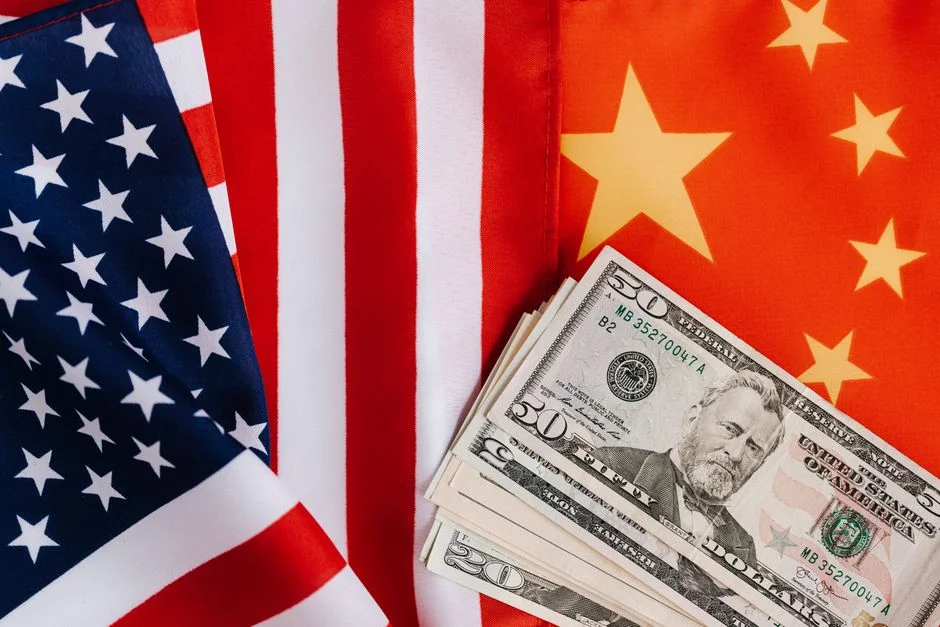
The announcement triggered immediate reactions across financial markets. Asian equity indices fell sharply in overnight trading, while European markets opened lower as investors digested the potential impact on export-dependent economies. The dollar strengthened against most emerging market currencies as traders sought safer assets.
South Africa Emerges as Unexpected Winner


Within hours of the announcement, trade economists began highlighting a conspicuous gap in the tariff schedule. South African exports appeared to face significantly lower duties than competitors in comparable markets. The country's mineral exports, agricultural products, and manufactured goods seem to benefit from special considerations embedded in the new trade framework.
Government officials in Pretoria declined to confirm specific negotiations, but sources familiar with the discussions told local media that months of quiet diplomacy had preceded the announcement. South Africa's strategic minerals, particularly those critical to electric vehicle batteries and renewable energy technology, appear central to the arrangement.
The Strategic Minerals Factor
South Africa sits on vast deposits of platinum group metals essential for clean energy technology. The country produces roughly 70 percent of the world's platinum and a substantial share of palladium and rhodium. These materials have become increasingly vital as Western governments push to reduce dependence on Chinese supply chains for critical minerals.
Trade analysts say this leverage gave Pretoria unexpected bargaining power. While larger economies faced punitive measures, South Africa's control over minerals deemed strategic for national security apparently earned it softer treatment. The arrangement mirrors similar deals being negotiated across the minerals sector, where supply security trumps traditional tariff calculations.
Competitors Face Steep Disadvantages
Countries competing directly with South Africa in mineral exports now confront a stark reality. Exporters from Russia, Zimbabwe, and other platinum-producing nations face full tariff exposure, while South African producers enjoy preferential access to American markets. Industry executives say this creates an immediate competitive distortion worth billions of dollars annually.
Mining companies listed in Johannesburg saw their share prices jump following the announcement. The FTSE/JSE Mining Index rose more than 4 percent in Thursday's session, outpacing the broader market by a wide margin. Investors are reassessing South African assets as the trade landscape reshapes itself around strategic supply considerations rather than pure economics.
Market Implications for Investors
The developments present both opportunities and risks for portfolio managers. South African assets are suddenly more attractive relative to competitors, but the arrangement's durability remains uncertain. Trade experts warn that the administration has shown willingness to renegotiate deals quickly when political priorities shift.
Currency markets reflected the shifting dynamics. The rand strengthened against the dollar, gaining nearly 2 percent in early trading. Bond yields tightened as foreign investors showed renewed interest in South African government debt. The moves suggest markets are pricing in improved growth prospects stemming from enhanced trade access.
Emerging market funds with South African exposure reported inflows following the announcement. Conversely, funds focused on competing mineral exporters saw redemptions as investors rotated toward what now appears to be a privileged position. The divergence underscores how Trump's transactional approach to trade is redrawing investment maps worldwide.
Broader African Implications
Other African nations are watching closely to assess whether Pretoria's success represents a template or an exception. Several countries possess critical minerals the United States is actively seeking to secure outside Chinese control. The Democratic Republic of Congo, which produces most of the world's cobalt, could emerge as a similar beneficiary if it can negotiate comparable terms.
African trade officials acknowledge the new environment rewards strategic positioning over traditional trade volumes. The continent's relatively small share of global exports historically limited its leverage in trade disputes. South Africa's breakthrough suggests that control over critical resources can compensate for size disadvantages.
What Happens Next
Congressional oversight committees have already scheduled hearings to examine the administration's trade actions. Some lawmakers from manufacturing states expressed concern about the targeted approach, arguing it picks winners rather than applying uniform rules. The hearings could produce legislative attempts to modify or reverse specific tariff decisions.
For South Africa, the immediate priority is converting the apparent advantage into permanent arrangements. Trade negotiators in Pretoria are expected to seek formal bilateral discussions to codify the preferences before they can be withdrawn. Industry groups are urging the government to move quickly while political conditions remain favorable.
Markets will closely watch coming weeks for any signals about the durability of South Africa's position. Any indication that competitors are seeking similar exemptions could narrow Pretoria's advantage rapidly. The episode illustrates how modern trade policy increasingly revolves around strategic resource control rather than market efficiency principles that governed earlier eras of globalization.
See Also
- SABC Cracks Down on TV Licence Non-Payers — Market Implications Loom Large
- UK Trials Fit Note Scrapping — Markets React to Labour Shift
Trade experts warn that the administration has shown willingness to renegotiate deals quickly when political priorities shift.Currency markets reflected the shifting dynamics. The moves suggest markets are pricing in improved growth prospects stemming from enhanced trade access.Emerging market funds with South African exposure reported inflows following the announcement.
What is the latest news about trump unveils sweeping trade offensive but south africa gains secret edge?
Why does this matter for world-news?
What are the key facts about trump unveils sweeping trade offensive but south africa gains secret edge?