Diego Forlan, the former Uruguay striker who won the World Cup Golden Boot in 2010, has identified Cape Verde and Congo as the African nations capturing hearts at football's biggest tournament. Speaking alongside fellow football legend Hristo Stoichkov, Forlan said the two nations represent everything that makes international football compelling — the prospect of smaller nations defying the odds against established powerhouses. The comments came as both teams navigated challenging group stages, drawing praise from commentators worldwide for their fighting spirit and tactical discipline.
The Appeal of Underdog Narratives
Stoichkov, the Bulgarian legend who starred in four World Cups, echoed Forlan's assessment, suggesting that football's magic lies in moments when nations with limited resources punch above their weight. "Every great tournament needs these stories," Stoichkov noted during the joint appearance. "They remind us that football remains the world's game because anyone can play, anyone can win." The Bulgarian's remarks carried particular weight given his own nation's famous run to the 1994 World Cup semi-finals. Forlan and Stoichkov are both involved in football development projects, giving their endorsement practical significance beyond mere commentary.
Economic Stakes Behind the Screens
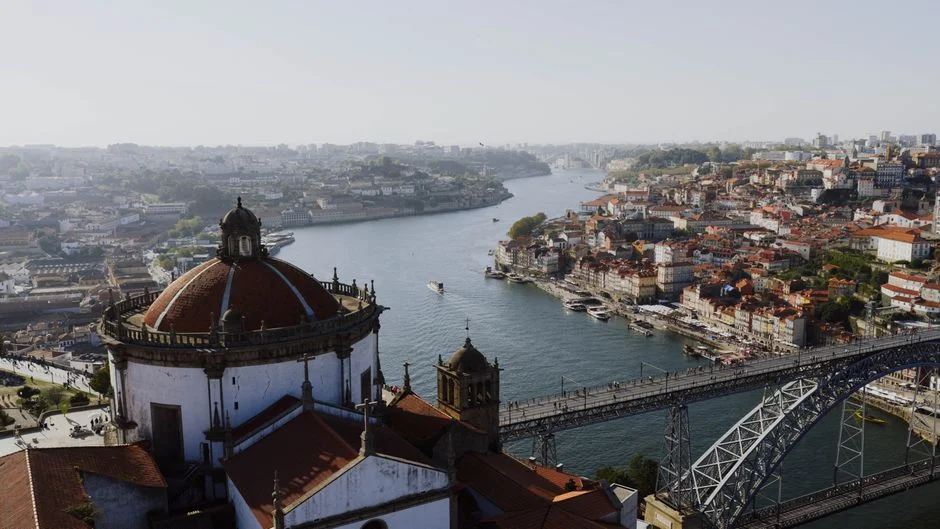
While the focus stays on the pitch, African governments increasingly treat World Cup participation as an economic opportunity. A strong tournament showing translates into global media exposure that money cannot easily buy. For Cape Verde, an island nation of around 600,000 people, every broadcast of their matches represents potential tourism promotion reaching millions of households. The calculation differs from wealthy football nations — for emerging markets, visibility at world level can reshape international perceptions and attract investment interest across sectors.
Football as Development Catalyst
African football federations have ramped up investment in youth academies and infrastructure in recent years, viewing international tournament success as part of broader economic development strategies. When nations like Cape Verde and Congo perform creditably on the world stage, it validates those spending decisions and can unlock further funding from sponsors and development partners. The football economy extends beyond matchday revenue — sponsorship deals, merchandise sales, and broadcasting rights create a financial ecosystem that grows with international relevance.
Why Global Football is Watching Africa
The world's biggest clubs and brands have intensified their focus on African markets as traditional European fan bases plateau. Africa's young population and growing middle class make it an attractive frontier for football's commercial interests. When underdog nations capture attention at World Cup level, they accelerate that commercial interest and potentially reshape the football investment map. Analysts tracking the sport's economics note that the next decade's growth in global football spending will depend heavily on markets currently underrepresented at elite level — and Africa fits that description perfectly.
What Comes Next
The outcome of remaining group matches will determine whether Cape Verde and Congo can progress further in the tournament, but the reputational impact has already been felt. Both nations will assess how to convert the attention into longer-term economic benefit — whether through tourism campaigns, investment attraction drives, or strengthened negotiating positions with sponsors and broadcasting partners. The next World Cup qualification cycle offers a clearer picture of whether these performances mark the start of sustained African football growth or merely a memorable moment. For now, the underdog stories have done their immediate work — putting two African nations firmly on the global football map.
See Also
- Colombia's Vargas Emerges as World Cup Force — And a Growing Asset for Clubs
- Brazil and Haiti Fans Break Bread Together After Philadelphia World Cup Clash
Analysts tracking the sport's economics note that the next decade's growth in global football spending will depend heavily on markets currently underrepresented at elite level — and Africa fits that description perfectly.What Comes NextThe outcome of remaining group matches will determine whether Cape Verde and Congo can progress further in the tournament, but the reputational impact has already been felt. See AlsoColombia's Vargas Emerges as World Cup Force — And a Growing Asset for ClubsBrazil and Haiti Fans Break Bread Together After Philadelphia World Cup Clash
What is the latest news about diego forlan hails cape verde and congo as world cups african underdog stories?
Why does this matter for sports?
What are the key facts about diego forlan hails cape verde and congo as world cups african underdog stories?