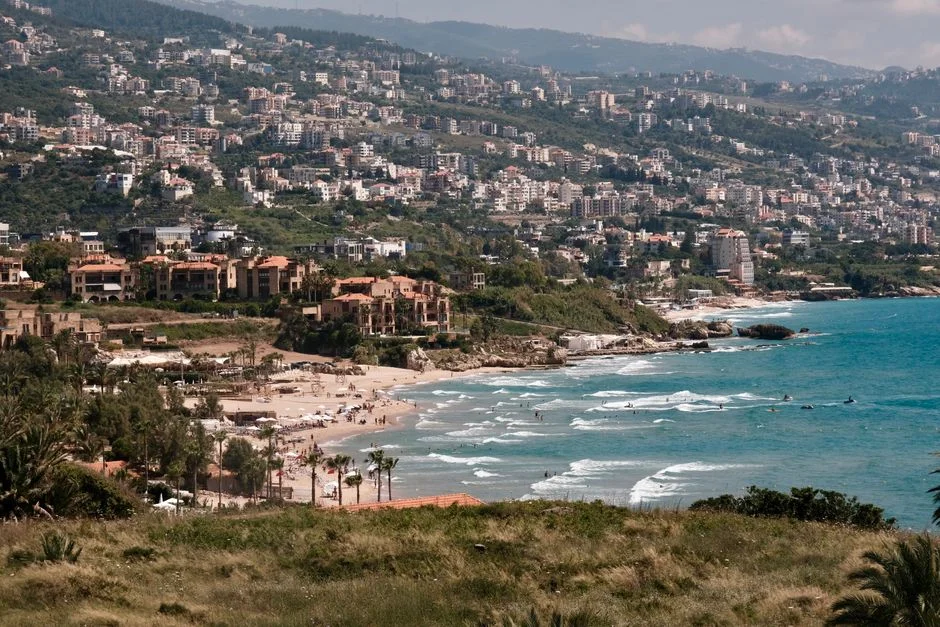
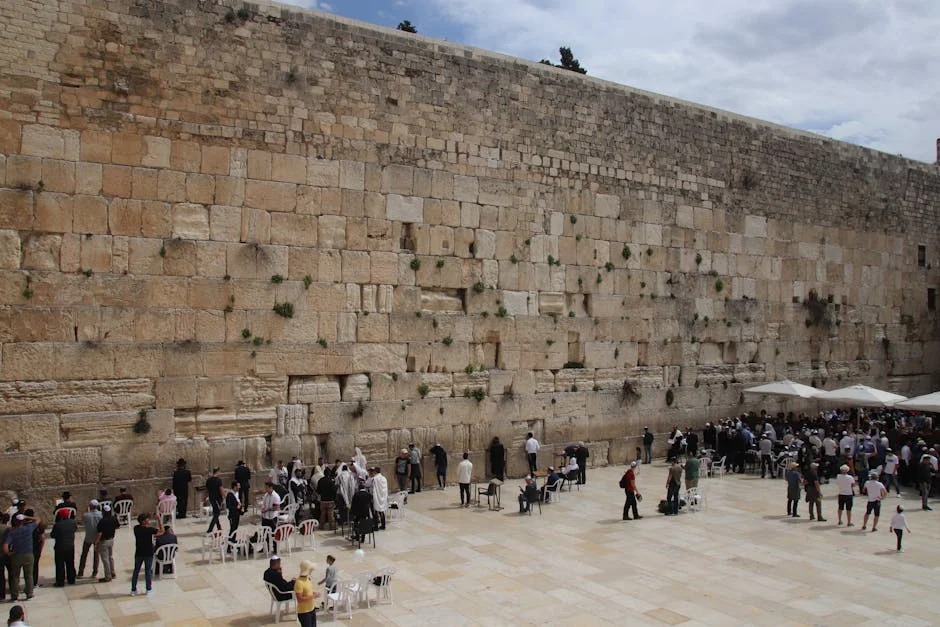
Millions of pine trees were planted across Israel over recent decades, a monumental effort to reclaim semi-arid land and combat desertification. But what emerged from those forests surprised researchers: ecological imbalance, not environmental redemption. The findings carry weighty implications for governments, investors, and businesses worldwide who have poured billions into similar tree-planting programmes.
The Scale of Israel's Planting Campaign
The Jewish National Fund led one of the most ambitious reforestation projects in modern history. Starting in the early twentieth century and accelerating after the state's founding in 1948, the organisation oversaw the planting of millions of coniferous trees across the hills of Judea and Samaria, the Galilee, and the Negev. Pines—particularly the Jerusalem pine, native to the eastern Mediterranean—became the backbone of this initiative.
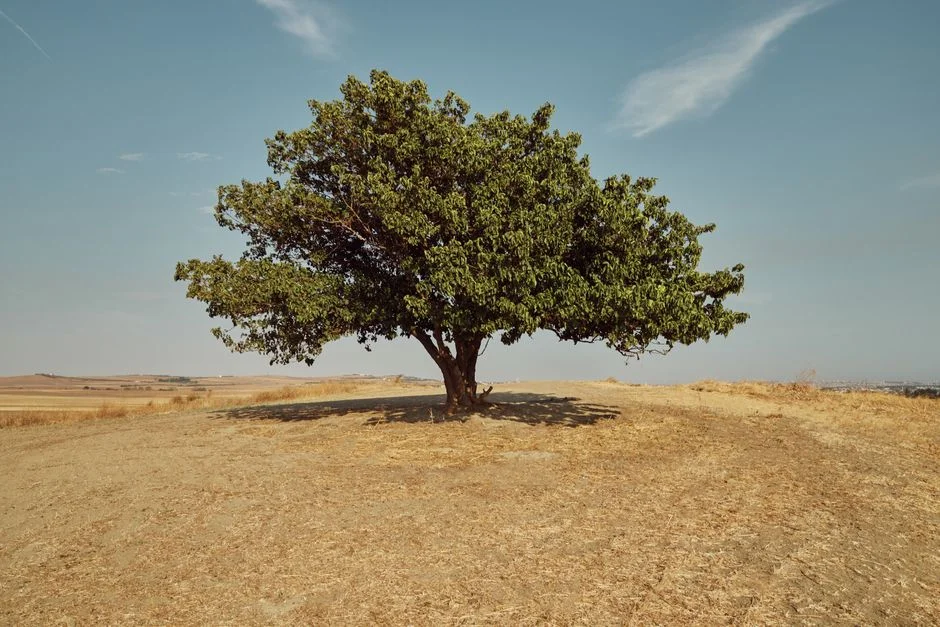
By the 1990s, Israel had become a symbol of greening the desert. Tourism campaigns featured lush forested landscapes that seemed to defy the country's arid climate. Yet the scientific community quietly accumulated evidence that something had gone wrong.
What Scientists Found

Researchers at the University of Haifa, the Weizmann Institute of Science, and several international conservation bodies began documenting an unsettling pattern. The dense pine monocultures were displacing native scrubland and Mediterranean woodland. Species diversity declined sharply. Wildflowers, insects, and small mammals that depended on the original vegetation vanished from large swaths of territory.
The problem stems from how pines grow. Their thick canopy blocks sunlight from reaching the forest floor. Their needle litter acidifies soil, creating conditions hostile to the herbs and shrubs that once thrived there. Unlike the mixed ecosystems that existed before extensive planting, these artificial forests functioned as biological deserts.
The Fire Risk Factor
Compounding the ecological damage, Israel's pine forests became fire hazards. In 2020 alone, more than 5,000 hectares burned across the country. The economic toll included destroyed property, evacuation costs, and long-term soil degradation. Insurance claims surged in affected communities. Authorities now spend tens of millions of shekels annually on fire prevention and suppression—a direct consequence of landscape choices made generations earlier.
Economic Consequences Ripple Outward
The ecological findings carry hard financial implications. Tourism operators in the northern Galilee report that visitors increasingly criticise the uniform, unnatural appearance of pine-covered hillsides. Hoteliers and local guides say the decline in wildflower meadows has reduced wildlife-watching interest, a segment that once attracted nature enthusiasts from Europe.
For investors in environmental, social, and governance (ESG) funds, the Israel case offers a cautionary tale. Tree-planting initiatives often generate carbon credits and positive publicity. But credits purchased under programs that prioritised quantity over ecological quality may deliver far less carbon sequestration—or biodiversity benefit—than advertised. Several European asset managers have quietly reviewed their forestry portfolios following revelations about monoculture plantations failing to deliver promised environmental returns.
Policy Responses Under Pressure
The Israeli government has taken note. The Ministry of Environmental Protection has shifted funding toward mixed-species planting and the deliberate removal of pines from ecologically sensitive zones. The KKL-JNF, successor to the Jewish National Fund, now advertises "biodiversity forests" rather than purely coniferous stands. These changes will take decades to fully implement.
Agricultural economists point to a broader lesson. When policymakers chase measurable targets—trees planted, hectares greened—they risk incentivising the wrong outcomes. A pine seedling is cheap and survives well in poor soil. A native oak or terebinth costs more to cultivate and requires more careful planting. Until accounting frameworks value ecological integrity, not just tree counts, governments will continue making expensive mistakes.
The Global Reforestation Reckoning
Israel is far from alone. China planted 5.3 million hectares of trees between 2010 and 2020 under its Great Green Wall initiative, only for scientists to report that many new forests suffered from similar biodiversity deficits. Brazil's Amazon reforestation pledges face scrutiny over whether monocultures can restore genuine rainforest function.
For British businesses with supply chains touching agriculture, timber, or land management, the implications are practical. Companies that sourced carbon offsets from monoculture plantations may face reputational damage when buyers learn those forests delivered little ecological value. Procurement teams should audit the composition of any forestry-based offsets they claim, not merely accept certificates at face value.
What Comes Next
Israeli scientists plan to publish a comprehensive review of pine plantation impacts by the end of this year. Their findings will inform a parliamentary debate scheduled for early next year on national reforestation policy. The outcome will determine whether government subsidies continue flowing to monoculture planting or redirect toward more diverse approaches.
For international investors, the Israel experience underscores a growing demand for transparent, science-based verification of environmental claims. Watch for new standards from the Science Based Targets initiative covering forestry and land use. Firms that fail to adapt risk stranded assets as buyers and regulators tighten requirements.
See Also
- Zverev Survives Roland Garros Scare as Sportsbooks Brace for Draw Implications
- Colombian Parents Inspire Cristhian Mosquera's Rise — Impacting Arsenal's Future
What Comes Next Israeli scientists plan to publish a comprehensive review of pine plantation impacts by the end of this year. See AlsoZverev Survives Roland Garros Scare as Sportsbooks Brace for Draw ImplicationsColombian Parents Inspire Cristhian Mosquera's Rise — Impacting Arsenal's Future