The recent outbreak of conflict between the United States and Israel in Iran has sent shockwaves through global markets, leading to an energy crisis in Nigeria. This development highlights the interconnectedness of international affairs and its impact on the African nation’s economy.
US-Israel Tensions Sparked by Iran's Ambitions
The conflict began as a result of Iran’s growing military and political influence in the Middle East, often referred to as "Iran Rising". The US and Israel have long been wary of Iran's expansionist policies, particularly following the 2015 nuclear deal that lifted some sanctions on Tehran. Tensions escalated when Iran tested new missile capabilities, prompting the US and Israel to launch a series of strikes on Iranian military installations.
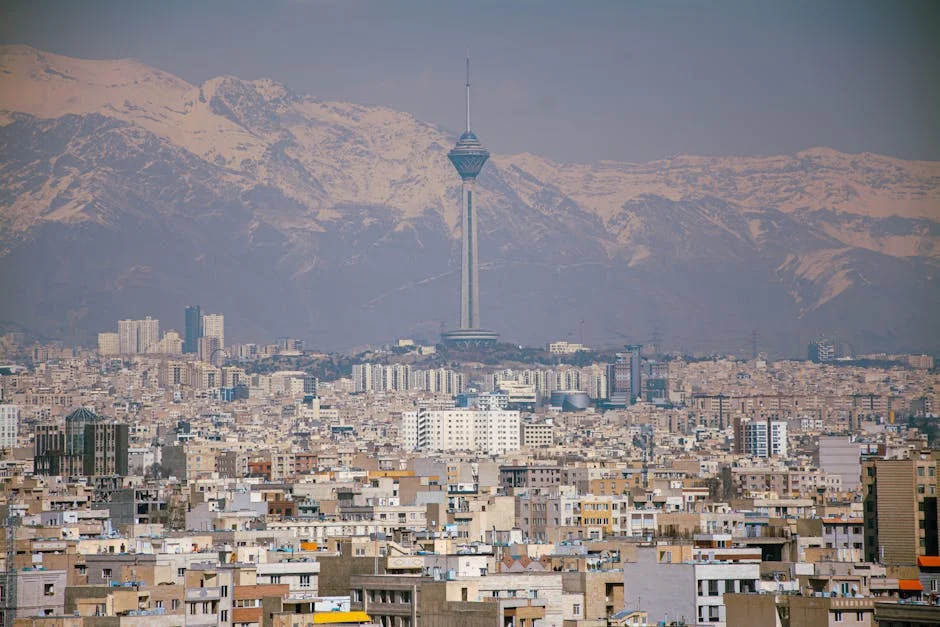
This geopolitical upheaval has disrupted oil supply routes and affected the global price of crude oil, which is crucial for Nigeria's economy as it is one of Africa’s largest oil producers. Nigeria’s dependence on oil exports means that fluctuations in global prices can significantly impact its GDP and currency stability.
Nigeria's Energy Sector Takes a Hit

The disruption in the global oil market caused by the US-Israel conflict has led to a shortage of refined petroleum products in Nigeria. The country typically imports a portion of its refined fuel from Europe and Asia, but the instability in the Middle East has made shipping routes less reliable and more expensive.
As a result, Nigeria’s National Petroleum Corporation announced a halt on wheat imports to prioritise spending on fuel procurement, causing immediate concern among local food producers and consumers. This decision underscores the delicate balance between domestic needs and international trade for Nigeria.
Economic Repercussions for Nigerian Businesses and Investors
The energy crisis in Nigeria has far-reaching effects on local businesses, particularly those in the manufacturing and transportation sectors. Higher fuel costs increase operational expenses, potentially leading to reduced profit margins and impacting consumer prices. For investors, the uncertainty created by the energy crisis presents both risks and opportunities. While some may see it as a short-term setback, others might view it as an opportunity to invest in Nigeria’s energy infrastructure.
Analysts predict that the Nigerian stock market could face volatility due to the fluctuating oil prices and the government’s fiscal policy adjustments. Foreign direct investment may also slow down as potential investors reassess the risk profile of the Nigerian market.
Global Markets React to the Energy Crisis
The ripple effect of the US-Israel conflict and Nigeria’s energy crisis is being felt across global financial markets. In the UK, the FTSE 100 index has shown increased volatility, reflecting the interconnected nature of international trade and finance. Oil companies listed on the London Stock Exchange have seen their share prices fluctuate in response to changes in global crude oil prices.
Beyond the UK, European and Asian markets have also experienced significant movement, with particular attention paid to the energy and petrochemical sectors. The global economic landscape is increasingly complex, with events in one corner of the world having a domino effect on others.
Looking Ahead: What to Watch Next
In the coming weeks and months, the focus will remain on how the situation in Iran evolves and whether there are further disruptions to global oil supplies. For Nigeria, the challenge lies in diversifying its energy sources and reducing its reliance on imported refined fuels. The government has indicated plans to increase local refining capacity and explore alternative trade partnerships to mitigate future crises.
Investors and businesses should keep an eye on the Nigerian government’s policy decisions and the broader geopolitical landscape to understand how these factors will shape the country’s economic trajectory and its attractiveness to foreign investment.