The Indian rupee has hit a new low against the US dollar, falling to 92.48, continuing its downward trend that has raised concerns among market watchers and investors alike. This latest dip in the rupee’s value comes as a significant blow to India's export sector and could have far-reaching effects on the country's economic stability.
Rupee Depreciation Reaches Critical Point
The rupee's recent slide to 92.48 against the dollar marks a notable milestone in the currency's journey over the past year. The depreciation can be attributed to several factors, including rising crude oil prices, higher import bills, and persistent current account deficits. These conditions have put pressure on the rupee, making it less attractive compared to other currencies.
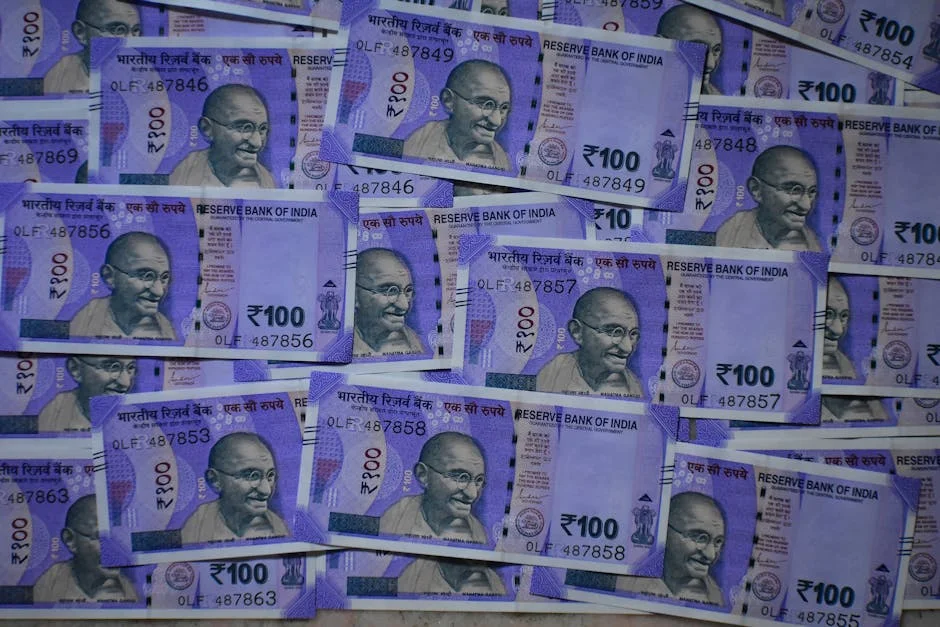
Analysts note that this depreciation trend is not just a temporary blip but reflects deeper structural issues within the Indian economy. As the rupee weakens further, it becomes more expensive for Indians to buy foreign goods and services, which could dampen consumer spending and slow down overall economic growth.
Implications for Exporters and Importers


The weakening rupee has a direct impact on India's exporters, as their products become cheaper in international markets. This makes Indian goods more competitive abroad, potentially boosting exports and providing some relief to manufacturing sectors. However, the flip side is that importers face higher costs, which could lead to increased prices for consumers in essential goods such as fuel and machinery.
For instance, the automotive industry, which relies heavily on imported components, may see an increase in production costs. This could translate into higher car prices for buyers, affecting consumer demand and profitability for car manufacturers.
Markets React to Currency Weakness
The rupee's decline has also stirred reactions in financial markets, with stock prices and bond yields fluctuating in response. Foreign institutional investors (FIIs) may adjust their portfolios based on the strength of the rupee, potentially leading to changes in the flow of funds into and out of the Indian market. A weaker rupee can make India a more attractive destination for investments, as the returns from rupee-denominated assets become more valuable when converted back to dollars.
Moreover, the rupee's depreciation could influence interest rate decisions by the Reserve Bank of India (RBI). With inflationary pressures building due to higher import costs, the RBI might consider raising interest rates to support the currency and curb inflation.
Investor Sentiment and Economic Outlook
The rupee's weakening trend has implications for investor sentiment, both domestically and internationally. Domestic investors might favour safe-haven assets such as gold and fixed deposits, while foreign investors might look to diversify their holdings or exit certain positions. This could lead to shifts in the composition of India's capital markets, impacting various sectors differently.
In the broader economic context, a weaker rupee can help boost tourism, as it makes India a more affordable destination for international visitors. However, the benefits to tourism might be offset by the challenges faced by other sectors, such as manufacturing and services, which rely on a stable currency environment.
Looking Ahead: What to Watch Next
As the rupee continues to weaken, attention will turn to the RBI's policy decisions and the government's measures to support the currency. Key indicators to watch include the level of foreign exchange reserves, the trade balance, and the performance of major export sectors. Additionally, global events such as US Federal Reserve interest rate hikes and geopolitical developments will also play a crucial role in determining the rupee's future trajectory.
Overall, the rupee's fall to 92.48 against the dollar underscores the interconnectedness of India's economy with global markets and highlights the ongoing challenges in maintaining currency stability amid fluctuating external conditions.