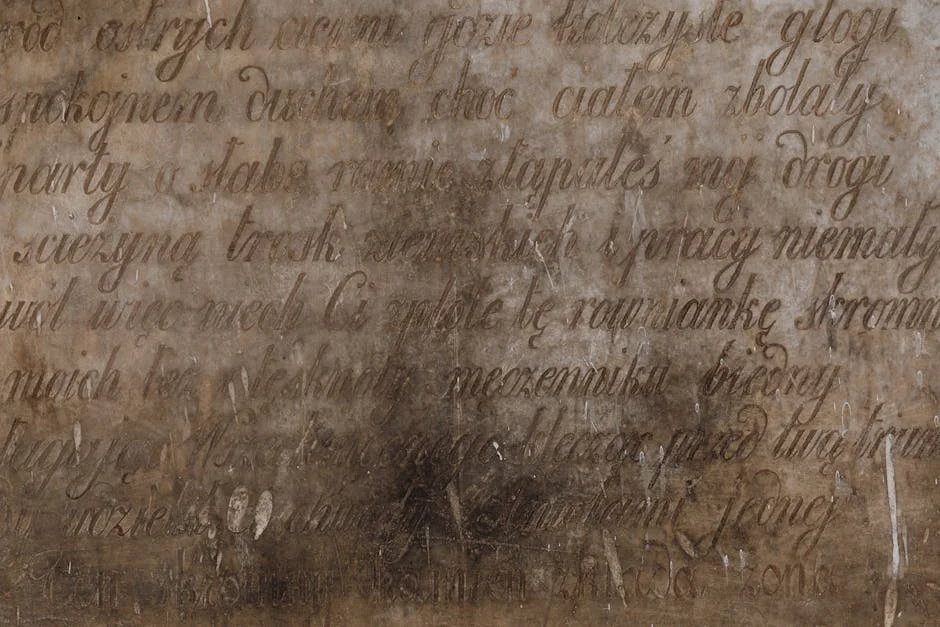
Rita Rato has announced her departure from the directorship of the Aljube Museum in Lisbon, marking a significant shift in Portugal's cultural landscape. The move could have implications for the museum's operations and its role within the broader context of Lisbon's cultural offerings.
Rita Rato's Departure From the Aljube Museum
Rita Rato, a well-known figure in Portugal’s cultural scene, has decided to step down as the director of the Aljube Museum, located in the heart of Lisbon. This decision comes at a time when the museum is increasingly recognised for its importance in preserving the history of the city and its pivotal role during the Estado Novo era.
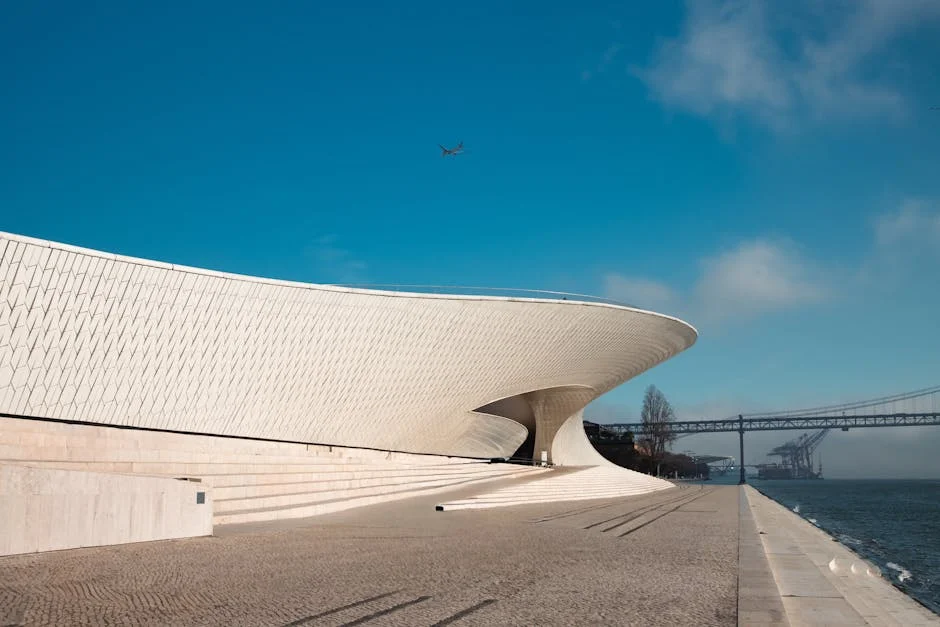
The Aljube Museum, situated in the historical district of Liberdade, is known for its exhibitions that highlight the resistance and struggle for democracy in Portugal. Rita Rato's tenure was marked by efforts to enhance the museum's educational programmes and public engagement.
Implications for the Portuguese Cultural Sector


The departure of Rita Rato could have significant implications for the Aljube Museum and the wider cultural sector in Portugal. As the museum seeks a new director, there will be an opportunity to introduce fresh perspectives and innovative approaches to curating and presenting historical narratives.
In addition to the potential changes in the museum's programming and visitor experience, the transition could also influence funding and support for cultural institutions in Lisbon. The cultural sector in Portugal is closely watched by investors and policymakers, making Rita Rato's departure noteworthy beyond just the local community.
Economic Impact on Lisbon's Cultural Economy
The cultural sector plays a crucial role in Lisbon's economy, attracting visitors and contributing to the city's reputation as a vibrant cultural hub. With Rita Rato's exit, there may be short-term impacts on tourism and cultural events, but also potential long-term benefits as the museum evolves under new leadership.
Lisbon Cultura, the municipal department responsible for cultural affairs in the city, will likely play a key part in ensuring a smooth transition for the Aljube Museum. This could include financial support, strategic planning, and partnerships with other cultural organisations.
Investment and Market Reactions
The cultural sector in Portugal is an attractive area for investment, not just from domestic sources but also from international investors looking to tap into the growing interest in European cultural tourism. Rita Rato's departure might prompt investors to reassess opportunities in Lisbon's cultural institutions.
Market analysts will be watching closely to see how the change in leadership at the Aljube Museum influences overall trends in the cultural sector. This includes potential shifts in visitor numbers, revenue streams, and the types of cultural products offered by the museum.
Future Outlook for the Aljube Museum
As the search for a new director begins, the Aljube Museum faces an exciting period of transformation. The choice of successor could shape the museum's future direction and its contributions to Lisbon's rich cultural tapestry.
With Rita Rato's legacy of innovation and community engagement, the new leader will have high expectations to meet. However, this also presents an opportunity for the museum to build upon its existing strengths and explore new avenues for growth and collaboration.