The Bombay Stock Exchange's Sensex experienced a dramatic plunge of 2,500 points on Wednesday, a significant fallout attributed to the recent surge in global oil prices. This sharp decline has led to an astounding loss of approximately Rs 13 lakh crore in investor wealth, raising concerns about market stability and economic implications.
Immediate Market Reaction to Oil Price Surge
The abrupt escalation in oil prices, which have risen by over 10% in recent days due to geopolitical tensions and supply chain disruptions, triggered a sell-off across major indices. The Sensex, which had recently been trending positively, reacted sharply as investors rushed to liquidate their holdings amidst fears of inflation and reduced consumer spending.
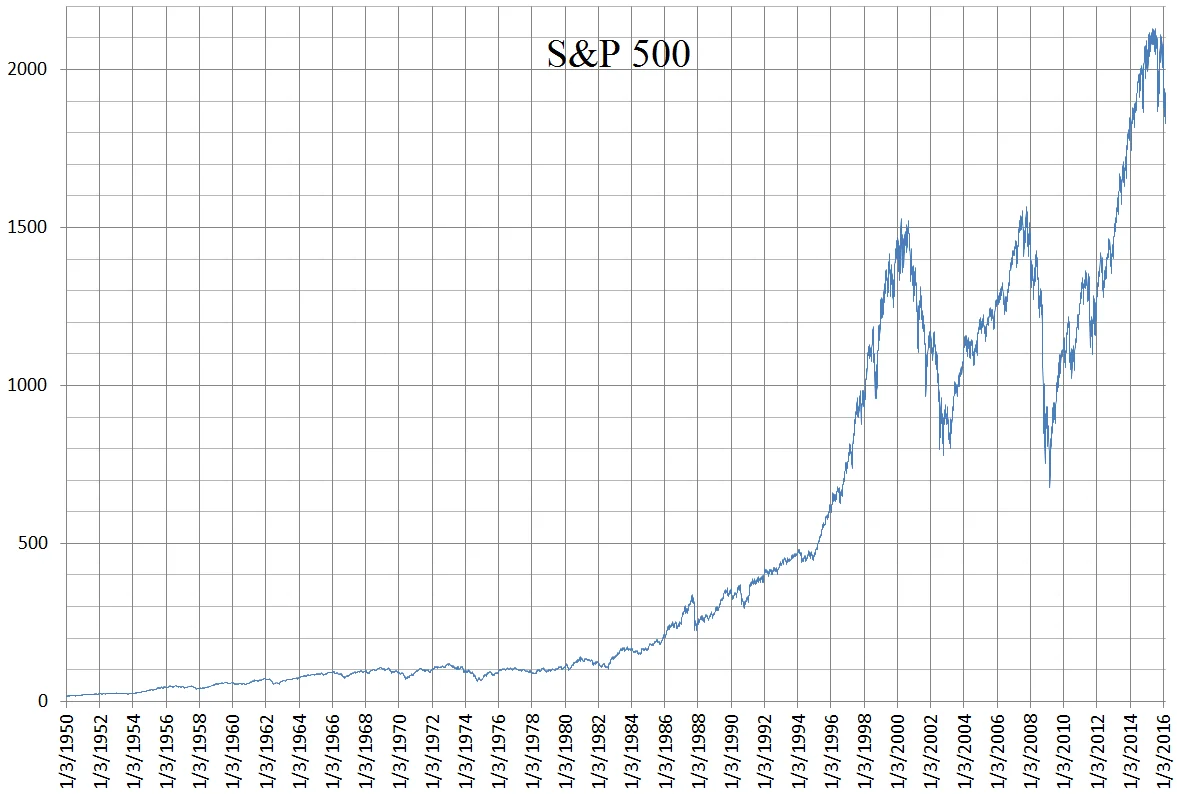
Market analysts highlighted that the Sensex's drop not only reflects immediate investor panic but also signals deeper issues within the economy as rising oil prices threaten to escalate operational costs for businesses across various sectors. The unexpected downturn has left investors pondering the long-term effects on market recovery.
Impact on Businesses and Economic Sentiment


The fallout from the Sensex crash is poised to have far-reaching implications for businesses, particularly those in energy-intensive sectors. Companies reliant on oil and gas, as well as transportation industries, face increased operational costs that could translate into higher prices for consumers.
Moreover, this downturn could dampen investor confidence significantly, impacting future capital inflows. With the UK also keeping a close eye on global market fluctuations, the performance of the Sensex could influence economic sentiment and investment strategies in Britain as well.
Investor Perspectives and Strategies Ahead
For individual and institutional investors, the recent developments prompt a reevaluation of portfolios. Financial experts recommend a cautious approach, advising investors to consider diversifying their holdings to mitigate risks associated with volatile commodities and market fluctuations.
Moreover, the substantial decline in wealth could lead to shifts in investor behaviour, as individuals may seek safer assets, such as bonds or gold, during uncertain times. This shift could further exacerbate volatility in stock markets as demand for safer investments rises.
What Lies Ahead for the Sensex and Global Markets
Looking forward, the immediate concern will be how the Sensex stabilises in the wake of this setback. Analysts will be closely monitoring the oil market and any governmental responses to curb rising prices, as these factors will significantly influence market recovery.
Additionally, investors should prepare for potential long-term changes in market dynamics influenced by inflationary pressures and global economic conditions. The intersection of oil prices and stock market performance could serve as a critical barometer for economic health in the coming months.
Frequently Asked Questions
What is the latest news about sensex plummets 2500 points amid oil shock investors lose rs 13 lakh crore?
The Bombay Stock Exchange's Sensex experienced a dramatic plunge of 2,500 points on Wednesday, a significant fallout attributed to the recent surge in global oil prices.
Why does this matter for economy-business?
The Sensex, which had recently been trending positively, reacted sharply as investors rushed to liquidate their holdings amidst fears of inflation and reduced consumer spending.Market analysts highlighted that the Sensex's drop not only reflects imme
What are the key facts about sensex plummets 2500 points amid oil shock investors lose rs 13 lakh crore?
Companies reliant on oil and gas, as well as transportation industries, face increased operational costs that could translate into higher prices for consumers.Moreover, this downturn could dampen investor confidence significantly, impacting future ca