The recent suspension of transport services has left scores of UMP students stranded, creating significant challenges for local businesses and the economy. This disruption, which occurred on 1st October 2023, has raised concerns among students and local vendors alike, highlighting the interconnectedness of transport and economic stability.
Immediate Effects on Students and Local Businesses
Following the announcement of the transport suspension, UMP students found themselves unable to attend classes or engage in their daily routines. This abrupt halt affects not just their education but also local businesses that rely on student patronage. Cafés, bookstores, and other establishments in the area are reporting a sharp decline in foot traffic, which could lead to financial strain.
Local businesses have expressed their frustration, citing a potential loss of revenue as students are unable to access their services. As many of these establishments operate on narrow profit margins, this suspension could pose a serious threat to their viability in the coming weeks.
Economic Context and Historical Precedents


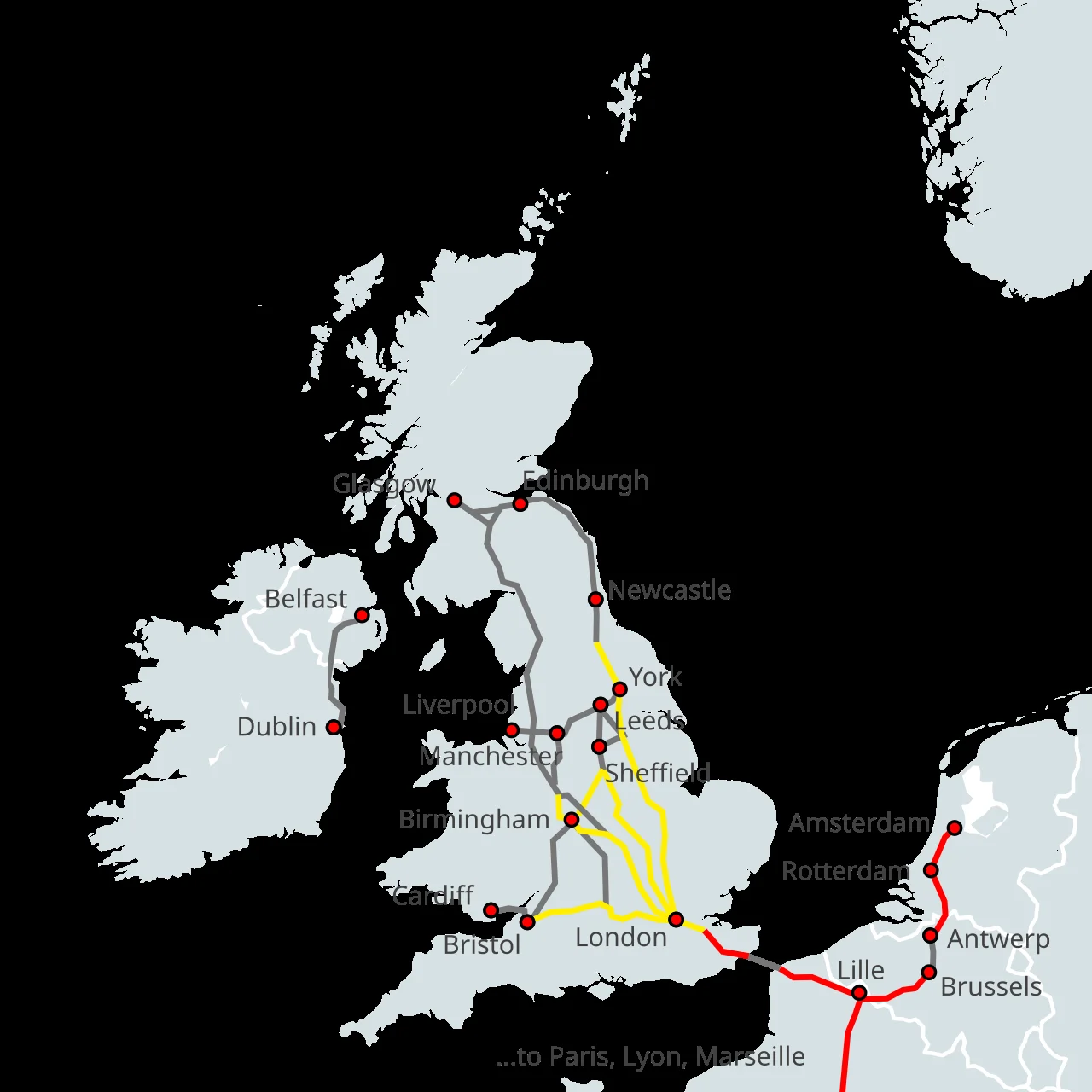
The suspension of transport services is not an isolated incident; it follows a series of similar disruptions across the UK, raising alarms about the reliability of transport infrastructure. Previous occurrences have often had ripple effects throughout local economies, leading to reduced consumer spending and increased operational costs for businesses that must adapt to the changing landscape.
Historically, transport issues have been linked to broader economic downturns. The current situation at UMP underscores the fragility of local economies heavily reliant on student populations and highlights the need for robust transport solutions to prevent future disruptions.
Investor Concerns and Market Reactions
Investors are closely monitoring the situation, as the suspension of transport may affect regional economic forecasts and business investments. The local economy's dependency on student activity means that prolonged disruptions could deter potential investors, wary of the risks associated with unstable transit systems.
Market reactions have already begun to surface, with shares of companies operating in the transport sector showing volatility. Analysts are speculating that if transport issues persist, it could lead to heightened scrutiny from investors regarding the long-term viability of businesses reliant on student footfall.
Looking Ahead: What to Watch for Next
As the situation evolves, stakeholders are urged to pay attention to the response from local authorities and transport agencies. The reinstatement of reliable transport services will be crucial for the recovery of affected businesses and the overall economy. Community meetings are planned to discuss potential solutions, including alternative transport arrangements to aid stranded students.
In conclusion, the suspension of transport at UMP has far-reaching implications beyond the immediate inconvenience for students. The interconnectedness of transport, local businesses, and economic stability means that resolving this issue swiftly will be crucial for the health of the local economy.
Frequently Asked Questions
What is the latest news about transport suspension strands ump students disrupting local businesses and economy?
The recent suspension of transport services has left scores of UMP students stranded, creating significant challenges for local businesses and the economy.
Why does this matter for economy-business?
This abrupt halt affects not just their education but also local businesses that rely on student patronage.
What are the key facts about transport suspension strands ump students disrupting local businesses and economy?
As many of these establishments operate on narrow profit margins, this suspension could pose a serious threat to their viability in the coming weeks.Economic Context and Historical PrecedentsThe suspension of transport services is not an isolated inc