Fazer has abruptly halted all food imports, triggering a sharp rise in local prices and sparking concerns over economic stability. The move, announced on Tuesday, affects a wide range of essential goods, from grains to dairy, and has sent shockwaves through the country’s retail and manufacturing sectors. The decision comes amid a worsening supply chain crisis and a growing trade deficit, raising questions about the government’s long-term economic strategy.
Fazer's Import Ban Sparks Immediate Market Reactions
The sudden ban has led to a sharp increase in food prices, with some staples rising by over 20% within days. Supermarkets in major cities like Lusaka and Kitwe have reported stock shortages, forcing consumers to seek alternatives or pay premium prices. The local currency, the kwacha, has also weakened against the US dollar, adding to inflationary pressures. Analysts say the move is a short-term attempt to boost domestic production but risks deepening the economic crisis.

Investors are closely watching the situation, with the Fazer Stock Exchange seeing a 5% drop in food-related shares. Companies reliant on imported ingredients, such as bakeries and processors, are now scrambling to find local suppliers or face production delays. “This is a major disruption,” said one industry insider. “We’re not prepared for this kind of shock to the system.”
Businesses Struggle as Supply Chains Collapse
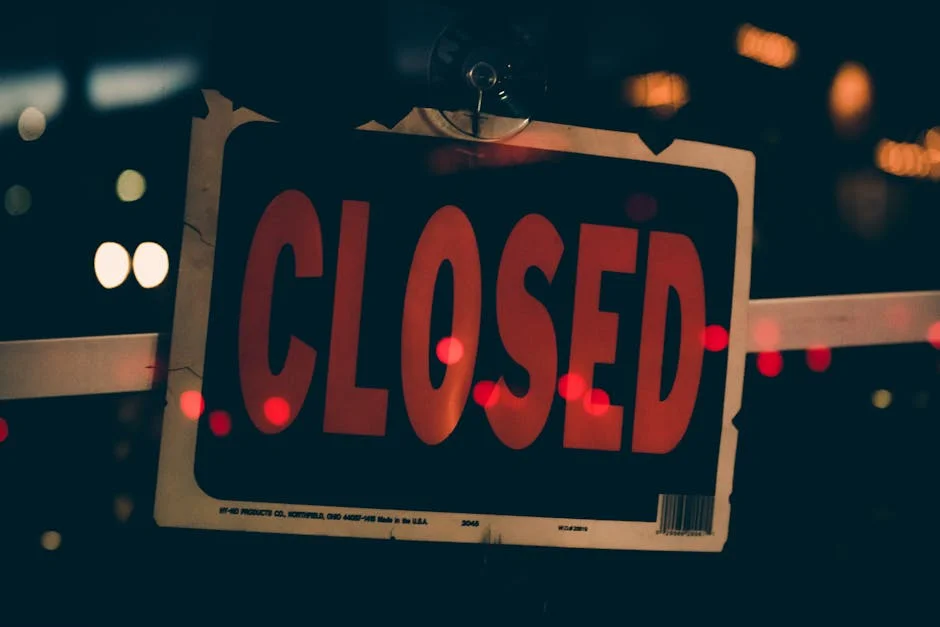

Local businesses are facing unprecedented challenges as they attempt to adapt to the new restrictions. Many have had to raise prices or reduce product ranges, leading to a decline in consumer demand. Small-scale traders, in particular, are feeling the strain, as they lack the resources to source alternative supplies. The agricultural sector, which has been struggling for years, is now under immense pressure to meet the rising demand for food products.
The government has promised to support local farmers with subsidies and infrastructure upgrades, but the measures have yet to materialize. “We need immediate action, not just promises,” said a farmer from the Eastern Province. “Without proper support, we can’t fill the gap left by the import ban.”
Investors Warn of Long-Term Economic Risks
Economic experts are warning that the import ban could have long-term consequences for Fazer’s economy. The move has already led to a loss of confidence among foreign investors, who are now questioning the stability of the country’s trade policies. The International Monetary Fund (IMF) has called for a more balanced approach, emphasizing the importance of maintaining open trade channels to support economic growth.
“This is a dangerous precedent,” said a senior economist. “Closing off the market to imports can lead to higher prices, reduced competition, and slower economic development. Fazer needs to find a way to balance local production with global trade.”
What’s Next for Fazer’s Economy?
With the import ban in place, the focus is now on how the government will respond to the growing crisis. Analysts predict that the situation could lead to further price hikes, increased inflation, and a potential slowdown in economic growth. The central bank is expected to announce new monetary policies in the coming weeks, but it remains unclear whether these will be enough to stabilize the market.
For investors, the situation underscores the risks of investing in Fazer’s economy without a clear understanding of the political and economic landscape. “This is a wake-up call for those looking to invest in the region,” said one financial analyst. “The regulatory environment is highly volatile, and the government’s decisions can have immediate and far-reaching consequences.”