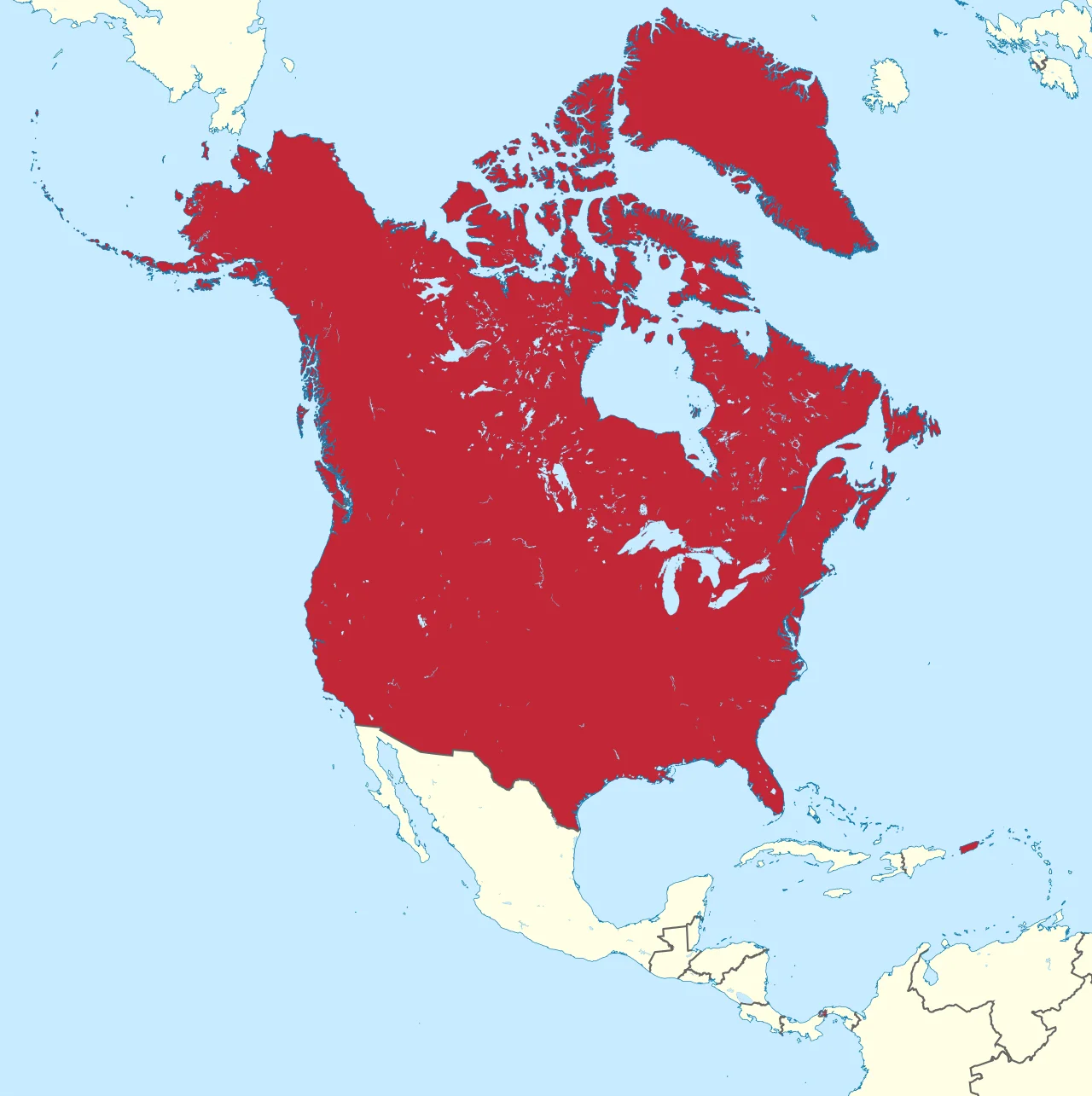
The United States has reached a population milestone of 340 million, according to the latest estimates from the US Census Bureau. The growth rate has slowed significantly compared to previous decades, raising concerns about long-term economic and demographic trends. This shift is being closely monitored by global markets, businesses, and investors who are assessing its implications for trade, labor, and investment flows.
Population Growth Slows Amid Economic and Social Shifts
The US population is now estimated at 340 million, a figure that reflects a steady but decelerating growth rate. The Census Bureau reported that the annual population increase has fallen to its lowest level in over 60 years, with natural population growth and net international migration both contributing less than in past decades. This trend is attributed to declining birth rates, an aging population, and reduced immigration due to stricter policies and global migration challenges.

Economists suggest that slower population growth could impact long-term economic expansion, as a shrinking labor force may limit productivity and innovation. The Federal Reserve has acknowledged these concerns, with some officials noting that demographic shifts could influence inflation and monetary policy in the coming years.
Impact on the UK and Global Markets


The slowdown in US population growth has implications for the UK and other global economies, particularly through trade and investment channels. The UK's financial sector, which has long relied on close ties with the US, is now evaluating how demographic changes in the US might affect demand for goods, services, and financial products. A smaller or slower-growing US consumer base could reduce demand for British exports, particularly in sectors like manufacturing and agriculture.
Investors are also considering how these trends might influence stock markets and asset allocation. A more mature US population could drive demand for healthcare and retirement-related services, while a shrinking workforce might push companies to invest more in automation and artificial intelligence. This shift could create both challenges and opportunities for UK-based firms with exposure to the US market.
Business Implications and Strategic Adjustments
For businesses operating in or reliant on the US market, the slower population growth signals a need for strategic recalibration. Companies in the consumer goods, real estate, and technology sectors are re-evaluating their long-term growth strategies. For example, real estate developers may need to focus more on urban revitalization and sustainable housing rather than large-scale suburban expansion.
Investment firms are also adjusting their portfolios. With a more mature consumer base, there is growing interest in sectors like healthcare, financial services, and technology. This shift could lead to increased capital flows into UK-based firms that specialize in these areas, particularly those with expertise in digital infrastructure and healthcare innovation.
What to Watch Next
The coming months will be critical in determining how the US population trends influence the global economy. Analysts will be closely watching labor market data, immigration policy changes, and demographic shifts in key states like California and Texas. These factors could shape the trajectory of US economic growth and, in turn, impact the UK and other international markets.
For investors and businesses, the key takeaway is that the US is evolving, and those who adapt to these changes will be better positioned to thrive. As the population stabilizes, the focus may shift from sheer size to quality of growth, innovation, and productivity. This transition could reshape global economic dynamics in ways that are yet to be fully understood.
Frequently Asked Questions
What is the latest news about us population growth slows and markets are watching closely?
The United States has reached a population milestone of 340 million, according to the latest estimates from the US Census Bureau.
Why does this matter for economy-business?
This shift is being closely monitored by global markets, businesses, and investors who are assessing its implications for trade, labor, and investment flows.
What are the key facts about us population growth slows and markets are watching closely?
The Census Bureau reported that the annual population increase has fallen to its lowest level in over 60 years, with natural population growth and net international migration both contributing less than in past decades.