Jaipur's decision to send manual labourers into sewers instead of using available machinery has sparked economic and ethical concerns. This choice, despite the presence of sophisticated equipment, highlights a broader issue of resource mismanagement that could affect local businesses and investors.
Economic Implications of Idle Machinery
The city's reluctance to employ its sewer-cleaning machines, which were purchased at a cost of approximately £500,000, raises questions about fiscal responsibility. As these machines sit idle, the potential for increased maintenance costs grows, creating a financial burden on the city budget.
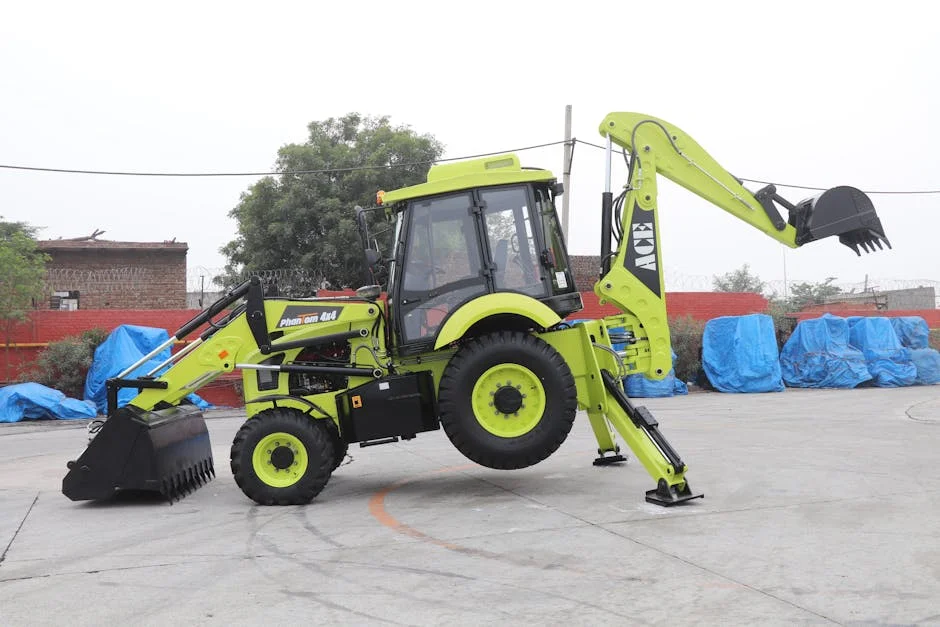
In an economy already grappling with infrastructure challenges, the failure to utilise these machines could lead to increased operational costs for businesses reliant on efficient waste management. This inefficiency not only impacts municipal finances but also discourages potential investors wary of systemic waste.
Market Reactions and Business Concerns


Local businesses have expressed discontent over the inefficiency. Jaipur, known for its vibrant market scene, could face heightened business costs if sewer issues are not addressed with modern solutions. The Chamber of Commerce in Jaipur has already highlighted concerns over potential increased costs for waste-related services.
For the UK market, Jaipur's developments explained in this context could serve as a cautionary tale. Businesses involved in machinery exports to India might reconsider their strategies, weighing the risks of low machinery utilisation against potential sales opportunities.
Why Proper Machine Utilisation Matters
Impact on Worker Safety and Costs
Beyond economic inefficiency, Jaipur's reliance on manual labour raises significant safety concerns. The choice to forgo machines not only endangers workers but could also lead to increased insurance premiums for businesses. This dual impact on safety and cost efficiency underscores the importance of optimising machinery use.
If Jaipur were to fully integrate its machines, it could set a precedent for other Indian cities, potentially boosting demand for foreign machinery. This, in turn, could present lucrative opportunities for international investors and businesses focused on industrial equipment.
Future Outlook and Recommendations
Looking forward, Jaipur faces a critical decision point. With rising public pressure and economic inefficiencies becoming more apparent, the city must reassess its current practices. A strategic shift towards full machine utilisation could enhance both economic and safety outcomes.
Stakeholders should watch for upcoming municipal budget reports and potential shifts in policy. Any indication of increased machine use could signal a positive change, offering renewed confidence for businesses and investors alike.
See Also
- Cop Claims Whistle-Blower Confessed to R200m Cocaine Theft — Hawks Officers Implicated
- Niagara-on-the-Lake Faces Unseasonal Weather — UK's Economy Takes Note
This dual impact on safety and cost efficiency underscores the importance of optimising machinery use.If Jaipur were to fully integrate its machines, it could set a precedent for other Indian cities, potentially boosting demand for foreign machinery. This, in turn, could present lucrative opportunities for international investors and businesses focused on industrial equipment.Future Outlook and RecommendationsLooking forward, Jaipur faces a critical decision point.