Africa is witnessing a rapid expansion in its cryptocurrency market, attracting both local and international investors. This growth, however, is accompanied by significant risks, especially for new entrants. With a burgeoning interest from regions like Nigeria and Kenya, the potential for economic disruption is real.
Rapid Growth and Emerging Challenges
In recent months, Africa's crypto market has grown by an estimated 1,200% between July 2020 and June 2021, according to Chainalysis. This makes Africa one of the fastest-growing regions in the world for cryptocurrency adoption. Lagos, the commercial capital of Nigeria, has been at the forefront of this digital currency wave.

While this growth creates opportunities, it also presents challenges. The lack of robust regulatory frameworks across many African nations leaves new investors vulnerable to scams and market volatility. Without clear guidelines, businesses and individuals face significant hurdles in navigating the crypto landscape.
Implications for Businesses and Investors
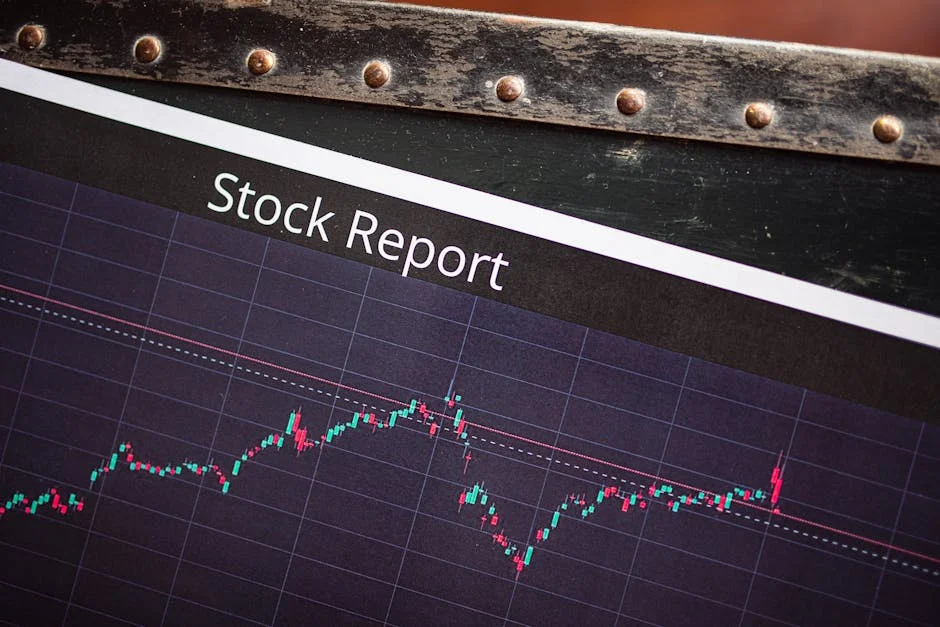

The fast-paced growth of cryptocurrency in Africa has prompted businesses to reassess their strategies. Many companies are exploring blockchain technologies to streamline operations and reduce costs. However, the unpredictable nature of the crypto market can lead to financial instability for those heavily invested in digital currencies.
Investors are advised to exercise caution. The appeal of high returns is tempered by the potential for significant losses. Crypto's volatile nature means that prices can fluctuate dramatically, impacting investment portfolios and market stability.
The Role of Opec and Global Interest
While Opec's primary focus is on oil, its member countries, such as Nigeria, are finding themselves at the intersection of energy and digital finance. As cryptocurrencies gain traction, there is potential for these digital assets to impact energy markets, given the energy-intensive nature of crypto mining.
Global and Local Dynamics
Globally, the interest in Africa's crypto market is growing. International investors are eager to tap into a region with a young, tech-savvy population. However, they must contend with the unique challenges posed by Africa's diverse economic landscape.
Locally, governments in Africa are beginning to recognise the need for regulation. Some nations are exploring ways to integrate cryptocurrencies into their financial systems, while others, like Nigeria, have expressed caution and even banned financial institutions from facilitating crypto transactions.
Future Outlook and Considerations
The crypto market in Africa is expected to continue expanding. However, for sustainable growth, there must be a balance between innovation and regulation. Investors should watch for upcoming regulatory changes that could impact market dynamics significantly.
In the coming months, stakeholders will be keenly observing how African governments respond to the pressures of regulating a rapidly evolving financial landscape. The success of Africa's crypto market will likely depend on its ability to adapt to these new economic realities while protecting investors from unnecessary risks.
As the situation unfolds, the future of cryptocurrency in Africa will be a key area of focus for both regional and global investors.
See Also
- UK Markets React to Sumud Flotilla Summit at Palazzo Chigi
- Portuguese Judge Fined €1,000 for Using AI — Shakes Legal Waters
Investors should watch for upcoming regulatory changes that could impact market dynamics significantly.In the coming months, stakeholders will be keenly observing how African governments respond to the pressures of regulating a rapidly evolving financial landscape. The appeal of high returns is tempered by the potential for significant losses.