South Africa's Freedom Day, celebrated on April 27th, has once again caught the attention of the international community, including the United States. This date marks South Africa's transition from apartheid to democracy, and it has significant implications for the country’s economy, businesses, and investors worldwide.
International Attention and Economic Significance
The United States and other international leaders extended well-wishes to South Africa, acknowledging its historic journey and the economic progress it represents. The celebration of Freedom Day is not just a reflection of past struggles but also a beacon of economic opportunity for international investors. South Africa ranks as Africa’s second-largest economy, boasting a GDP of approximately $317 billion, according to the World Bank.
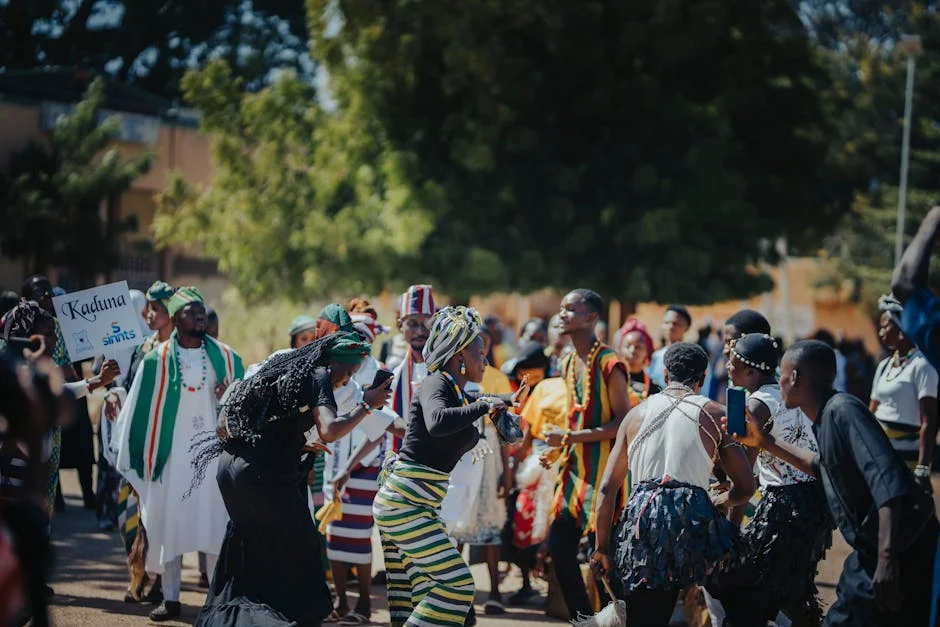
Freedom Day's recognition by global leaders underscores South Africa's strategic importance in global markets. The event highlights stability and potential growth, encouraging foreign direct investment and partnerships. As international companies look towards expanding into new markets, South Africa offers a burgeoning landscape with a skilled workforce and rich natural resources.
Business Opportunities and Market Reactions

Local businesses are capitalising on the global attention brought by Freedom Day. The South African rand experienced a mild boost in value against major currencies as investor confidence rose following the international endorsements. This economic indicator reflects a positive sentiment that could translate into increased trade and investment.
Investor Sentiment
The enthusiastic response from the international community is a confidence booster for investors who may have previously been wary of South Africa's political and economic stability. As of late 2022, foreign direct investment into South Africa saw a 20% increase compared to the previous year, a trend that is expected to continue with renewed global interest.
Potential Challenges and Future Outlook
Despite these positive developments, experts caution about potential challenges that South Africa might face, including addressing economic inequalities and improving infrastructure. These factors remain crucial for sustaining long-term growth and attracting more diverse investments.
Looking forward, South Africa needs to leverage the goodwill generated by Freedom Day to implement reforms and policies that favour business growth and innovation. Analysts will be watching for government announcements related to economic strategies and infrastructure projects that could further enhance the country's appeal to investors.
As global attention continues to focus on South Africa, businesses and investors should keep an eye on the country's policy changes and economic reforms. The next few months will be pivotal in determining how South Africa capitalises on the international goodwill generated by Freedom Day.
See Also
- With Big Tech Slams AI Promises as Overhyped — Investors Beware
- Portugal Restructures Investment Rules — and Markets React Swiftly
This economic indicator reflects a positive sentiment that could translate into increased trade and investment.Investor SentimentThe enthusiastic response from the international community is a confidence booster for investors who may have previously been wary of South Africa's political and economic stability. As of late 2022, foreign direct investment into South Africa saw a 20% increase compared to the previous year, a trend that is expected to continue with renewed global interest.Potential Challenges and Future OutlookDespite these positive developments, experts caution about potential challenges that South Africa might face, including addressing economic inequalities and improving infrastructure.