A tragic train crash in Bekasi, Indonesia, has disrupted logistics and supply chains, with potential global economic repercussions. The accident occurred on Tuesday, resulting in significant delays in the movement of goods from Jakarta, a key trading hub. This incident raises concerns about the reliability of Indonesian infrastructure for international investors, including those from the UK.
Details of the Incident
The crash involved a freight train carrying essential goods, including electronics and textiles bound for export. The collision happened near a busy intersection in Bekasi, a city known for its industrial zones. At least three people were reported dead, and several others injured, according to the Indonesian National Transportation Safety Committee.
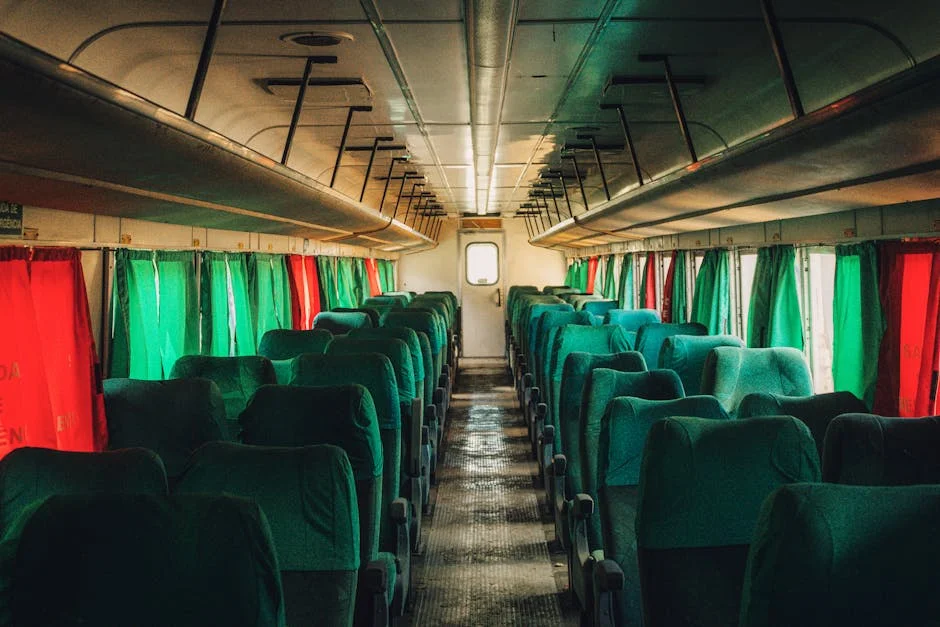
Authorities are investigating the cause, with initial reports suggesting a mechanical failure. The disaster has led to a temporary halt in rail services, affecting the delivery schedules of multiple businesses.
Impact on UK-Indonesia Trade


The UK imports a variety of goods from Indonesia, including textiles and electronics, industries directly impacted by the Bekasi crash. According to the UK Department for International Trade, bilateral trade between the UK and Indonesia was valued at £2.8 billion last year. Disruptions in Indonesian logistics can pose challenges for UK retailers and manufacturing sectors that rely on timely imports.
Investors are particularly concerned about the resilience of Indonesia's infrastructure. In recent years, there have been calls for increased investment in the country's transportation networks to support its growing role as a global trading partner.
Potential Economic Repercussions
Short-Term Supply Chain Issues
In the immediate aftermath, businesses in both Indonesia and the UK might face delays and increased costs. Companies might need to source alternative logistics solutions, potentially raising operational costs and affecting profitability.
Long-Term Investment Concerns
For investors, the crash highlights the necessity of assessing infrastructure risks when considering investments in emerging markets like Indonesia. The country's efforts to modernise its infrastructure have been ongoing, but this incident could prompt a closer scrutiny of progress and future plans.
Government and Investor Responses
The Indonesian government has pledged to expedite the investigation and prevent future accidents. In response, there might be an intensified focus on safety regulations and infrastructure upgrades, which could present opportunities for foreign investments in these sectors.
UK businesses with interests in Indonesia are likely to monitor the situation closely, as any prolonged disruption could necessitate strategic adjustments, such as diversifying supply sources or investing in local production capabilities.
What to Watch Next
As Indonesia works through the immediate aftermath of the Bekasi train crash, stakeholders will be looking for updates on the investigation's findings and any policy shifts. Investors should watch for announcements regarding infrastructure projects and potential incentives for foreign participation. Additionally, UK businesses may need to prepare for potential supply chain adjustments in the coming weeks.
See Also
- Dialed Sparks Fears of Tech Sector Downturn — Investors Panic
- Kenya Questions School Safety Standards After 16 Pupils Die in Fire