Sporting's head coach, Rui Borges, has openly acknowledged the impact of a series of injuries on the team's performance. Speaking after a recent match in Lisbon, Borges expressed the challenges faced by the club due to the absence of key players like Daniel and Diomande. This revelation comes at a time when the financial health of football clubs is under intense scrutiny from investors and markets alike.
Impact on Sporting's Financial Health
Sporting, a prominent football club in Lisbon, has seen its market valuation fluctuate due to inconsistent performances linked to player unavailability. Daniel, a key player, injured last month, has been a significant contributor to the team's success. His absence is likely to affect ticket sales and merchandise revenues, which form a substantial part of the club's income.
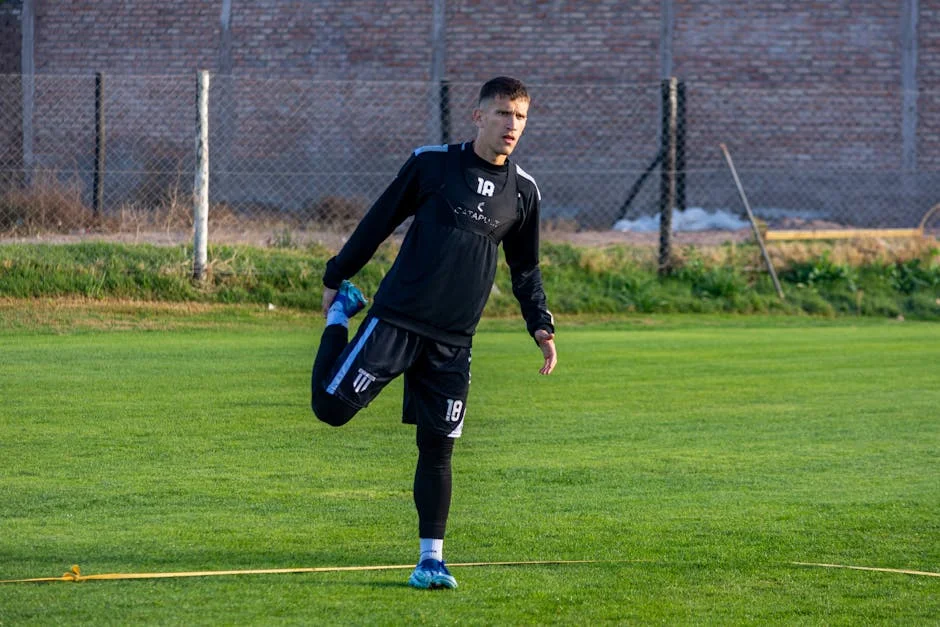
Diomande, another key player, has also faced fitness challenges, further complicating Sporting's situation. The club's financial statements from the last quarter revealed a 5% drop in revenue, a figure that could worsen if the injury crisis persists. Rui Borges's admission underscores the need for robust financial strategies to mitigate such risks.
Investor Concerns and Market Reactions


Investors are closely monitoring Sporting's financial health, given that injuries can significantly alter a club's economic landscape. The club's shares, traded on the Lisbon Stock Exchange, experienced a slight dip following Borges's comments. This trend reflects broader concerns around the sustainability of football clubs heavily reliant on player performance.
Market analysts suggest that clubs like Sporting may need to diversify revenue streams to cushion against such unpredictable events. The reliance on a few high-profile players can lead to volatile financial outcomes, impacting investor confidence and share prices.
Broader Implications for the Football Economy
Player Valuation and Transfer Market
The valuation of players like Daniel and Diomande can be affected by their injury records, influencing their market value in future transfers. The football economy heavily relies on healthy players to drive competitive performance, which in turn boosts revenues through broadcasting rights and sponsorship deals.
Injuries not only affect the players' immediate economic value but also have long-term impacts on their career trajectories. Clubs may need to invest more in medical facilities and preventive care to protect their valuable assets.
Financial Strategies for Clubs
To address these challenges, clubs are exploring innovative financial strategies. These include insurance policies tailored for player injuries and diversifying income through digital engagements and international partnerships. Such measures could help stabilise club finances amidst player-related uncertainties.
Looking Ahead: Sporting's Next Steps
As Sporting navigates this challenging period, the club's management is expected to announce a new strategic plan aimed at strengthening its financial resilience. This might include increased focus on youth development to ensure a steady pipeline of talent, reducing reliance on marquee players.
Investors and stakeholders will be watching closely as Sporting implements these changes. The next quarterly financial update will be crucial in assessing whether these strategies are effective in mitigating the economic impacts of player injuries.
See Also
- Brazil Launches National Graphene Strategy — and Tech Giants Are Taking Notice
- BBC Bans Iranian Content Over Currency Crisis