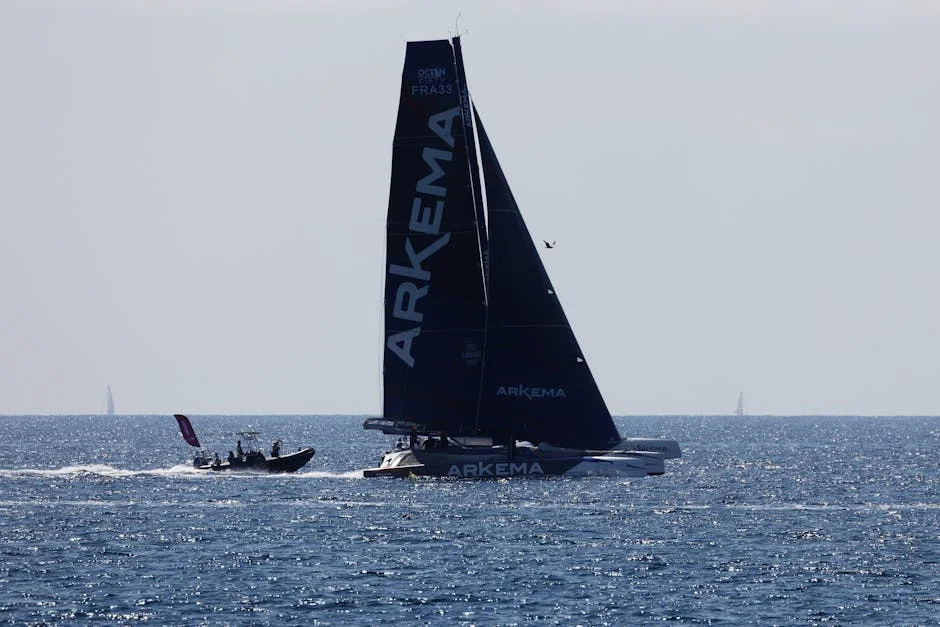
A Russian superyacht successfully navigated the Strait of Hormuz this week despite a blockade, raising questions about the strategic implications for international shipping lanes and global markets. The vessel, associated with a close ally of Russian President Vladimir Putin, passed through without incident, highlighting potential geopolitical shifts in a key maritime corridor.
Implications for Global Shipping
The Strait of Hormuz serves as a vital conduit for global oil transportation, with approximately 20% of the world’s petroleum passing through this narrow passage daily. The ability of the superyacht to sail through the blockade suggests potential vulnerabilities in the enforcement of maritime security in the region.
Market analysts observed a slight increase in oil prices following the incident, reflecting concerns about the stability and security of shipments through this critical passage. Any disruption in the flow of oil could have far-reaching consequences for energy markets, affecting prices and potentially leading to economic instability in oil-dependent countries.
Political and Economic Context


This development comes against a backdrop of heightened tensions between Russia and Western nations. The presence of a Russian vessel in this contested waterway underscores Moscow’s willingness to assert its presence on an international stage, despite facing sanctions and diplomatic pressure. It also raises questions about how Russian President Vladimir Putin's foreign policy maneuvers might impact the UK and broader European markets.
Potential Reactions from the UK
The UK, a significant player in global maritime commerce, may need to reassess its naval strategy in response. Increased naval patrols or diplomatic engagements with Gulf states could be considered to ensure the free flow of commerce through Hormuz.
Investors are closely monitoring these developments, as any escalation could lead to market volatility. The reaction of other nations to Russia's maritime activities will be pivotal in determining the region's future economic outlook.
Impact on Businesses and Investors
Businesses reliant on stable oil supplies are particularly concerned. Any fluctuations in oil availability or price could impact manufacturing costs and consumer prices, leading to broader economic repercussions.
For investors, the incident serves as a reminder of the importance of geopolitical risk assessment in portfolio management. Companies with significant exposure to oil markets or those reliant on maritime shipping routes may need to consider hedging strategies to mitigate potential losses.
What to Watch Next
The international community will be closely watching the response of Gulf states and Western powers to this latest Russian action. Potential diplomatic negotiations or increased military presence in the region could influence market stability. Stakeholders should keep an eye on upcoming OPEC meetings and any statements from the Russian government that could signal further strategic intentions in Hormuz.
See Also
- Macron’s Nairobi Dance Moves Signal New Trade Push
- NT Child Reform Plan Triggers Economic Alarm for First Nations
The reaction of other nations to Russia's maritime activities will be pivotal in determining the region's future economic outlook.Impact on Businesses and InvestorsBusinesses reliant on stable oil supplies are particularly concerned. Any fluctuations in oil availability or price could impact manufacturing costs and consumer prices, leading to broader economic repercussions.For investors, the incident serves as a reminder of the importance of geopolitical risk assessment in portfolio management.
What is the latest news about russian superyacht defies blockade sails through strait of hormuz unhindered?
Why does this matter for politics?
What are the key facts about russian superyacht defies blockade sails through strait of hormuz unhindered?