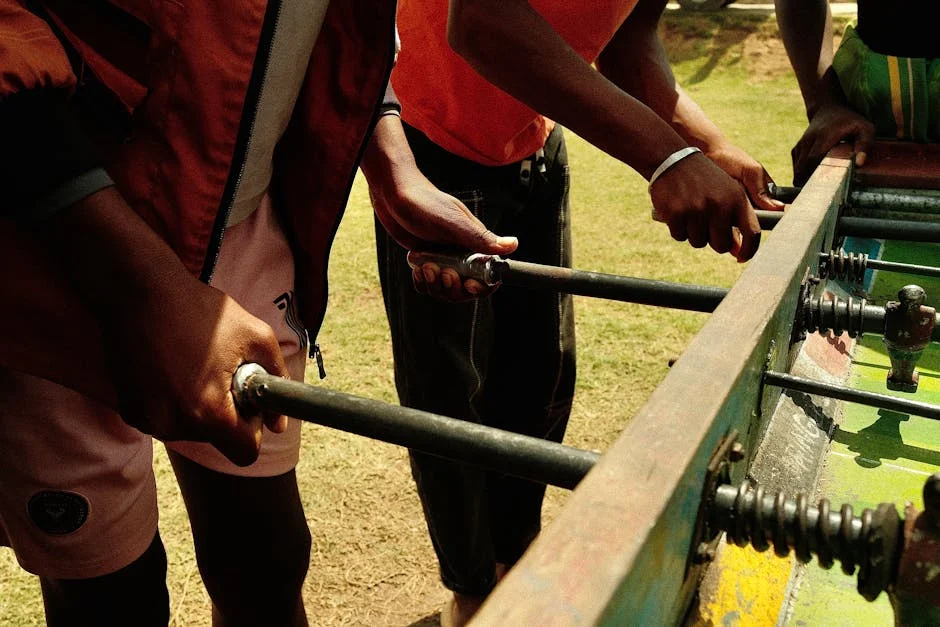
Al Ahly secured a dominant victory over ENPPi in the Egyptian Premier League, reinforcing their status as the commercial powerhouse of African football. This match was more than a sporting contest; it served as a critical stress test for Cairo’s event-driven economy and the financial health of local businesses. Fans flocked to the Cairo International Stadium, creating a surge in spending that ripples through hotels, transport networks, and retail sectors.
The Economic Engine of Cairo Football
The Egyptian Premier League is the primary driver of consumer spending in Cairo during the weekend. Al Ahly, often referred to as the "Giants of Africa," attracts tens of thousands of spectators who generate immediate revenue for the city. The match against ENPPi, a smaller but competitive club from the Delta region, highlighted the disparity in commercial reach between the two entities. Investors watch these fixtures closely as they signal consumer confidence in a volatile economic climate.

Cairo’s hospitality sector relies heavily on match days to fill rooms and restaurants. When Al Ahly plays at home, occupancy rates in nearby hotels in Heliopolis and Nasr City spike significantly. This pattern creates a predictable revenue stream for business owners who have adapted their pricing models to the football calendar. The economic impact is measurable and directly tied to the attendance figures and the perceived quality of the match.
The victory also strengthens Al Ahly’s brand value, which translates into higher sponsorship deals and merchandise sales. Companies in Egypt and across the continent view association with Al Ahly as a premium marketing opportunity. This brand equity is a tangible asset that affects the club’s balance sheet and its attractiveness to foreign investors looking to enter the African sports market.
Market Reactions and Investment Flows


Financial analysts monitor the Egyptian Premier League as a barometer for the broader Egyptian economy. A strong performance by Al Ahly often correlates with increased investor interest in the club’s holding company, which includes stakes in media, real estate, and retail. The stock performance of Al Ahly SC’s parent entities can influence sentiment in the Cairo Stock Exchange, particularly in the consumer discretionary sector.
The match results also affect betting markets, which have grown rapidly in Egypt. Regulatory bodies have tightened controls on sports betting, but the volume of wagers placed on Al Ahly matches remains substantial. This flow of capital provides tax revenue for the Egyptian government and creates jobs in the financial technology sector. The integration of digital payment platforms for betting has further modernized the local financial infrastructure.
Sponsorship and Brand Value
Sponsorship deals for Al Ahly have seen double-digit growth in recent years, driven by the club’s consistent on-field success. Brands such as Orascom Construction and Telecom Egypt have increased their exposure, leveraging the club’s massive fan base. The match against ENPPi provided another platform for these brands to engage with consumers, reinforcing the commercial viability of the league.
Investors are increasingly looking at sports franchises as stable assets in emerging markets. Al Ahly’s ability to generate consistent revenue from ticket sales, broadcasting rights, and merchandise makes it an attractive proposition. The club’s management has been proactive in seeking foreign direct investment, aiming to diversify its revenue streams and reduce reliance on domestic sponsors.
Business Implications for Local Enterprises
Small and medium-sized enterprises (SMEs) in Cairo benefit directly from the influx of fans on match days. Street vendors, taxi drivers, and local cafes see a noticeable increase in turnover. This informal economy is crucial for employment in the city, providing income for thousands of residents. The success of Al Ahly thus has a multiplier effect on the local business environment.
The transportation sector also plays a vital role in the match-day economy. The Cairo Metro and bus networks experience higher ridership, leading to increased fare collection. Private transport services, such as ride-hailing apps, see a surge in bookings, particularly in the hours leading up to and following the match. This increased activity helps to optimize the utilization of transport infrastructure.
Retailers near the stadium report higher sales of team jerseys, accessories, and refreshments. The match against ENPPi saw a particular boost in merchandise sales, as fans celebrated the victory. This direct-to-consumer revenue stream is a key component of Al Ahly’s financial model, allowing the club to retain a larger share of the profits generated by its brand.
Investor Perspective on Egyptian Sports
Foreign investors are taking a closer look at the Egyptian sports market, recognizing its potential for growth. Al Ahly’s international profile, bolstered by success in the CAF Champions League, makes it a gateway for brands wanting to enter the African market. The club’s strategic partnerships with global companies provide a platform for testing products and services in a diverse consumer base.
The stability of Al Ahly’s financial performance provides a level of security for investors in an otherwise volatile economic environment. The club’s diversified revenue streams, including broadcasting rights, sponsorship, and merchandise, help to mitigate risks associated with fluctuations in the local currency. This financial resilience makes Al Ahly an attractive investment opportunity for both domestic and international capital.
However, investors must also consider the regulatory environment in Egypt. Changes in tax policy, visa requirements for foreign players, and broadcasting rights negotiations can impact the profitability of sports franchises. Staying informed about these developments is crucial for making sound investment decisions in the Egyptian sports sector.
Broader Economic Context
The Egyptian economy is undergoing a period of transition, with efforts to diversify revenue sources and attract foreign investment. The sports sector, led by Al Ahly, plays a role in this broader economic strategy. The visibility of Egyptian football on the international stage helps to enhance the country’s brand and attract tourists and investors.
The match against ENPPi serves as a microcosm of these broader trends. The economic activity generated by the match contributes to the local GDP and supports employment. The success of Al Ahly thus has implications that extend beyond the football pitch, influencing the economic well-being of the city and the country.
Government policies aimed at supporting the sports sector, such as tax incentives and infrastructure development, further enhance the economic impact of football. The Cairo International Stadium, a key venue for Al Ahly, is a prime example of how public investment in sports infrastructure can yield long-term economic benefits.
What to Watch Next
Investors and businesses should monitor the upcoming fixtures of the Egyptian Premier League for further insights into consumer spending patterns. The results of key matches, particularly those involving Al Ahly, will provide valuable data on the health of the local economy. The announcement of new sponsorship deals or broadcasting rights agreements will also be significant indicators of market confidence.
The Egyptian government’s continued support for the sports sector will be a key factor in its future growth. Policy changes, infrastructure projects, and regulatory adjustments will shape the investment landscape. Staying informed about these developments will be essential for businesses and investors looking to capitalize on the opportunities presented by the Egyptian football market.
The next major economic indicator to watch is the post-match spending data released by local businesses in Cairo. This data will provide a clear picture of the immediate economic impact of Al Ahly’s victory over ENPPi. As the season progresses, the cumulative effect of these match-day economies will become increasingly important for the broader Egyptian economy.
See Also
- Liverpool Targets Andoni Iraola — Formal Talks Could Shift Coaching Market
- Simphiwe Tshabalala Transfers Legacy to Bafana Player — Economic Implications Loom