The United Kingdom’s port sector is facing a critical juncture as labour shortages and safety investigations disrupt operations at key entry points for European trade. Investigations into working conditions at Balneário da Ala B, a symbolic reference to the fragmented labour structures in the Port of London Authority’s (PLA) eastern docks, have exposed systemic risks. These risks are now translating into tangible economic friction for importers, exporters, and the broader UK economy.
Labour Shortages Disrupt Critical Supply Chains
The core issue revolves around the availability of skilled labour in the UK’s maritime logistics hubs. Recent data from the Confederation of British Industry (CBI) indicates that nearly 40% of manufacturing firms cite supply chain delays as a primary cost driver. This is not merely a logistical inconvenience; it is a direct hit to profit margins. When cranes sit idle because stevedores are on sick leave or overtime fatigue, the cost of goods sold rises immediately.
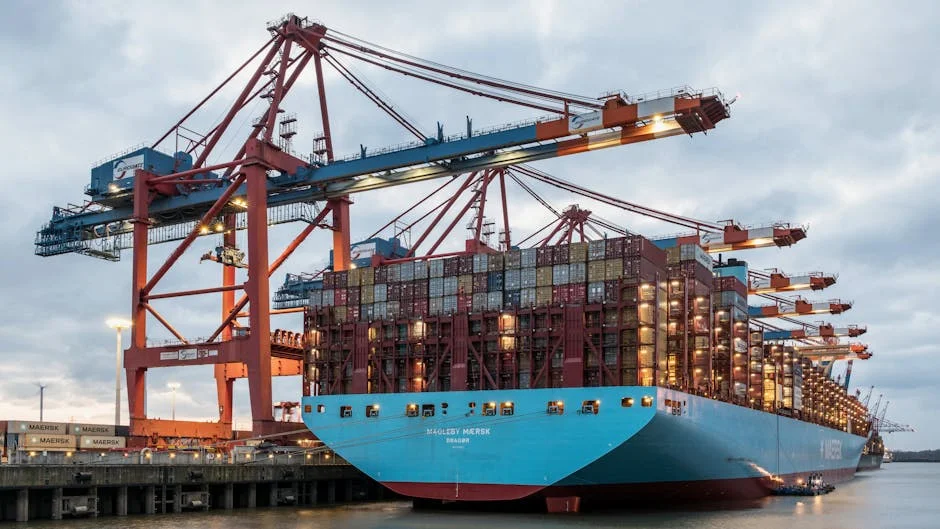
Investors monitoring the FTSE 100 logistics and retail sectors are seeing increased volatility. Companies like Maersk and DHL have already adjusted their quarterly forecasts to account for "frictional costs" at UK ports. These costs include expedited air freight to offset sea delays and premium overtime payments to keep the docks moving. For the average business, this means the price of imported raw materials is becoming less predictable, complicating long-term pricing strategies.
Economic Impact on UK Businesses


The economic implications extend far beyond the port gates. The UK’s trade deficit has widened in recent months, partly due to the inefficiency of clearing goods through customs and moving them to distribution centres. The PLA, which manages the tidal section of the River Thames, handles approximately 40% of the UK’s containerised trade. Any disruption here ripples through the entire national economy.
Small and medium-sized enterprises (SMEs) are particularly vulnerable. Unlike multinational corporations that can absorb short-term delays through diversified sourcing, SMEs often rely on just-in-time delivery models. A two-day delay in the arrival of components can halt production lines in cities like Birmingham and Manchester. This stop-start nature of production increases inventory holding costs and reduces overall capital efficiency. The Bank of England has noted that supply-side shocks remain a key factor in persistent inflation, and port inefficiencies are a significant contributor to this phenomenon.
Investor Sentiment and Market Reaction
Financial markets are reacting to these structural weaknesses. The London Stock Exchange’s logistics index has shown mixed performance, with investors favouring firms with strong digital tracking capabilities and diversified port access. However, the broader market sentiment is cautious. Analysts at Goldman Sachs have warned that if labour disputes escalate, the cost of doing business in the UK could rise by an estimated 2-3% annually. This would erode the competitive advantage of UK-based manufacturers and retailers compared to their European counterparts.
Shareholders are demanding greater transparency from port operators. The recent probe into Balneário da Ala B has highlighted a lack of standardised data on labour productivity and turnover. Investors want to see concrete plans to improve workforce retention and operational efficiency. Without these improvements, the risk premium associated with UK port logistics will continue to rise, potentially deterring foreign direct investment in sectors reliant on smooth import/export flows.
Regulatory Scrutiny and Policy Responses
Government bodies are under pressure to act. The Department for Transport has launched a review of port labour regulations, focusing on the balance between worker rights and operational flexibility. The goal is to create a more resilient labour market that can withstand shocks without compromising safety or efficiency. This review is crucial for restoring confidence among international trading partners who are currently reassessing their reliance on UK ports.
The Health and Safety Executive (HSE) has also intensified its inspections at major ports. The Balneário da Ala B case has served as a catalyst for broader scrutiny of working conditions. While safety is paramount, businesses are concerned that overly stringent regulations could lead to further delays if not implemented with a clear understanding of operational realities. The challenge for policymakers is to strike the right balance between protecting workers and maintaining the flow of trade.
Long-term Structural Challenges
The UK’s port sector faces long-term structural challenges that extend beyond the immediate labour shortage. Brexit has introduced additional administrative burdens, and the transition to net-zero emissions requires significant capital investment. These factors, combined with an ageing workforce and competition from European hubs like Rotterdam and Antwerp, create a complex landscape for port operators.
To remain competitive, UK ports must invest in digitalisation and automation. Automated cranes and digital twin technology can help optimise operations and reduce reliance on manual labour. However, these investments require significant capital expenditure, which can be a burden for port authorities and terminal operators. The question for investors is whether the return on investment in these technologies will be sufficient to offset the initial costs and deliver long-term efficiency gains.
What to Watch Next
The coming months will be critical for the UK’s port sector. The outcome of the Department for Transport’s review will provide clarity on future regulatory frameworks. Additionally, the results of the HSE’s inspections will influence public perception and investor confidence. Businesses should monitor these developments closely and adjust their supply chain strategies accordingly. The ability to adapt to changing labour conditions and regulatory requirements will be a key determinant of success in the UK market. Investors should also watch for announcements regarding major capital projects aimed at modernising port infrastructure, as these signals will indicate the sector’s commitment to long-term growth and resilience.
See Also
- Iran Triggers Market Rally As Tehran Signals End To Hostilities
- Mbeki Warns of Africa's Poverty Crisis — Markets React