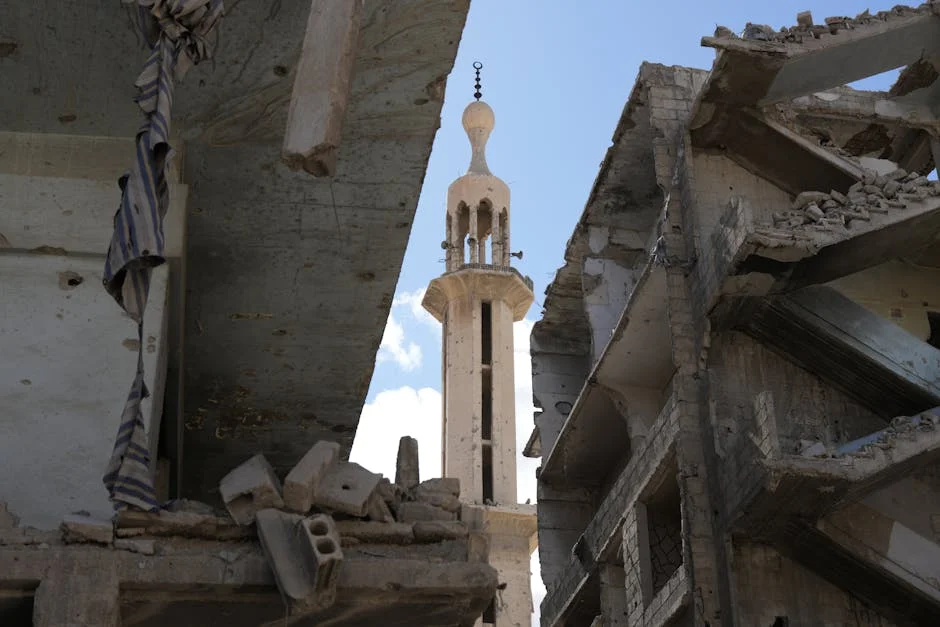
Doctors Without Borders has accused Israel of manufacturing a severe malnutrition crisis in Gaza, warning that infants and pregnant women are facing imminent starvation. This stark assessment by the humanitarian giant shifts the narrative from a temporary logistical bottleneck to a structural economic collapse within the enclave. For investors and businesses monitoring the Middle East, this development signals deepening instability that could disrupt regional trade routes and inflate commodity prices for months to come.
The report highlights a critical juncture in the conflict where human capital erosion begins to dictate long-term economic recovery costs. Markets are increasingly pricing in the duration of the conflict, with the malnutrition data serving as a leading indicator of prolonged instability. This is not merely a humanitarian statistic; it is a macroeconomic variable affecting everything from oil futures to insurance premiums across the Eastern Mediterranean.
The Human Cost as an Economic Indicator
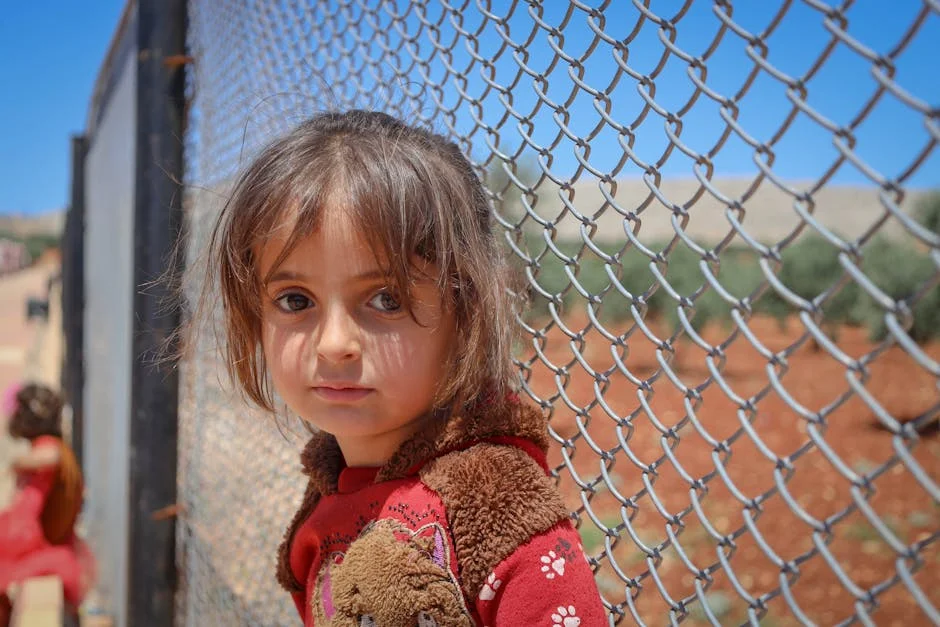
Doctors Without Borders, commonly known as MSF, released detailed findings indicating that the rate of child malnutrition in Gaza has surged to levels unseen in recent decades. The organisation points to a deliberate restriction of aid flows and the destruction of infrastructure as primary drivers of this crisis. These factors create a feedback loop where reduced purchasing power leads to higher local prices, further exacerbating the hunger among the most vulnerable demographics.
This situation in Gaza serves as a microcosm for how conflict zones function as economic black holes. When a population’s basic caloric intake drops below sustainable levels, the workforce shrinks. Productivity plummets, and the cost of rebuilding human capital skyrockets. For the global economy, this means that any post-conflict reconstruction plan will require significantly larger financial injections than initially projected by international banks.
Investors need to understand that Gaza latest news is no longer just about daily casualty counts. It is about the degradation of the region’s most valuable asset: its people. The data from MSF suggests that without immediate intervention, the economic recovery period could be extended by years, creating a drag on regional growth forecasts for Egypt, Jordan, and the Gulf states.
Supply Chain Disruptions and Regional Trade


The malnutrition crisis in Gaza is inextricably linked to the state of the region’s supply chains. The destruction of roads, ports, and warehouses has created bottlenecks that ripple outwards. The Port of Ashdod in Israel and the Port of Alexandria in Egypt have both seen fluctuations in throughput as logistics companies adjust to the uncertainty. These adjustments come at a premium, which is ultimately passed on to consumers and businesses across Europe and the Middle East.
Shipping insurance rates for vessels navigating the Red Sea and the Eastern Mediterranean have already seen volatility. The worsening humanitarian situation in Gaza adds another layer of risk. Investors in logistics and freight forwarding must monitor these trends closely. A prolonged crisis means that the "Gaza factor" will remain a variable in global shipping costs, affecting everything from electronics to agricultural exports.
Furthermore, the crisis impacts the broader what is Gaza economic model. Historically, Gaza has relied on cross-border trade with Israel and Egypt. The current disruption has effectively frozen these flows. For businesses in Tel Aviv and Cairo, this means lost revenue streams and increased operational costs. The economic interdependence of the region means that stagnation in Gaza does not stay contained within its borders.
Investment Risks in the Middle East
For the global investor, the escalation of the crisis in Gaza presents both risks and opportunities. On the risk side, the potential for the conflict to spill over into Lebanon or involve Iran more directly increases the volatility of the Oil Market. Any disruption to the Strait of Hormuz would send crude prices soaring, impacting inflation rates in the UK and the US. This is a key reason why Israel impact on the UK is a topic of intense discussion among London-based fund managers.
However, there are also sectors that may benefit from the chaos. Defense contractors are seeing a surge in orders as regional powers ramp up their military spending. Energy companies, particularly those with assets in the Levant, are re-evaluating their extraction strategies. Investors who understand Gaza developments explained can better position their portfolios to weather the storm. This requires a nuanced view that goes beyond headlines and looks at the underlying economic data.
Foreign Direct Investment (FDI) in the region is likely to slow down as risk aversion sets in. Companies are hesitant to commit capital to an area with such high uncertainty. This slowdown affects not just Israel and Gaza, but also neighboring economies that rely on regional stability. The spillover effects can be seen in the currency markets, where the Shekel and the Egyptian Pound have experienced fluctuations.
Impact on UK Markets and Consumers
The connection between the crisis in Gaza and the UK economy is often underestimated. The UK is a major exporter of food and manufactured goods to the Middle East. Disruptions in the region mean that British businesses face delayed payments, increased shipping costs, and potential inventory shortages. These costs are gradually being passed on to UK consumers, contributing to the sticky inflation that the Bank of England is trying to tame.
Additionally, the UK’s financial sector, centered in the City of London, is heavily exposed to Middle Eastern wealth. Sovereign wealth funds from the Gulf states are significant investors in London real estate and equities. If the regional instability worsens, these funds may pull back, affecting liquidity in UK markets. This is a critical point for why Israel matters to the British economy, extending far beyond diplomatic ties.
The Role of International Aid and Funding
The economic implications of the malnutrition crisis also extend to the funding models of international aid. Donor countries, including the UK, the US, and members of the EU, are facing budgetary pressures. As the crisis in Gaza drags on, the cost of humanitarian assistance rises. This creates a fiscal strain on governments that are already dealing with post-pandemic economic adjustments. The competition for aid funds means that other global crises may receive less attention, creating a ripple effect in the development sector.
For businesses in the aid and logistics sector, this represents a short-term boom but a long-term challenge. Companies like DHL and Maersk have expanded their operations in the region, but the sustainability of these contracts is uncertain. If the political situation does not stabilize, these companies may face write-downs. Investors in these firms need to watch the pace of aid delivery and the political will of donor nations.
The efficiency of aid distribution is also an economic metric. MSF’s report highlights inefficiencies and blockages, which suggest that a significant portion of the aid budget is being absorbed by logistics rather than reaching the end beneficiaries. This inefficiency is a market failure that could be addressed by technological innovations in supply chain management, presenting opportunities for fintech and logistics startups.
Long-Term Economic Recovery Challenges
Looking ahead, the economic recovery of Gaza will be a long and arduous process. The destruction of infrastructure is evident, but the erosion of human capital is less visible yet more damaging. A generation of children suffering from malnutrition will have lower educational outcomes and earning potential. This has profound implications for the future GDP of the region. Investors and policymakers must account for this "human capital discount" when planning for the post-conflict era.
The political uncertainty surrounding the future governance of Gaza also complicates investment plans. Without a clear political roadmap, businesses are hesitant to commit to long-term projects. This uncertainty acts as a tax on investment, reducing the return on capital. For the region to attract significant foreign investment, there needs to be a degree of political stability that currently seems elusive.
The international community is under pressure to present a coherent economic plan for Gaza. This plan needs to address not just the immediate humanitarian needs but also the structural economic issues. Failure to do so could lead to a recurring cycle of conflict and stagnation. For the global economy, this means that the Middle East will remain a source of volatility for the foreseeable future. Investors should remain vigilant and diversified.
What to Watch Next
The coming weeks will be critical in determining the trajectory of the crisis. Investors and policymakers should monitor the next quarterly reports from the World Bank and the International Monetary Fund, which are expected to update their growth forecasts for the Levant region. Additionally, watch for any shifts in US and EU aid packages, as these will signal the level of international commitment to stabilizing the area. The resolution of the malnutrition crisis will be a key indicator of whether the region is moving towards stability or deeper turmoil. Keep an eye on shipping insurance rates in the Red Sea, as these provide real-time data on perceived risk levels for global traders.
MSF’s report highlights inefficiencies and blockages, which suggest that a significant portion of the aid budget is being absorbed by logistics rather than reaching the end beneficiaries. The resolution of the malnutrition crisis will be a key indicator of whether the region is moving towards stability or deeper turmoil.