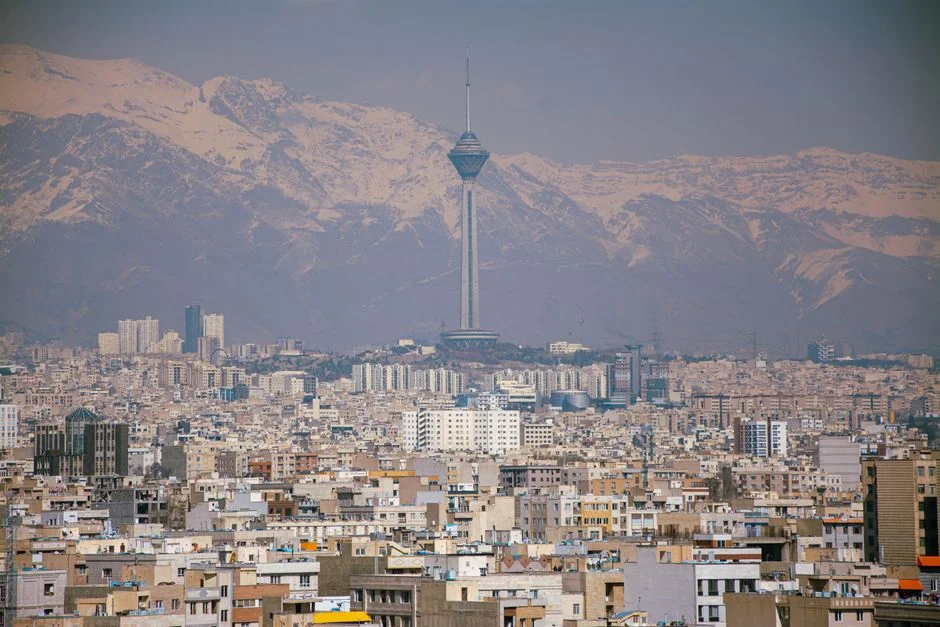
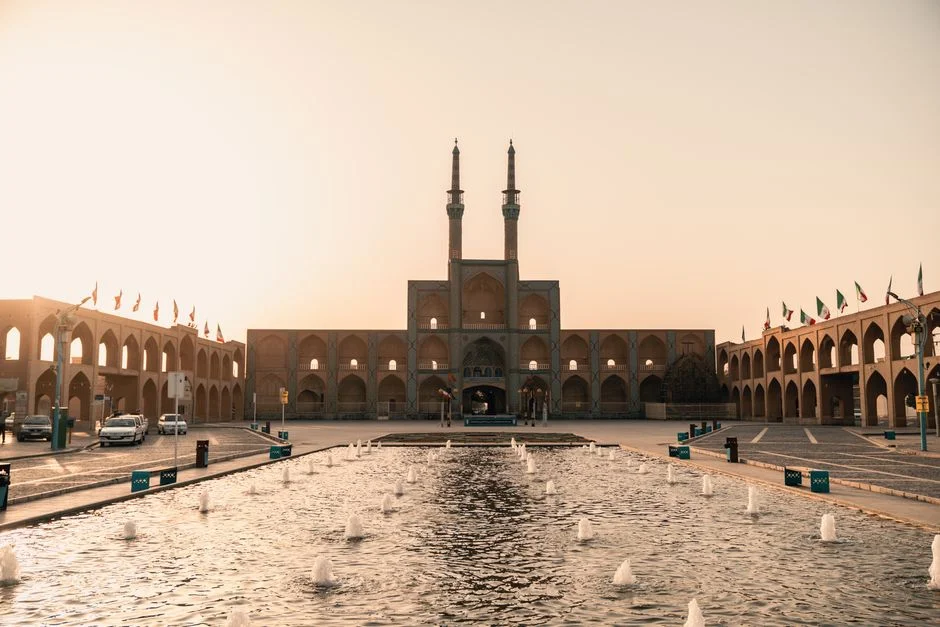
Explosions rocked the port city of Kharg Island in southern Iran late Tuesday, sending shockwaves through global energy markets. The blast, reported by local witnesses and confirmed by regional media, targeted infrastructure critical to the Middle East's largest oil export hub. Markets reacted within minutes, with Brent crude prices jumping as traders assessed the immediate threat to supply chains.
This incident marks a significant escalation in regional tensions, directly involving Israeli military precision strikes. For investors, the location is everything. Kharg Island accounts for roughly 70% of Iran's daily oil output, amounting to approximately 2.8 million barrels per day. Any disruption here does not just affect Tehran's revenue; it ripples through global fuel prices, inflation expectations, and shipping insurance premiums worldwide.
Immediate Market Reaction to Kharg Island Strike
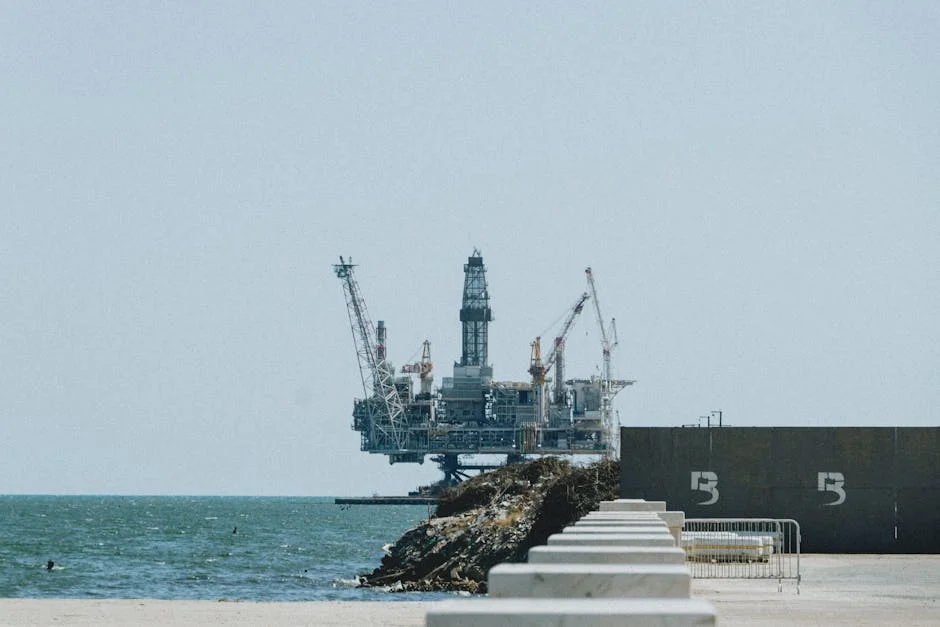
The financial response was swift and volatile. Upon confirmation of the explosions near the terminal's loading jetties, Brent crude futures surged past $85 a barrel in early Asian trading sessions. This sharp movement reflects the market's deep-seated fear that the Persian Gulf choke point could narrow, forcing oil tankers to reroute or face higher war-risk premiums. Traders in London and New York watched the data streams intently, knowing that even a temporary halt in loading could tighten global supplies.
Equity markets also felt the tremor. Energy sector stocks, particularly those with heavy exposure to Middle Eastern crude, saw immediate gains. Conversely, airline and logistics companies faced downward pressure as the prospect of higher jet fuel costs loomed. The volatility index, often called the market's fear gauge, ticked upward, signaling that investors are pricing in a higher degree of uncertainty for the coming week. This is not merely a geopolitical headline; it is a tangible cost being added to the balance sheets of multinational corporations.
The speed of the reaction underscores how thin the margin for error is in the current energy landscape. With global inventories hovering near historic lows following the post-pandemic demand surge, the market has little buffer to absorb a sudden supply shock. Analysts at major investment banks are now modeling scenarios where the strike damages the iconic oil terminal, a structure that has withstood decades of regional turmoil. The financial stakes are higher than they have been in years.
Strategic Importance of Kharg Island Infrastructure


Kharg Island is not just a port; it is the economic lifeblood of the Islamic Republic. The island's oil terminal is the primary artery through which Iranian crude flows to buyers in Asia, Europe, and increasingly, Africa. The infrastructure includes vast storage tanks, loading jetties, and a network of pipelines that stretch across the Persian Gulf. A direct hit on these assets could reduce Iran's export capacity by hundreds of thousands of barrels per day within hours.
For global businesses, this vulnerability creates a complex risk environment. Shipping companies must now reassess the war-risk insurance rates for vessels transiting the Strait of Hormuz. Higher insurance premiums translate directly into higher freight costs, which are then passed on to consumers in the form of higher prices for electronics, clothing, and food imports. The supply chain is no longer just a logistical challenge; it is a geopolitical gamble.
Impact on Regional Trade Routes
The strategic location of Kharg Island means that any conflict spills over into the main shipping lanes. Tankers carrying crude from neighboring countries like Saudi Arabia and the UAE often pass within sight of the island. If the Israeli military campaign expands or if Iranian naval forces respond aggressively, the entire Gulf region could see a slowdown in maritime traffic. This would force buyers to secure alternative supplies, potentially drawing more oil from West Africa or the North Sea, further complicating pricing dynamics for UK and European importers.
Businesses reliant on just-in-time delivery models are particularly exposed. Manufacturers in Europe and Asia that depend on consistent oil flows for petrochemicals may face sudden cost increases. The ripple effect extends beyond fuel; plastics, fertilizers, and synthetic fibers all derive their base costs from crude oil. A sustained disruption at Kharg could trigger a secondary inflation wave, challenging central banks that are trying to keep interest rates stable.
Geopolitical Escalation and Investment Risk
The involvement of Israel adds a layer of complexity that financial models struggle to quantify. This is not merely an Iran-US standoff; it is a direct engagement between two regional powers with distinct military doctrines. Israel's use of precision air power suggests a strategy aimed at maximizing economic damage while minimizing ground troop commitments. For investors, this means the conflict could remain contained to aerial and naval skirmishes, or it could spiral into a broader regional war involving proxies like Hezbollah and the Houthis.
Uncertainty is the enemy of capital allocation. Companies planning new investments in the Middle East or dependent on Middle Eastern energy may pause their capital expenditure budgets. The risk premium associated with the region has risen sharply, making projects seem less attractive compared to safer markets in Southeast Asia or North America. This shift in investment flow could have long-term economic consequences for the Gulf states, which are racing to diversify their economies away from oil.
For the UK economy, the implications are direct. The UK imports a significant portion of its energy and relies on the Middle East for key trade routes. Higher oil prices mean higher transport costs for British goods, potentially slowing economic growth. The Bank of London may need to factor in this new inflationary pressure when deciding on interest rate movements. If energy costs remain elevated, consumer spending power could diminish, affecting retail and service sectors across the country.
Long-Term Economic Consequences for Global Trade
If the strike at Kharg Island results in prolonged damage, the global oil market could undergo a structural shift. Buyers may accelerate efforts to reduce their dependence on Iranian crude, further fragmenting the global energy market. This could lead to a two-tier pricing system, where Western buyers pay a premium for non-Iranian oil, while Asian buyers continue to purchase Iranian crude at a discount. Such a division would complicate hedging strategies for multinational corporations.
The insurance industry is already bracing for higher claims and premium hikes. Marine insurance brokers in London report a surge in inquiries regarding war-risk coverage for Gulf vessels. If the conflict drags on, the cost of insuring a single tanker could double, adding billions to the global shipping bill. These costs are ultimately borne by consumers, contributing to a sticky inflation environment that central banks find difficult to tame without raising interest rates.
Furthermore, the strike highlights the fragility of global supply chains. Just as the pandemic exposed weaknesses in manufacturing, this event exposes vulnerabilities in energy logistics. Businesses are likely to increase their inventory buffers, tying up working capital and reducing liquidity. This defensive posture could slow down economic activity globally, as companies prioritize security over efficiency.
What Investors and Businesses Should Monitor Next
The coming 48 hours will be critical in determining the scale of the disruption. Investors should watch for official statements from the Oil Ministry in Tehran regarding the status of the terminal's loading operations. Any confirmation of a temporary shutdown will likely trigger another spike in crude prices. Simultaneously, traders should monitor the movement of naval vessels in the Strait of Hormuz, as the arrival of additional warships could signal a broader military engagement.
For businesses, the key metric is the war-risk insurance premium. A sudden increase in these rates is an early warning sign of escalating tensions. Companies with exposure to the Middle East should review their supply chain contracts for force majeure clauses that could be triggered by a port closure. Proactive adjustments in logistics and inventory management could mitigate some of the financial impact.
The financial markets will also react to the response from OPEC+ members. If Saudi Arabia and the UAE decide to increase their own output to compensate for a potential Iranian shortfall, oil prices may stabilize. However, if they choose to hold production steady, prices could surge further. Investors should stay alert for any emergency meetings of OPEC+ in the coming days, as these decisions will directly influence the trajectory of global energy prices and, by extension, the broader economy.
See Also
- Spain Mourns José Ortiz as Sports Economy Faces Leadership Void
- Hamilton Smiles, Antonelli Fights: F1 Commercial Implications
The UK imports a significant portion of its energy and relies on the Middle East for key trade routes. Israel's use of precision air power suggests a strategy aimed at maximizing economic damage while minimizing ground troop commitments.
What is the latest news about iran port blast triggers oil price surge and market jitters?
Why does this matter for society-culture?
What are the key facts about iran port blast triggers oil price surge and market jitters?