Belgium is facing an unprecedented natural disaster as wildfires continue to ravage the country, particularly the Hautes Fagnes nature reserve. Hundreds of firefighters are engaged in what is being described as the worst wildfire Belgium has experienced in over a century. In an urgent response, international assistance has been deployed, with countries such as Germany, Sweden, Norway, and the Netherlands sending reinforcements, including helicopters, to aid in the firefighting efforts. Several towns have been evacuated to protect residents from the advancing flames.
Immediate Impact and Response
The wildfires have already resulted in the evacuation of thousands of residents from nearby towns as flames threaten to consume residential areas. The Hautes Fagnes, known for its ecological richness, has become the epicentre of this crisis. The region is home to some of Belgium's most diverse flora and fauna, and the ongoing fires pose a grave threat to this biodiversity.
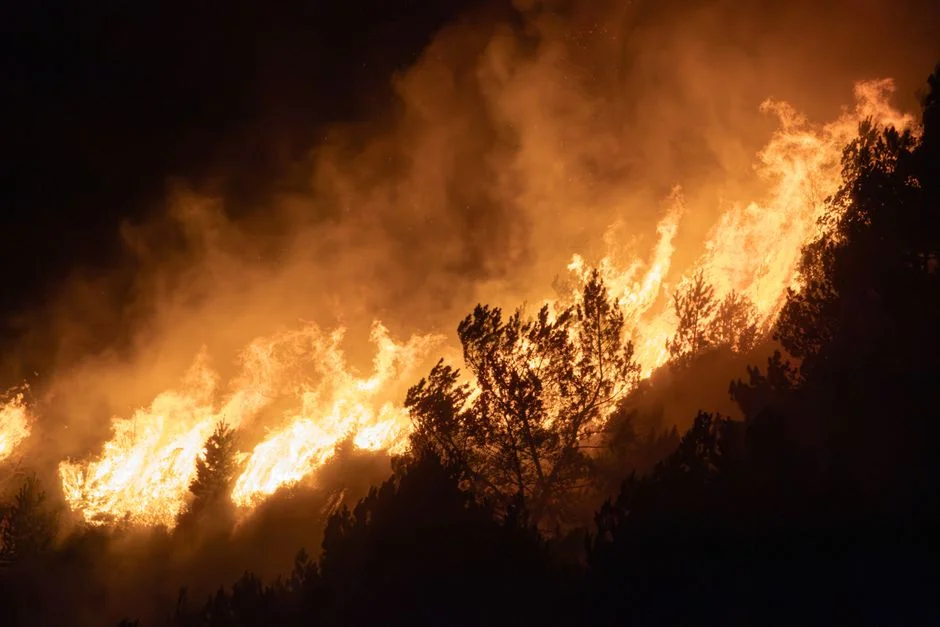
The Belgian authorities have declared a state of emergency in affected regions, deploying all available local resources. Reinforcements from neighbouring countries have provided crucial support, particularly in containing fires that local teams find challenging to manage due to their scale and intensity. Helicopters from Sweden and Norway are playing a key role in water-dropping operations, attempting to douse widespread fires.
Germany has committed to sending additional fire brigades equipped with advanced firefighting technology, further strengthening the response team. The Netherlands, with its expertise in addressing environmental crises, has dispatched fire management specialists to aid coordination efforts on the ground. The international collaboration underlines the severity of the situation and the need for a united response to natural disasters.
Humanitarian Concerns and Displacement
The evacuation process has not been without its challenges. Thousands of residents have been temporarily relocated to shelters set up by the government and non-profit organisations. However, the sudden displacement has led to concerns about the adequacy of resources and services available in these emergency shelters.
Basic amenities such as food, water, and medical supplies are reportedly under strain due to the high number of evacuees. Non-governmental organisations are working tirelessly to meet immediate needs, but there remains a significant demand for more substantial support. Public health officials have also raised alarms about the potential spread of respiratory illnesses exacerbated by smoke inhalation.
- Several towns evacuated to protect residents
- Helicopters deployed for water-dropping operations
- NGOs struggling to meet evacuee needs
Long-term Consequences and Accountability


Beyond the immediate response, the wildfires have drawn attention to broader issues of environmental management and accountability. Climate scientists have long warned of increasing wildfire risks due to climate change, and this disaster is a stark reminder of those predictions. The need for effective environmental policies and proactive wildfire prevention measures has never been more critical.
Local authorities are under pressure to not only manage the current crisis but also to investigate the root causes that may have exacerbated the situation. There is mounting public scrutiny regarding whether enough preventive measures were in place and if any lapses in regulatory oversight contributed to the severity of the wildfires.
Environmental groups in Belgium are calling for a comprehensive review of the country's land management practices. They argue that improved forest management, including controlled burns and better maintenance of firebreaks, could mitigate risks in the future. Meanwhile, the international community's swift response underscores the importance of cross-border cooperation in dealing with natural disasters.
What the Future Holds
The ongoing crisis is likely to reshape Belgium's approach to environmental policy. Increased investment in climate resilience and disaster preparedness is anticipated in the coming months. Moreover, this event may serve as a catalyst for broader European discussions on shared environmental challenges and cooperative solutions.
For now, the focus remains on extinguishing the fires and ensuring the safety of affected residents. The coming weeks will reveal more about the efficacy of the international aid received and whether additional support is required. Belgium's recovery from this disaster will be closely watched, with implications for policy changes both domestically and across Europe.
As Belgium battles these devastating wildfires, the international community's response highlights the importance of solidarity in the face of climate challenges. With the immediate threat hopefully soon under control, attention will likely shift to addressing longer-term environmental resilience and accountability.
Environmental Policy Reforms on the Horizon
The wildfire crisis in Belgium has underscored the urgent need for a reevaluation of environmental policies, not just within Belgium but across the European Union. As the flames are slowly being brought under control, policymakers are beginning to deliberate on long-term strategies to prevent similar disasters in the future. The emphasis is likely to be on enhancing climate resilience, improving forest management practices, and strengthening cross-border cooperation on environmental issues.
One significant policy shift under consideration is the implementation of more robust land management practices. Experts suggest that proactive measures such as controlled burns, the creation of firebreaks, and the regular clearing of underbrush could significantly reduce the risk of wildfires. These practices, already in use in countries like Australia and the United States, could serve as models for Belgium and its European neighbours.
Moreover, the crisis has sparked conversations around the role of climate change in exacerbating natural disasters. Scientists have long warned that rising global temperatures increase the frequency and intensity of wildfires. In response, there is a growing consensus among European leaders that more aggressive action is needed to curb carbon emissions and invest in renewable energy sources. The European Green Deal, aimed at making the EU climate-neutral by 2050, could see accelerated implementation timelines and increased funding in light of recent events.
Another area of focus is improving early warning systems and emergency response infrastructure. The current crisis has highlighted gaps in Belgium's ability to predict and respond to fast-moving wildfires. Investments in technology that can provide real-time data and predictive analytics are being considered to enhance preparedness and enable quicker, more targeted responses to future threats.
Competing Views on Climate Action
While there is broad agreement on the need for enhanced environmental policies, there are differing opinions on the best path forward. Some environmental groups advocate for immediate and stringent regulations on industries that contribute to climate change, arguing that without drastic measures, the frequency of natural disasters will only increase. They call for higher taxes on carbon emissions and greater subsidies for green technologies as a means to drive rapid change.
Conversely, some political factions and industry representatives caution against overly aggressive regulations that could impact economic growth. They argue for a balanced approach that considers both environmental sustainability and economic stability. This group advocates for gradual transitions to renewable energy sources and stresses the importance of technological innovation in reducing emissions without compromising industrial productivity.
The debate extends to the agricultural sector, where practices such as slash-and-burn and intensive farming are being scrutinised for their environmental impact. Proponents of agricultural reform suggest that sustainable farming techniques could reduce fire risks and contribute to overall climate goals. However, farmers express concerns over the financial implications of such changes and the need for government support to facilitate transitions.
Looking Ahead: Monitoring and Adaptation
As Belgium continues to grapple with the immediate aftermath of the wildfires, attention is turning to the monitoring and adaptation strategies necessary to prevent future occurrences. The government is expected to establish a task force dedicated to investigating the causes of the fire and developing a comprehensive wildfire management plan. This plan will likely include measures for improved surveillance of high-risk areas, enhanced resource allocation for firefighting units, and public education campaigns on fire safety.
The international response to Belgium's plight has set a precedent for cross-border cooperation in environmental crises. Moving forward, there is potential for the establishment of a European-wide emergency response framework, which would facilitate the rapid deployment of resources and expertise across member states in times of need.
Additionally, Belgium's experience may influence global discussions at upcoming climate conferences. As nations prepare for the next United Nations Climate Change Conference, Belgium is expected to play a vocal role in advocating for stronger international commitments to climate action. The wildfires have provided a tangible example of the urgent need for collective action and could serve as a catalyst for more ambitious global agreements.
Ultimately, the lessons learned from this crisis will be pivotal in shaping not only Belgium's environmental policies but also broader European and international strategies for addressing climate change and natural disaster preparedness. Stakeholders across sectors are now tasked with the challenge of balancing immediate recovery efforts with the implementation of long-term solutions that ensure resilience and sustainability in the face of an increasingly volatile climate.
See Also
- Blakeley Exposes Investment Illusion: Markets Face Hidden Costs
- Donald Trump Declares Weight Loss Goal Following Health Review — Markets Respond
Experts suggest that proactive measures such as controlled burns, the creation of firebreaks, and the regular clearing of underbrush could significantly reduce the risk of wildfires. This group advocates for gradual transitions to renewable energy sources and stresses the importance of technological innovation in reducing emissions without compromising industrial productivity.The debate extends to the agricultural sector, where practices such as slash-and-burn and intensive farming are being scrutinised for their environmental impact.