The United Nations has confirmed that a massive El Niño event is unfolding, poised to become the largest in at least 1,000 years. This climatic shift will inject significant additional heat into an atmosphere already burdened by global warming, setting the stage for 2027 to likely become the hottest year ever recorded.
Immediate Impacts on Displacement and Public Services
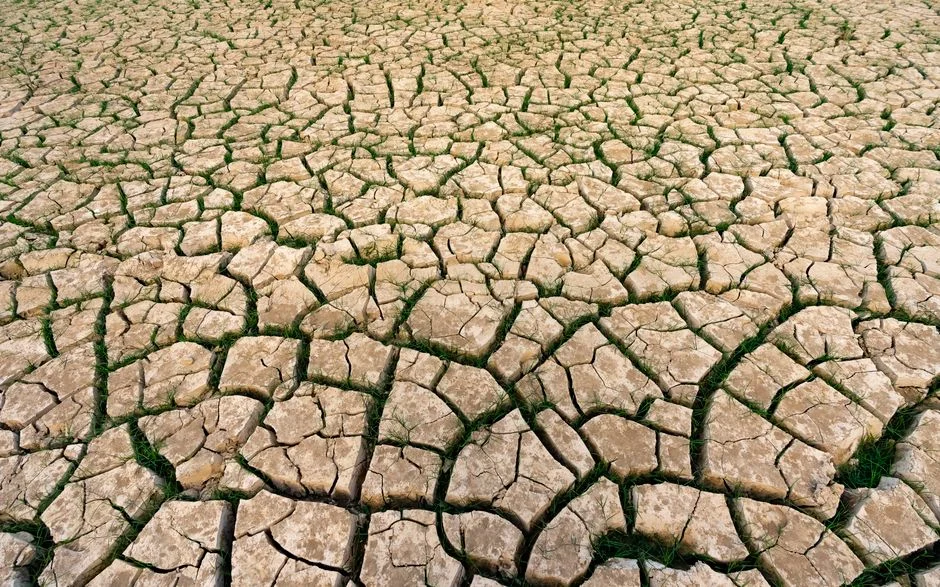
The World Meteorological Organization issued its latest forecast on Tuesday, describing the current weather pattern as "supersizing before our eyes." This is not a distant theoretical model but a present reality reshaping daily life across vulnerable regions. The scale of this event means that communities already struggling with the baseline effects of climate change will face compounded pressures on their most essential public services. Water supplies, agricultural yields, and health infrastructure are the first to buckle under such intense thermal stress.

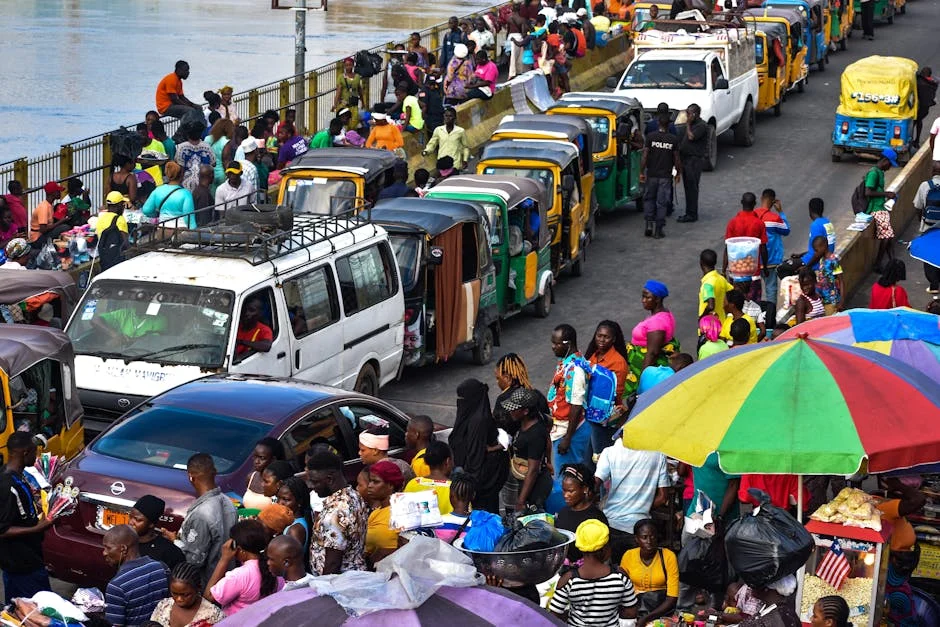
In regions like the Horn of Africa and parts of Southeast Asia, the immediate consequence of this intensified El Niño is a rapid acceleration of food insecurity. Crops that survive normal seasonal variations are failing under the new, extreme heat norms. This failure directly translates into displacement. Families who have maintained their livelihoods for generations are now forced to move, not just for work, but for survival. The strain on urban centres is immediate, as migrants arrive in cities with limited housing and already overstretched water and sanitation systems.
Health systems are facing a parallel crisis. Higher temperatures accelerate the spread of vector-borne diseases such as malaria and dengue fever. In areas where healthcare access is already precarious, this surge in illness creates a secondary displacement of people seeking treatment. Hospitals in remote districts are operating beyond capacity, with medical staff stretched thin by both the heat and the increased patient load. The availability of clean drinking water is also declining, leading to outbreaks of waterborne illnesses that further drain local health resources.
The agricultural sector, which employs a significant portion of the global population in developing nations, is witnessing widespread crop failure. Staple crops like maize and wheat are showing reduced yields due to the combined effects of drought and heat stress. This reduction in supply drives up local food prices, making it difficult for low-income households to afford basic nutrition. The result is a sharp increase in malnutrition rates, particularly among children, whose development is permanently affected by early-life undernutrition.
Education is another public service under threat. When families face food insecurity, children are often pulled out of school to help with household chores or to migrate with their parents. In many regions, schools themselves are forced to close during the hottest parts of the day to protect students from heatstroke. This disruption in education creates a long-term deficit in human capital, making it harder for these communities to adapt to future climate shocks. The loss of a school year or more has lasting economic consequences for the individuals and the broader society.
Accountability, Rights, and the Human Cost of Inaction

The UN’s warning highlights a critical accountability gap. The countries contributing least to global greenhouse gas emissions are often the first to experience the brunt of these extreme weather events. This disparity raises fundamental questions about climate justice and the rights of vulnerable populations to a stable environment. The "supersizing" of El Niño means that the burden of adaptation falls disproportionately on those with the fewest resources to cope.
Displacement is not merely a physical movement but a disruption of social fabric. When communities are forced to relocate, they lose access to traditional lands, cultural sites, and social networks that provide support. Indigenous peoples, who often rely directly on the land for their livelihoods and cultural identity, are particularly vulnerable. Their rights to land and self-determination are threatened as environmental changes make their traditional ways of life unsustainable. The loss of these cultural ties can lead to long-term social disintegration and mental health crises.
Aid delivery systems are currently ill-prepared for the scale of this event. Humanitarian agencies are struggling to scale up their operations quickly enough to meet the growing demand. The funding gaps for existing crises are widening, meaning that new disasters like this intensified El Niño receive less attention and resources. Donor fatigue is setting in, as repeated emergencies drain the capacity of aid organizations to respond effectively to new or worsening situations. This creates a cycle where vulnerable communities are left to fend for themselves during critical periods.
The right to housing is also under threat. As extreme weather events become more frequent and severe, informal settlements in coastal and low-lying areas are increasingly at risk of destruction. These communities, often lacking secure tenure, are the first to be displaced and the last to receive assistance. The lack of affordable, climate-resilient housing means that even after a disaster, many people remain in precarious conditions, vulnerable to the next shock. This chronic insecurity undermines their ability to plan for the future and invest in their own recovery.
Gender inequality is exacerbated by these environmental stresses. Women and girls often bear the brunt of resource scarcity, spending more time collecting water and fuel as these resources become scarcer. They are also more likely to experience food insecurity due to cultural norms that prioritize male nutrition. In times of crisis, girls are often the first to be pulled out of school, limiting their future economic opportunities. The social consequences of this intensified El Niño will therefore have a lasting gendered dimension, affecting the development of entire generations.
Looking Ahead: What to Watch Next
The UN’s forecast points to 2027 as the likely year for the record-breaking heat. This timeline gives governments and aid organizations a crucial window to prepare, but it also highlights the urgency of immediate action. The coming months will see the full impact of the current El Niño phase, with peak temperatures expected in the latter half of the year. Communities and aid agencies must focus on early warning systems and pre-positioned supplies to mitigate the worst effects.
International cooperation will be key to managing this global crisis. Wealthy nations, which have historically contributed the most to global warming, need to increase their financial support for adaptation and disaster response in vulnerable regions. The climate finance promised in previous agreements must be delivered promptly to ensure that countries can build resilient infrastructure and support their populations. Without this support, the human cost of this "supersizing" El Niño will continue to rise, leading to greater displacement and social unrest.
The event developments explained by the UN suggest that this is not an isolated incident but a precursor to more extreme weather patterns. The combination of El Niño and global heating is creating a new normal of higher temperatures and more frequent droughts. This trend is likely to continue, with potential impacts on global food security, migration patterns, and public health. The international community must view this as a call to action, not just for immediate relief but for long-term structural change in how we manage our relationship with the climate.
As we move towards 2027, the focus should be on building resilience from the ground up. This means investing in local communities, supporting smallholder farmers, and strengthening public health systems. It also means addressing the root causes of climate change by reducing greenhouse gas emissions. The "supersizing" of El Niño is a clear signal that the window for limiting global temperature rise is closing. The choices made in the next few years will determine the scale of displacement and hardship experienced by millions of people in the coming decades. The world must act now to ensure that no one is left behind in this escalating crisis.
See Also
- Meloni Rejects Trump Photo Claim as Italy's Diplomatic Standing Takes Centre Stage
- Tiger Brands Confirms R25m Monthly Fuel Bill — Food Prices Set to Rise
This trend is likely to continue, with potential impacts on global food security, migration patterns, and public health. Donor fatigue is setting in, as repeated emergencies drain the capacity of aid organizations to respond effectively to new or worsening situations.
What is the latest news about un warns of record el niño 2027 set to shatter temperature records?
Why does this matter for science?
What are the key facts about un warns of record el niño 2027 set to shatter temperature records?