The United Nations has officially confirmed that the world has breached the critical 1.5°C warming threshold, marking a definitive end to the original goal of the Paris Agreement. This declaration shifts the global climate struggle from preventing warming to managing a new era of intensified heat, flooding, and displacement. The confirmation arrives not as a distant forecast but as a present reality affecting millions of people right now.
The Confirmation and Immediate Human Impact
The UN report, released this week, states with high confidence that the 1.5°C limit has been crossed. This is not a prediction for the future. The planet has already experienced years where average temperatures exceeded this specific boundary. The scientific consensus is now that holding warming to 1.5°C above pre-industrial levels is no longer possible. This changes the baseline for every climate policy, aid budget, and adaptation strategy in place today.

The immediate consequence is a shift in how we measure success. Instead of aiming to cap warming at 1.5°C, the goal is now to limit how long the world stays above that line and how high the peak reaches. Every fraction of a degree matters more than before. The difference between 1.5°C and 2.0°C of warming is not just a statistical nuance. It represents millions more people facing extreme heat, severe drought, and coastal flooding. The human cost of this breach is already visible in the rising number of climate refugees and the strain on public services in vulnerable regions.
Displacement is the most direct human consequence of this breach. Communities in low-lying island nations and arid regions are finding their homes uninhabitable. The UN report highlights that the frequency of extreme weather events has increased significantly. This leads to the displacement of people who lose their livelihoods, homes, and access to clean water. The rights of these displaced persons are now under greater threat than ever. International law is struggling to keep pace with the scale of movement caused by a world that has officially passed its thermal limit.
Public services in developing nations are facing unprecedented pressure. Hospitals are overwhelmed during heatwaves and flood seasons. Schools close due to infrastructure damage or extreme temperatures. The breach of the 1.5°C target means that the burden of adaptation falls disproportionately on those who contributed least to the problem. These communities must now build resilience without the benefit of the stability that the 1.5°C target promised. The social contract is shifting. People are demanding accountability from those who kept emissions high while telling the world to cut back.
The Reality of Accelerated Warming
The science behind this confirmation is straightforward but devastating. Greenhouse gas concentrations are at their highest levels in human history. The carbon budget, which was the allowance of emissions we could burn while staying below 1.5°C, is effectively exhausted. This means that any new fossil fuel projects approved today will push the world further into uncharted territory. The timeline for peak emissions has moved closer. This accelerates the need for immediate action, not just long-term promises.
The impact on food security is already evident. Crop yields are becoming less predictable in key agricultural regions. The breach of the temperature target means that traditional growing seasons are disrupted. Farmers in Africa and Asia are seeing their crops fail more frequently. This leads to higher food prices and increased malnutrition. The social consequences of hunger are profound. They drive migration, conflict, and political instability. The breach of 1.5°C is not just an environmental issue. It is a humanitarian crisis in slow motion that has now reached a critical point.
Health systems are also under strain. Heat-related illnesses are rising globally. Vector-borne diseases are spreading to new regions as temperatures increase. The breach means that these health risks are now permanent features of the landscape. Vulnerable populations, including the elderly and those with pre-existing conditions, are at greater risk. The cost of healthcare is rising. Governments must divert funds from other essential services to manage these new health burdens. The equity gap widens as those with fewer resources suffer more.
Who Is Responsible and Who Pays
Accountability is a central theme in the aftermath of this confirmation. The countries that have historically emitted the most carbon are now facing pressure to pay for the damage. The concept of "loss and damage" has moved from a negotiation point to a practical necessity. Billions of dollars are needed to support vulnerable nations. The breach of the 1.5°C target makes these payments urgent. Without adequate funding, the most vulnerable communities will face catastrophic outcomes. The moral argument for climate justice is now backed by scientific certainty.
- The global average temperature has now exceeded 1.5°C for at least one year, confirming the breach.
- Carbon emissions continue to rise, meaning the world will likely stay above 1.5°C for decades.
- Displacement numbers are increasing as extreme weather events become more frequent and severe.
- Public services in developing nations are struggling to cope with the increased frequency of climate shocks.
Background and the Shift in Global Strategy

The Paris Agreement, signed in 2015, aimed to limit warming to well below 2°C and pursue efforts to limit it to 1.5°C. For nearly a decade, this target served as the north star for climate policy. It guided national commitments, investment decisions, and public discourse. The breach of this target means that the original goal was either too ambitious or too slow. The reality is that emissions did not fall fast enough. The confirmation forces a re-evaluation of what is possible.
The shift from prevention to adaptation is now unavoidable. Nations must invest heavily in infrastructure that can withstand higher temperatures. This includes building sea walls, improving drainage systems, and redesigning cities. The cost of adaptation is significant. It requires billions in annual spending. Developing nations, which have the least financial resources, are struggling to find this money. The breach of the 1.5°C target highlights the inequity in the global response. Rich countries must provide the funds to support those on the frontlines.
The role of private capital is also changing. Investors are realizing that the 1.5°C target is no longer a viable scenario for the near term. This means that assets tied to high emissions may become stranded. Companies must adapt their strategies to survive in a hotter world. The transition is not just about renewable energy. It is about resilience. Businesses that ignore the new reality of accelerated warming will face higher risks. The financial sector is beginning to price in these climate risks more accurately.
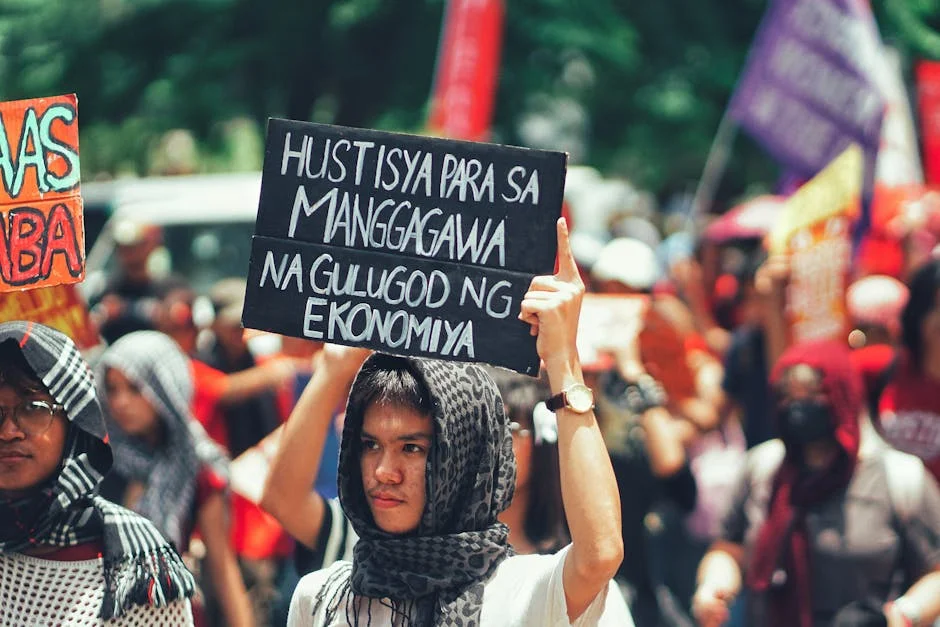
Public opinion is shifting as well. People are more aware of the consequences of climate change. The breach of the 1.5°C target has made the issue more tangible. Protests and demands for action are growing. Citizens are holding their governments accountable for failing to meet the original target. This pressure is leading to more ambitious policies in some regions. The social license for fossil fuels is eroding. The breach has accelerated the political will to act, even if the science was already clear.
Competing Views on the Future
Some scientists argue that the breach is a minor technicality. They point out that the global average temperature fluctuates. Other experts counter that the trend is undeniable. The breach is not a single event but a trend. The world is now on a trajectory that will lead to higher temperatures. The debate is no longer about whether the target is breached. It is about how to manage the consequences. The focus is now on limiting the peak and shortening the duration of overshoot.
The debate over carbon removal is intensifying. Some argue that technology will save us. Others point out that current carbon capture methods are too expensive and too slow. The breach of the 1.5°C target means that we may need to remove carbon from the atmosphere to cool the planet back down. This is a risky strategy. It depends on the success of unproven technologies. The social implications of relying on future technology are significant. Current generations may bear the brunt of the damage.
Geopolitical tensions are also rising. Access to resources like water and arable land is becoming more contested. The breach of the 1.5°C target exacerbates these tensions. Countries may compete for resources in new ways. This could lead to conflicts in vulnerable regions. The humanitarian impact of these conflicts will be significant. Aid organizations will need to respond to new crises. The global order is shifting as climate stress becomes a primary driver of instability.
The role of indigenous communities is gaining recognition. These communities have long lived in harmony with the environment. They have valuable knowledge about adaptation. The breach of the 1.5°C target highlights the importance of including their voices in policy decisions. Their rights to land and resources are often threatened by climate mitigation projects. Ensuring their participation is crucial for a just transition. The social consequences of excluding them are profound.
Broader Implications and What Comes Next
The breach of the 1.5°C target has profound implications for global governance. The UN must now coordinate a response that is both urgent and equitable. This means reforming institutions like the World Bank and the IMF to better support vulnerable nations. The existing financial architecture is not designed for a post-1.5°C world. Reform is needed to ensure that funds reach those who need them most. The social contract between nations is being rewritten.
The impact on the UK is specific and tangible. The UK has committed to net-zero emissions by 2050. The breach of the 1.5°C target means that this goal is even more critical. The UK must accelerate its domestic policies and increase its international support. The impact on UK citizens includes more extreme weather events, such as floods and heatwaves. The impact on UK aid budgets is also significant. The UK must balance its domestic needs with its international obligations. The breach makes this balance more difficult.
What explained the delay in action? The answer lies in political will and economic interests. Fossil fuel industries have lobbied against rapid change. Governments have been slow to act due to short-term electoral cycles. The breach confirms that the window for easy solutions has closed. The remaining time requires difficult choices. The social consequences of inaction are now clear. People are demanding faster and more decisive action. The pressure is on leaders to deliver.
What latest news suggests that the breach is accelerating? New data shows that emissions are still rising. The gap between current policies and the 1.5°C target is widening. This means that the next few years are critical. The decisions made in the next decade will determine the severity of future impacts. The world is now in a race against time. The breach is not a defeat. It is a call to action. The game is on, but the stakes are higher than ever.
What Readers Should Watch Next
The upcoming UN Climate Change Conference (COP) will be a key moment. Nations will present new plans for adaptation and finance. The breach of the 1.5°C target will be a central topic. Watch for commitments on loss and damage funding. These commitments will determine how well vulnerable nations can cope. The social consequences of these decisions will be felt for decades. The level of ambition in these plans will set the tone for the next decade.
Another key area to watch is the expansion of carbon markets. The breach may lead to a surge in demand for carbon credits. This could drive up prices and affect developing nations. Watch for regulations that ensure these markets are fair and transparent. The social impact of carbon markets is significant. They can provide funding for adaptation, but they can also exploit vulnerable communities. The design of these markets will determine their success.
The role of technology in adaptation is also worth monitoring. Innovations in agriculture, water management, and health are emerging. Watch for breakthroughs that can help communities cope with higher temperatures. The social impact of these technologies depends on their accessibility. If they are expensive, they will only benefit the wealthy. If they are affordable, they can transform lives. The breach of the 1.5°C target makes technology a critical tool for resilience.
Finally, watch for changes in migration patterns. The breach is already driving people to move. Watch for new policies on climate refugees. The legal framework is evolving slowly. The social consequences of migration are profound. They affect both origin and destination countries. The breach of the 1.5°C target means that migration will become a permanent feature of the global landscape. How societies respond will define the next era of human history.
The next twelve months will be critical. Nations must demonstrate that they are serious about adaptation. The breach of the 1.5°C target is a fact. The question is how we respond. The world is no longer waiting for the target to be breached. It is living in the aftermath. The time for incremental change is over. The time for transformation is now. The fate of millions depends on the actions taken in the near future. Watch for bold moves and significant investments. The game is on.
See Also
- Franco Smith Warns Glasgow Warriors Face Tough Challenge Against Connacht
- India Raises CNG Prices — Transport Costs Surge
What is the latest news about un confirms 15c target lost here is what comes next?
Why does this matter for environment?
What are the key facts about un confirms 15c target lost here is what comes next?