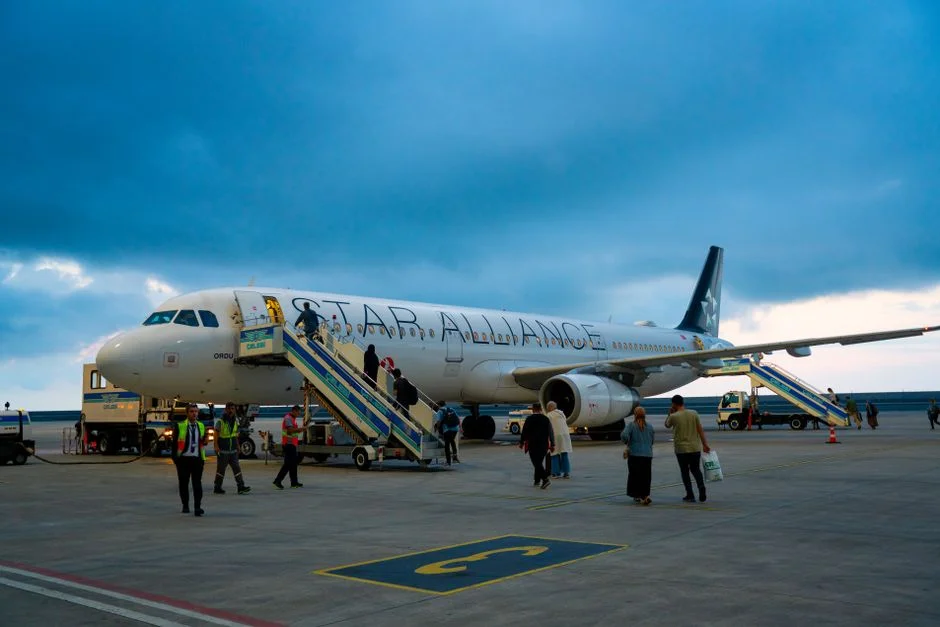
A cruise ship carrying several passengers infected with Hantavirus has arrived in the Canary Islands, triggering immediate health protocols and raising concerns for the region’s tourism-dependent economy. Three individuals were evacuated from the vessel Hondius en route to the archipelago, marking one of the most significant recent disruptions to the maritime leisure sector in southern Europe. The incident involves British travelers and has drawn attention to the intersection of public health and market stability in popular holiday destinations.
Immediate Market Reaction and Tourism Jitters
The arrival of the infected vessel has sent ripples through the local hospitality sector in Tenerife and Gran Canaria. Hotels and tour operators are monitoring passenger numbers closely, fearing a short-term dip in bookings as travelers assess the health risks. The Canary Islands rely heavily on inbound tourism, which accounts for approximately 70% of the region’s GDP, making it highly sensitive to external shocks such as disease outbreaks. Investors in the local real estate and service sectors are watching for any sudden cancellations or price adjustments in the coming weeks.

Early data suggests that while panic is not yet widespread, caution is increasing. Online travel agencies report a slight uptick in search volume for "Hantavirus Canary Islands," indicating that consumers are beginning to factor health safety into their decision-making process. This behavioral shift can lead to delayed bookings, which often result in lower occupancy rates and reduced revenue for hotel chains. The economic impact may be localized at first but could spread if the virus is perceived as endemic rather than an isolated incident.
Operational Challenges for Cruise Operators


Cruise lines face immediate operational hurdles, including quarantine measures, deep cleaning protocols, and potential itinerary changes. The Hondius, operated by Holland America Line, must undergo rigorous sanitation to reassure future passengers. These measures incur direct costs, from labor to specialized disinfectants, which can erode profit margins on individual voyages. Furthermore, the need to coordinate with local health authorities in the Canary Islands adds administrative complexity and potential delays.
Financial Implications for Shipping Companies
For cruise operators, the financial implications extend beyond immediate cleaning costs. Insurance premiums may rise for vessels operating in regions with known rodent populations, as Hantavirus is often transmitted via rodent droppings and urine. Shareholders in major cruise conglomerates are likely to scrutinize the efficiency of health management systems on board. Any recurrence of similar incidents could lead to a re-evaluation of route planning, potentially favoring ports with more robust health infrastructure or lower epidemiological risk. This could shift competitive dynamics within the Mediterranean and Atlantic cruise markets.
Health Protocols and Public Confidence
Public health officials in the Canary Islands have implemented strict screening procedures for passengers disembarking from the affected ship. These measures include temperature checks and symptom monitoring, aimed at containing the spread and maintaining public confidence. The effectiveness of these protocols is crucial; if the virus spreads to local residents or other tourists, the economic damage could be severe. Trust in the destination’s health safety is a key driver of tourist arrivals, and any breach of this trust can have long-lasting effects on brand perception.
The involvement of British travelers adds a layer of complexity, as the UK is one of the largest source markets for Canary Islands tourism. British tourists account for a significant portion of winter visitors, and their perception of safety directly influences seasonal revenue. If British travel advisories are updated or if media coverage intensifies, the impact on UK-based tour operators and airlines could be noticeable. Companies like TUI and British Airways may need to adjust their marketing strategies to address health concerns explicitly.
Broader Economic Context and Historical Precedents
The Hantavirus outbreak must be viewed within the broader context of global health risks facing the tourism industry. Previous outbreaks, such as the SARS epidemic or the Zika virus, have demonstrated how quickly health fears can translate into economic downturns in tourism-heavy regions. The Canary Islands have shown resilience in past crises, but the current global economic climate, characterized by inflation and fluctuating currency values, makes the sector more vulnerable. A health shock can exacerbate existing financial pressures on small and medium-sized enterprises (SMEs) in the hospitality industry.
Historical data indicates that recovery from health-related tourism dips can take months or even years, depending on the severity of the outbreak and the effectiveness of communication strategies. The Canary Islands government is likely to leverage this historical context to implement targeted marketing campaigns and financial incentives to attract visitors. These efforts are essential to stabilize the local economy and prevent a prolonged slump in tourist arrivals. The speed of recovery will depend on how well stakeholders coordinate their response and manage public perception.
Investor Perspective and Risk Assessment
Investors in the Canary Islands tourism sector are reassessing risk factors associated with health outbreaks. The Hantavirus incident highlights the need for diversified revenue streams and robust health management systems. Companies that can demonstrate strong hygiene standards and transparent communication are likely to retain investor confidence. Conversely, operators that appear slow to react or opaque in their reporting may face increased scrutiny and potential capital flight. This dynamic encourages a more proactive approach to health risk management across the industry.
The financial markets are also watching for any broader implications for the cruise industry. If the Hantavirus outbreak leads to a series of evacuations or extended quarantines, it could trigger a re-pricing of cruise stocks. Analysts are evaluating the resilience of different cruise lines and their ability to adapt to changing health landscapes. This assessment is critical for long-term investment strategies in the leisure and hospitality sectors. Investors are looking for signs of structural changes in consumer behavior and operational efficiencies.
Future Outlook and Key Indicators
The situation will evolve over the coming weeks, with key indicators including the number of confirmed cases, the duration of quarantine measures, and the response of local businesses. The Canary Islands government is expected to release detailed health reports and economic impact assessments to guide stakeholders. These reports will provide valuable insights into the effectiveness of current protocols and the potential need for additional interventions. Monitoring these developments is essential for businesses and investors to make informed decisions.
Travelers are advised to stay informed about health advisories and consider travel insurance that covers health-related disruptions. The tourism industry must remain agile, ready to adjust marketing and operational strategies based on real-time data. The next few weeks will be critical in determining whether this incident becomes a temporary blip or a more significant challenge for the Canary Islands economy. Stakeholders should watch for updates from the Spanish Ministry of Health and local tourism boards for the latest guidance and economic forecasts.
See Also
- Vijay's TVK Coalition Move Shakes Tamil Nadu Markets
- UN Fossil Fuel Talks Stall as Colombia Pushes for Historic Phase-Out