A confirmed hantavirus outbreak on an Atlantic cruise ship has sent shockwaves through the global travel sector, triggering immediate concerns about passenger confidence and operational continuity. The incident marks one of the first major health scares for the maritime industry since the post-pandemic rebound, forcing operators to confront the fragility of their revenue models. Investors are already pricing in potential disruptions, with share prices of major cruise lines showing volatility as the scale of the infection becomes clear.
Market Reaction to the Maritime Health Scare
Financial markets reacted swiftly to the news, with the cruise industry segment experiencing a sharp correction. Analysts point out that the cruise sector operates on thin margins and high fixed costs, meaning any interruption in bookings can quickly erode profitability. The uncertainty surrounding the duration of the quarantine and the potential for secondary outbreaks has led to a flight to quality among investors.
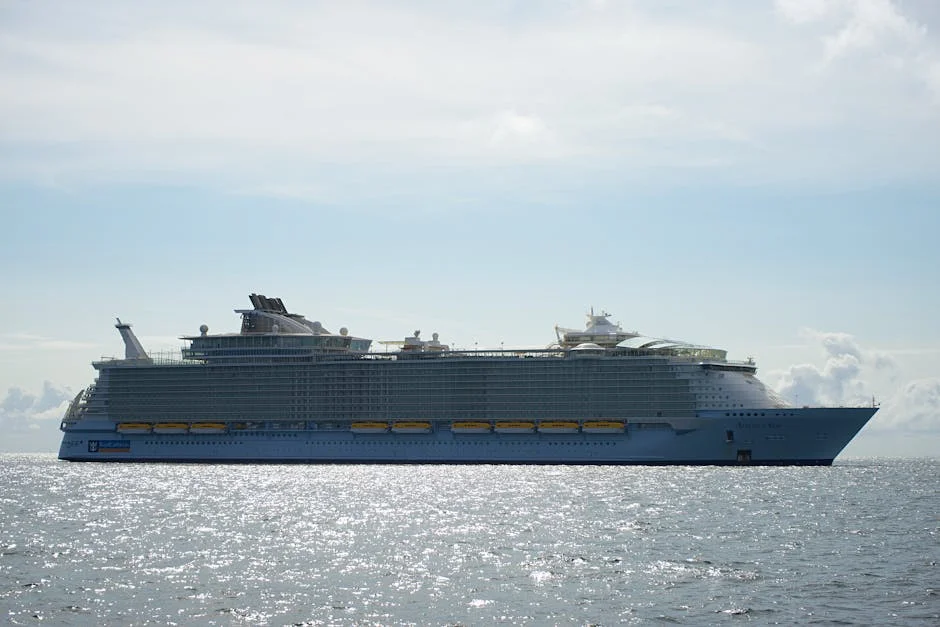
The impact extends beyond the immediate operator, affecting suppliers, port authorities, and insurance underwriters. Insurance premiums for maritime health coverage are expected to rise as underwriters reassess the risk profile of large-scale passenger vessels. This financial pressure could force smaller operators to consolidate or seek new capital injections to weather the storm.
Economic Implications for the Tourism Sector
The broader tourism economy is also feeling the heat. Hotels, airlines, and ground transportation providers in popular Atlantic destinations are bracing for a potential dip in occupancy rates. The psychological impact of a health scare often lingers longer than the actual outbreak, leading to delayed booking decisions and increased price sensitivity among consumers. This could result in a temporary slowdown in the recovery trajectory for the global tourism industry.
Businesses reliant on cruise tourism, such as local restaurants and tour operators, face immediate revenue uncertainty. The ripple effect demonstrates how interconnected the travel ecosystem is, where a single incident on a ship can disrupt supply chains and service providers across multiple countries. Economic data from recent quarters suggests that consumer confidence in travel is still recovering, making it vulnerable to new shocks.
Operational Disruptions and Cost Pressures


The cruise operator is facing significant operational hurdles as they manage the outbreak. Quarantine measures require the ship to dock at a specific port, incurring demurrage costs and disrupting the scheduled itinerary for subsequent voyages. These logistical challenges translate directly into financial losses, as the ship is essentially out of commission while generating revenue.
Crew management is another critical issue. With dozens of passengers and crew members affected, the operator must coordinate medical evacuations, testing, and isolation procedures. This requires close collaboration with health authorities and medical facilities along the route, adding complexity and cost to the response. The efficiency of this response will be closely watched by competitors and investors alike.
The financial burden is compounded by the need for deep cleaning and sanitization of the vessel. This process is labor-intensive and requires specialized equipment and personnel, further increasing the downtime. Operators must balance the speed of turnaround with the thoroughness of the cleaning to reassure future passengers, a decision that directly impacts the bottom line.
Investor Perspective on Cruise Industry Resilience
Investors are re-evaluating the resilience of the cruise industry in the face of health crises. The hantavirus outbreak highlights the inherent risks of concentrating large numbers of people in a confined space, a factor that was previously mitigated by the dominance of the COVID-19 narrative. This new variable adds a layer of complexity to the risk assessment models used by portfolio managers.
Shareholders are looking for clear communication and decisive action from the cruise operator's management team. Transparency regarding the number of cases, the source of the infection, and the steps taken to contain the spread is crucial for maintaining investor confidence. Any perceived hesitation or lack of clarity could lead to a further sell-off in the stock price.
The long-term implications for the industry depend on how effectively operators adapt their health and safety protocols. Those that invest in advanced air filtration systems, enhanced testing regimes, and flexible booking policies may emerge stronger from the crisis. Conversely, operators that are slow to adapt may face sustained pressure on their valuations.
Impact on Passenger Confidence and Booking Trends
Passenger confidence is a critical asset for the cruise industry, and the hantavirus outbreak threatens to erode it. Travelers are increasingly health-conscious, and the prospect of contracting a virus on a cruise ship is a significant deterrent. This could lead to a shift in booking patterns, with more passengers opting for shorter cruises or smaller vessels.
The marketing departments of major cruise lines are working overtime to reassure potential customers. Emphasizing the rarity of hantavirus on ships and highlighting the rigorous health measures in place is a key strategy. However, the effectiveness of these efforts will depend on the perceived severity of the outbreak and the speed of the resolution.
Booking data from the past week shows a tentative dip in inquiries for Atlantic routes, suggesting that the market is reacting to the news. This early signal indicates that the impact on revenue could be more pronounced than initially anticipated, particularly for operators with a heavy presence in the affected region. The industry must act quickly to stem the bleeding.
Regulatory Response and Health Protocols
Health authorities are closely monitoring the situation and may introduce new regulations for cruise ships. The Centers for Disease Control and Prevention (CDC) has the power to issue health advisories that can significantly influence passenger behavior. A formal advisory could lead to mandatory testing or vaccination requirements for passengers and crew, adding to the operational complexity.
The European Maritime Safety Agency (EMSA) is also reviewing its guidelines for health emergencies on board. This could lead to standardized protocols for handling infectious disease outbreaks, which would benefit the industry by creating a level playing field. However, the initial implementation costs could be high for operators, particularly smaller ones.
Regulatory scrutiny is likely to increase in the coming months, with inspectors paying closer attention to health and safety measures. This could lead to more frequent inspections and a higher frequency of citations, further increasing the regulatory burden on the industry. Operators must be prepared for a more rigorous regulatory environment.
Future Outlook and Industry Adaptation
The cruise industry is at a crossroads, forced to adapt to a new reality where health risks are a constant concern. The hantavirus outbreak serves as a wake-up call, highlighting the need for greater resilience and flexibility in operations. Companies that invest in technology and process improvements will be better positioned to handle future shocks.
Innovation in health monitoring and data analytics could play a key role in the industry's recovery. Real-time tracking of passenger health and environmental conditions on board can help detect outbreaks earlier and contain them more effectively. This data-driven approach can also provide valuable insights for marketing and customer service, enhancing the overall passenger experience.
The industry must also focus on building stronger relationships with health authorities and local communities. Collaborative efforts can lead to more efficient response mechanisms and greater public trust. This holistic approach to health and safety will be essential for sustaining long-term growth and profitability.
Investors and stakeholders should watch for the release of the official health report from the CDC and the subsequent announcement of new industry-wide protocols. The timing and content of these updates will provide critical signals about the direction of the market. The next quarter's earnings reports will also be closely scrutinized for signs of financial stress or resilience among major operators.
See Also
- Congo Battles Ebola Outbreak — Economic Risks Grow for Local Businesses
- Tiger Brands Confirms R25m Monthly Fuel Bill — Food Prices Set to Rise
Impact on Passenger Confidence and Booking Trends Passenger confidence is a critical asset for the cruise industry, and the hantavirus outbreak threatens to erode it. Emphasizing the rarity of hantavirus on ships and highlighting the rigorous health measures in place is a key strategy.